
Plants
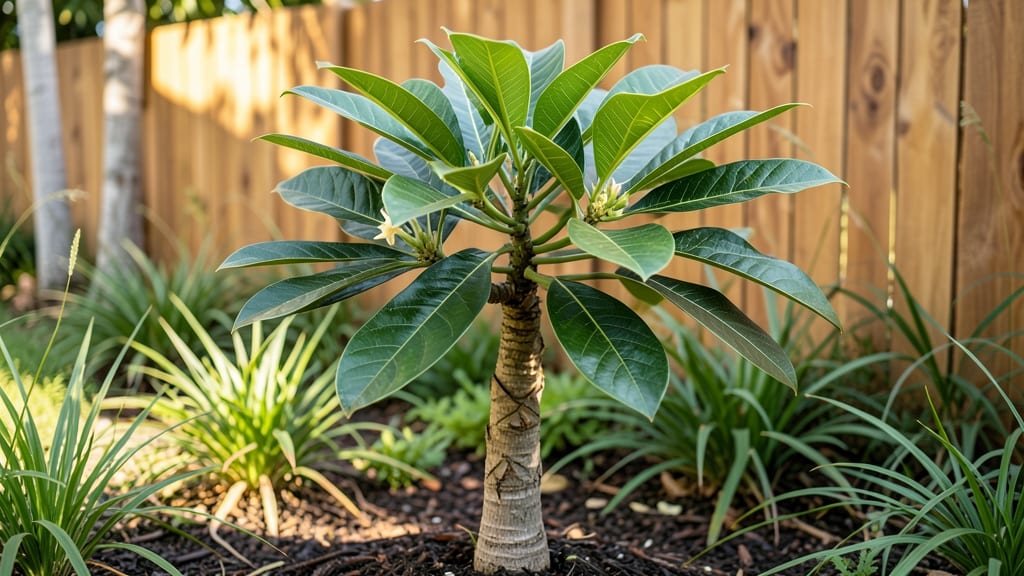
A money tree plant can grow anywhere from 3 to 10 feet tall, depending on its variety and care—so yes, it might outgrow your living room ceiling if you’re not careful.
If you’ve ever admired a lush money tree (Pachira aquatica) and wondered whether it’ll tower over your ceiling—or stay compact on your shelf—you’re not alone. This fast-growing houseplant thrives with the right conditions, but its height is far from set in stone.
For example, a standard money tree can reach 6 to 10 feet indoors, while dwarf varieties stay under 3 feet. The key to controlling its size lies in pruning, light exposure, and even how you train its branches—without sacrificing its health.
Below, I’ll break down how to keep your money tree at your ideal height, from variety selection to growth hacks that work for any space—whether you want a tabletop statement or a ceiling-height showstopper.


Money tree height by variety: from dwarf to towering giants
The money tree (Pachira aquatica) is famous for its striking foliage and symbolic appeal, but its height can vary dramatically depending on the variety you choose. If you're working with limited ceiling space, a dwarf variety might be your best bet.
For those with high ceilings or outdoor spaces, standard varieties can grow into impressive trees. Understanding these differences helps you plan your space and care routine effectively.
Most money trees grow 1-2 feet per year under ideal conditions, but their mature size depends entirely on the variety. Some stay under 3 feet, while others can reach ceiling heights or beyond.
The key factors influencing height are genetics, pruning habits, and light exposure. Let’s explore the most popular varieties and their growth potential to help you make an informed choice.
⚠️ Comparison Table: Money Tree Varieties by Height
| Variety | Mature Height Range | Growth Rate (Per Year) | Space Requirements | Best For |
|---|---|---|---|---|
| Dwarf Money Tree | 3–6 feet | 1–1.5 feet | Small shelves, desks, or tables | Apartments, offices, or compact spaces |
| Braided Money Tree | 6–10 feet (indoors), 12+ feet (outdoors) | 2–3 feet | Large rooms, foyers, or outdoor patios | Statement plants, high ceilings, or tropical gardens |
| Standard Money Tree | 6–10 feet | 1.5–2.5 feet | Medium to large rooms, hallways | Home decor, indoor jungles, or green walls |
| Pachira 'Money Tree' (Outdoor) | 10–20 feet (small tree) | 3–5 feet | Yards, large containers, or tropical landscapes | Outdoor gardens, privacy screens, or shade trees |
| Variegated Money Tree | 5–8 feet | 1.5–2 feet | Bright spaces with indirect light | Decorative displays, high-contrast interiors |
The dwarf money tree is perfect if you’re limited to small spaces like shelves or desks. These varieties rarely exceed 6 feet and grow at a slower pace, making them ideal for beginners or those who prefer low-maintenance plants.
Their compact size also means they require less frequent pruning, which is a bonus for busy plant parents.
For those who love a dramatic focal point, the braided money tree is a showstopper. Its iconic braided trunk adds visual interest, but its height can be challenging in standard homes.
If you’re considering this variety, measure your ceiling height first—10 feet is common indoors, and outdoor specimens can easily reach 12+ feet. Without pruning, these trees can grow aggressively.
If you’re torn between a standard money tree and a braided version, consider your lighting conditions. Both varieties thrive in bright, indirect light, but the standard type is slightly more forgiving if your space lacks ideal lighting.
Standard money trees also grow slightly slower than braided varieties, making them easier to manage for height control.
Outdoor money trees are a hidden gem for gardeners in USDA zones 10–12 or warmer climates. When planted in the ground, they can grow into small trees (10–20 feet), offering shade and tropical beauty.
If you’re growing one outdoors, plan for its mature size—these trees need ample space to spread their roots and branches. Container-grown outdoor money trees can still reach 6–10 feet but require larger pots and regular pruning to control height.
The variegated money tree is a stunning alternative if you love unique foliage. Its leaves feature creamy yellow or white streaks, adding a modern touch to any room.
While its height range overlaps with standard varieties (5–8 feet), its slower growth rate and striking appearance make it a favorite for interior designers. Just be aware that variegated plants often need slightly more light to maintain their coloration.
No matter which variety you choose, remember that pruning is your best tool for height control. Regular trimming encourages bushier growth and prevents your money
How to control money tree height: pruning and growth hacks
Keeping your money tree (Pachira aquatica) at your desired height is easier than you think! With the right pruning techniques and growth hacks, you can shape this tropical beauty to fit any space—whether you want a compact tabletop plant or a statement piece.
The key lies in understanding when and how to trim while encouraging healthy growth patterns.
Your money tree’s height depends on its variety and care routine. Standard varieties can grow 6-10 feet tall indoors, while dwarf types stay under 3 feet. By mastering pruning and creative shaping methods, you can control its growth trajectory without harming the plant.
Let’s dive into the step-by-step process to keep your money tree at the perfect height!
Step-by-Step Pruning Guide
- 1 Choose the right time: Prune during spring or early summer when the plant is actively growing. Avoid trimming in fall or winter when growth slows.
- 2 Use clean tools: Sterilize your pruning shears with rubbing alcohol to prevent disease. Make cuts at a 45-degree angle just above a leaf node.
- 3 Trim for shape: Remove overgrown branches to encourage bushier growth. Cut back 1/3 of the stem to promote fuller foliage.
- 4 Encourage braiding: For braided money trees, trim evenly spaced branches and weave them together while young. Secure with soft plant ties.
- 5 Repot for control: Move to a smaller pot to restrict root growth, which slows height increase. Use well-draining soil to prevent root rot.
- 6 Fertilize lightly: Use a balanced fertilizer (10-10-10) every 6-8 weeks in spring/summer. Over-fertilizing can cause rapid, unchecked growth.
For a bonsai-style money tree, prune aggressively every 2-3 months and use wire shaping to guide growth. Always leave at least 3-4 leaves per branch to maintain photosynthesis. With patience, you’ll achieve a stunning miniature version of this tropical tree!
Light exposure plays a crucial role too. Place your money tree near an east or west-facing window for bright indirect light. Too little light leads to leggy growth, while too much direct sun can scorch leaves. Rotate the pot quarter-turns monthly for even growth.
Remember, your money tree thrives on consistency. Whether you’re pruning for height control or shaping it into a work of art, always prioritize plant health over aesthetics. With these techniques, you’ll enjoy a lush, manageable money tree for years to come! 🌿