
Planting
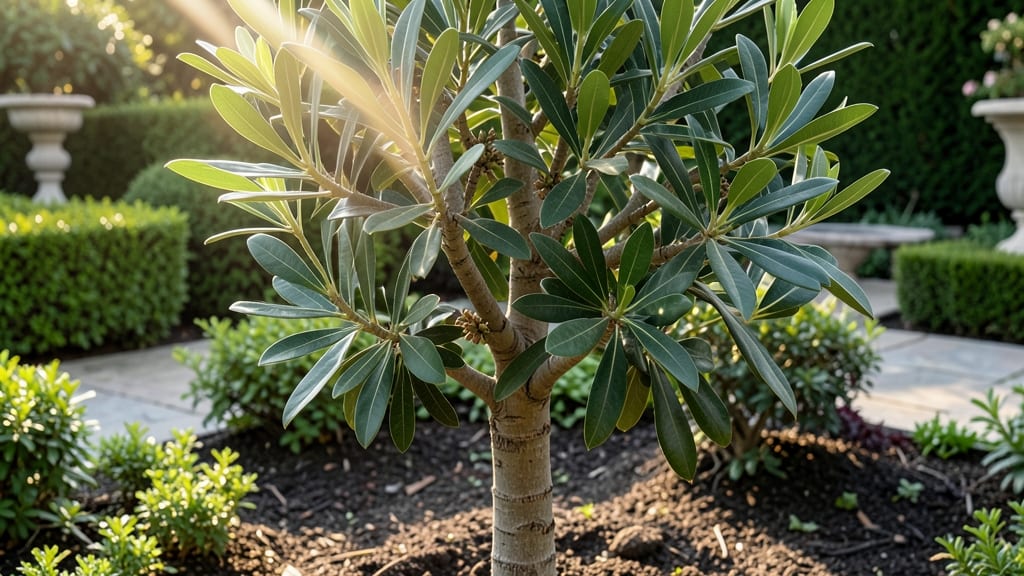
Can an avocado tree grow in Ohio? Yes, but only as container-grown plants or in greenhouses, since Ohio’s USDA zones (5-6) are too cold for outdoor cultivation. Cold-hardy Mexican varieties like ‘Mexicola’ may survive brief exposure to freezing temps, but most avocados require tropical climates (zones 10-11).
Ohio’s chilly winters make outdoor avocado cultivation nearly impossible, as most varieties need consistent temperatures above 28°F. 🌱 However, with the right care—like moving potted plants indoors during winter or maintaining a greenhouse—you can still grow these trees.
The key is selecting cold-tolerant Mexican strains and providing proper humidity, which mimics their native tropical environments. Many gardeners in Ohio successfully keep avocado trees alive for years using these methods, though fruiting remains challenging without ideal conditions.
For container growing, choose a large pot with drainage and use a well-draining soil mix. 💫 In greenhouses, maintain temperatures above 50°F at night and provide bright, indirect light. Pruning in late winter helps manage size and encourages new growth, but expect slower development compared to tropical climates.
💡 In This Article
- USDA Zones and Avocado Tree Survival in Ohio’s Climate
- Growing Avocados in Ohio: Greenhouse and Container Solutions
USDA zones and avocado tree survival in Ohio’s climate
Avocado trees originate from tropical climates where temperatures rarely drop below 28°F, making Ohio’s USDA zones (5-6) a major challenge. 🌡️ The critical threshold is 28-30°F—any colder, and the tree’s leaves and branches will suffer frost damage, while roots can die at 20°F.
Ohio’s winters frequently dip below these levels, especially in inland areas where hard freezes are common. Even coastal California’s avocado-growing regions (zones 9-11) see milder winters than most of Ohio, with rare dips below 25°F.
The problem extends beyond average temperatures—Ohio’s climate includes rapid temperature swings and high humidity fluctuations. Avocados thrive in stable, warm environments with 60-80% humidity, while Ohio’s summers can exceed 90% humidity and winters drop below 30%.
This inconsistency stresses the tree’s physiology, leading to leaf drop or fungal infections. In contrast, tropical avocado habitats maintain 75-85% humidity year-round with minimal temperature variation.
Microclimates can offer slight relief in Ohio. 🌿 Urban areas with heat islands (like Columbus or Cincinnati) may experience 5-10°F warmer nights than rural zones, but these differences are rarely enough to support outdoor avocado growth.
Greenhouses or sunrooms can create controlled microclimates, but they require heating systems to maintain 50°F+ nighttime temps—a significant investment for home gardeners.
Root systems are particularly vulnerable. Avocado roots are shallow and sensitive to cold soil, which is common in Ohio’s zone 5-6 regions where ground temperatures can drop to 15°F during winter. Even container-grown trees need insulated pots and protective wraps to prevent root freeze damage.
The contrast with Florida’s avocado-growing regions (zones 10-11) is stark—there, soil temperatures rarely fall below 60°F, providing ideal conditions for root development.
Cold-hardy Mexican varieties like ‘Mexicola’ can tolerate brief exposure to 25°F, but their growth rate slows dramatically in Ohio’s climate. 🌱 These varieties evolved in higher elevations of Mexico where nights are cooler, but they still require 6-8 hours of sunlight daily—a challenge in Ohio’s shorter winter days.
Without supplemental lighting or a greenhouse, photosynthesis becomes inefficient, stunting growth and reducing fruiting potential.
For comparison, California’s Hass avocado (the most common variety) cannot survive Ohio’s winters at all—its leaves blacken at 28°F, and recovery is unlikely. The ‘Mexicola’ variety’s resilience comes from its genetic adaptation to cooler highland climates, but even it struggles with Ohio’s 100+ days below freezing annually.
This explains why outdoor avocado cultivation is nearly impossible in Ohio without year-round protection.