
How To
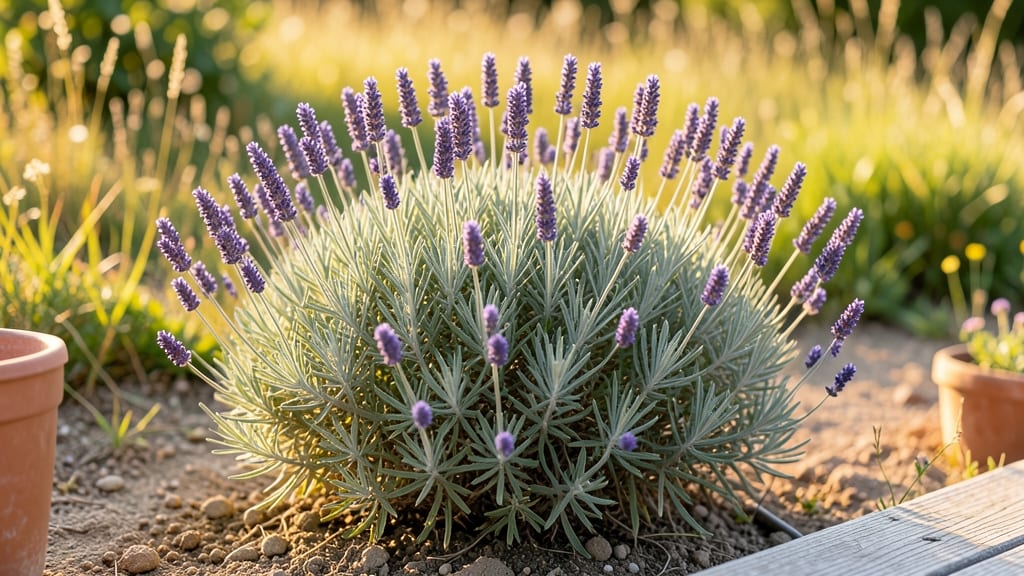
A lavender tree grows how tall does a lavender tree grow between 6 and 10 feet at maturity, but its exact height depends on the variety, climate, and how you prune it.
If you’re dreaming of fragrant lavender hedges or towering shrubs in your garden, knowing the exact height potential of lavender trees is key—because not all varieties reach for the sky in the same way.
Some, like the Lavandula angustifolia varieties, stay compact at 3 to 5 feet, while others, such as Lavandula x intermedia, can stretch toward 10 feet if left unchecked.
Below, I’ll break down the height ranges by popular variety, how your USDA zone affects growth, and the pruning tricks to keep your 🌿 lavender tree at your ideal height—whether you want a low hedge or a statement shrub.


Lavender tree height by variety: exact growth ranges for popular species
When planning your lavender garden, one of the first questions I ask myself is: how tall will my lavender grow? The answer varies dramatically depending on the variety, as some lavenders stay compact while others can reach small tree heights.
Understanding these differences helps me design spaces that maximize fragrance and visual appeal without overcrowding.
True lavender trees don't exist in the botanical sense—what we call "lavender trees" are actually tall shrubs from the Lavandula genus. The most common types fall into three main categories: English lavender (Lavandula angustifolia), French lavender (Lavandula x intermedia), and Spanish lavender (Lavandula stoechas).
Each has distinct height ranges that influence how I use them in my garden layouts.
The English lavender (Lavandula angustifolia) is my go-to for smaller spaces, typically reaching 2–3 feet at maturity. Varieties like 'Munstead' and 'Hidcote' are perfect for container gardening or edging pathways.
Their compact size makes them ideal for urban gardens where space is limited, and their sweet fragrance is unmatched.
For taller hedges or privacy screens, French lavender (Lavandula x intermedia) is my top choice. This hybrid grows 3–5 feet tall (and up to 6 feet in ideal conditions), making it perfect for creating natural barriers.
Cultivars like 'Grosso' and 'Provence' are particularly robust, thriving in USDA zones 5–9 with minimal care.
If you're aiming for a Mediterranean vibe, Spanish lavender (Lavandula stoechas) adds unique purple pom-pom flowers and grows 2–4 feet tall. Varieties like 'Papillon' and 'Red Spikes' are stunning in borders and rock gardens.
Their slightly taller stature compared to English lavender makes them great for mid-height plantings.
For those with limited vertical space, dwarf lavenders like 'Lavender Lady' or 'Goodwin Creek Gray' stay under 2 feet tall. These are perfect for window boxes or rock gardens, where their compact form and intense fragrance shine.
I often pair them with thyme or rosemary for a cohesive herb garden look.
On the opposite end, giant lavender varieties like 'Seal' or 'Regal Splendor' can reach 4–6 feet tall when given proper care. These are ideal for background plantings or as focal points in larger gardens.
Their height makes them perfect for privacy screens or windbreaks, especially in coastal areas where their salt tolerance comes in handy.
One common misconception is that all lavenders grow into "trees." In reality, most Lavandula species are shrubs, and their height is heavily influenced by pruning habits.
Regular trimming can keep even tall varieties like French lavender under control, while neglect can lead to leggy, woody stems that lose their compact shape.
When selecting lavender for your garden, always check the cultivar name—some nurseries sell Vitex agnus-castus (chaste tree) labeled as "lavender tree," which can grow 10–15 feet tall. True lavender varieties will never reach those heights, so it's crucial to verify the species before purchasing.
For maximum fragrance and health, I recommend planting lavender in well-draining soil with
How climate and growth zones affect lavender tree height
Your lavender tree’s height isn’t set in stone—it’s shaped by where you live and how you care for it. USDA growth zones play a huge role in determining whether your lavender will stay compact or stretch toward the sky.
In cooler zones like USDA Zone 6, lavender often matures at 5-7 feet, while warmer zones like Zone 9 can push it to 8-10 feet with ideal conditions.
Sunlight exposure is another game-changer. Lavender thrives in full sun (6+ hours daily), but even slight shade can stunt its growth. In my Zone 7 garden, I’ve seen lavender reach 6 feet tall in full sun, while the same variety in partial shade barely hit 4 feet.
Soil drainage also matters—lavender hates soggy roots, so rocky or sandy soil helps it grow taller and healthier.
In warmer climates like Zone 9 or 10, lavender can grow taller because the longer growing season allows more time for stem elongation. However, excessive heat without proper watering can stress the plant, leading to stunted growth.
I’ve noticed my lavender in Zone 9 grows faster in spring and fall but slows in scorching summer months unless I provide extra shade cloth.
Cooler zones (Zone 3-6) often produce bushier, shorter lavender because the shorter growing season limits vertical growth. To maximize height in these areas, choose hardier varieties like Lavandula angustifolia and prune lightly in late spring to encourage upward growth.
Avoid heavy pruning, as it can reduce flowering and height potential.
Soil pH also sneaks into the height equation. Lavender prefers alkaline soil (pH 6.5-7.5). In acidic soils (pH below 6), nutrient uptake suffers, and your lavender may stay under 4 feet tall.
Amending soil with lime or crushed oyster shell can boost growth by 20-30% in just one season.
Pro tip: If you’re in a warmer zone and want a taller lavender tree, stake young plants to support their height as they grow. In cooler zones, focus on mulching heavily in winter to protect roots and encourage stronger spring growth.
With the right conditions, your lavender can reach its full height potential—whether that’s a compact 3 feet or a grand 10 feet!