
How To
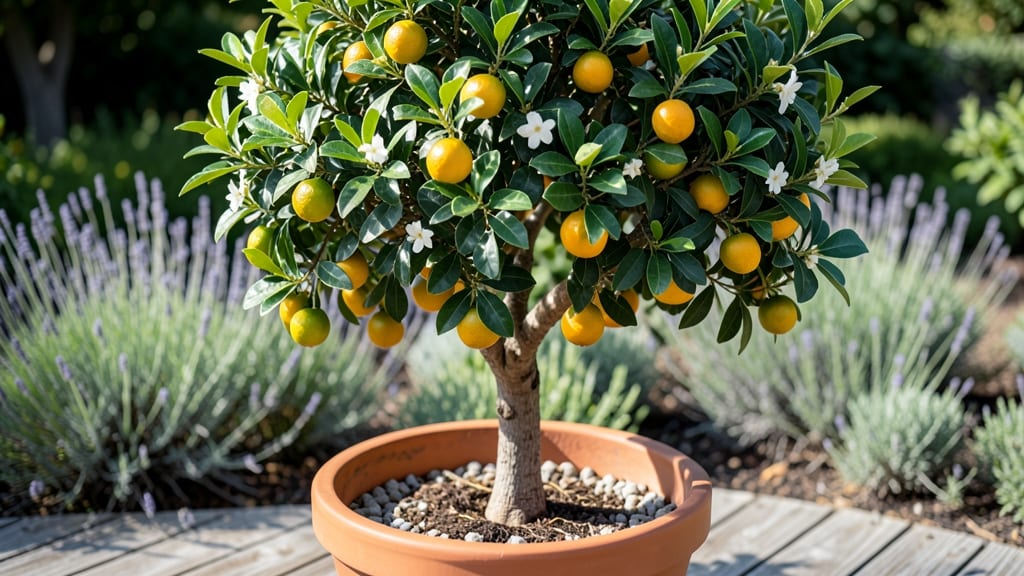
A kumquat tree can grow anywhere from 4 feet to over 12 feet tall, depending on the variety and how you care for it—making it a flexible choice for both small gardens and larger landscapes.
If you're dreaming of growing kumquats but worried about space, you'll be relieved to know these citrus gems thrive in compact forms—some even staying under 6 feet tall. But how tall exactly can a kumquat tree grow, and which varieties fit perfectly in small gardens or containers?
Standard kumquat trees, like the popular Meiwa variety, typically reach 8 to 12 feet at maturity, while dwarf varieties can stay as short as 4 to 6 feet. The key to controlling their height lies in pruning, container training, and choosing the right variety for your space.
Below, I’ll break down the height ranges by variety, how to keep your kumquat tree compact, and which small-space options are best for containers or urban gardens—so you can enjoy fresh, tangy-sweet fruit without sacrificing your yard.


Kumquat tree height by variety: small vs tall growing habits
Choosing the right kumquat variety depends entirely on your space—whether you have a sprawling backyard or just a sunny balcony. While standard kumquat trees can reach 8-12 feet tall, many dwarf varieties stay under 6 feet, making them perfect for containers.
The key difference lies in the rootstock used during grafting, which directly impacts growth rate and mature height.
For example, Meiwa kumquats (the most popular variety) typically grow 6-10 feet tall when planted in the ground, but when grafted onto dwarfing rootstock, they remain between 4-6 feet.
This size difference isn't just about aesthetics—it also affects fruit production, pruning needs, and even winter hardiness. Let's break down the height variations by variety so you can pick the perfect fit for your garden.
📊 Comparison Table: Kumquat Tree Heights by Variety
The Centennial kumquat is my top recommendation for small spaces—it matures in just 2-3 years and stays under 4 feet tall, making it ideal for 5-gallon containers. Meanwhile, Nagami kumquats are better suited for larger gardens or orchards, where their 8-12 foot height creates a stunning citrus hedge.
Remember, these heights assume proper pruning and optimal growing conditions—neglecting maintenance can lead to overgrowth.
Climate plays a huge role in height control too. In warmer USDA zones (9b-11), kumquats grow faster and reach mature heights quicker than in cooler zones (8a), where growth slows significantly.
If you're in a milder zone, you can expect 1-2 feet more growth per year compared to cooler climates. Always choose a variety that matches your local frost risk—some dwarf varieties struggle in zones below 8a.
Another factor? Container size directly limits height. A 15-gallon pot will keep a dwarf Meiwa under 5 feet, while a 30-gallon container allows it to reach 6-7 feet. Root-bound trees grow slower but produce smaller fruit, so upgrade pots every 2-3 years to encourage healthy growth.
For in-ground planting, space trees 8-10 feet apart to prevent overcrowding and competition for nutrients.
Pruning isn't just about height control—it's also about fruit quality. Regular pruning in late winter encourages bushier growth and more sunlight penetration, which improves fruit sweetness. Use sharp bypass pruners to make clean cuts just above a leaf node, and always ster
How to keep kumquat trees compact: pruning and training tips
Kumquat trees naturally grow between 6 to 12 feet tall, but with the right techniques, you can easily keep them under 6 feet—perfect for patios, balconies, or small yards. The key lies in pruning and training during their early growth stages, when branches are most responsive.
I’ve found that dwarf varieties like 'Centennial' stay around 4-5 feet, while standard types can be tamed with consistent maintenance.
Pruning isn’t just about cutting back—it’s about shaping your tree to encourage bushier growth and better fruit production. Start by removing suckers (shoots growing from the base) and crossing branches to improve airflow.
For compact growth, focus on heading back (cutting just above a leaf node) rather than shearing. This method stimulates lateral branches, creating a fuller, more manageable tree.
Timing is everything. The best time to prune kumquats is late winter or early spring, just before new growth begins. Avoid heavy pruning in summer or fall, as this can stress the tree and reduce fruit set.
If you must prune during fruiting season, do so lightly to avoid damaging flowers or developing fruit.
Step-by-Step Guide to Compact Kumquat Pruning
- Step 1: Gather tools – Use sterilized pruning shears, gloves, and disinfectant (rubbing alcohol) to prevent disease spread.
- Step 2: Remove dead/diseased wood – Cut back any brown or mushy branches to the nearest healthy growth node.
- Step 3: Thin out crowded branches – Aim for 6-8 main branches spaced evenly around the tree. Remove water sprouts (fast-growing vertical shoots).
- Step 4: Head back lateral branches – Cut 1/3 of the current year’s growth on side branches to encourage bushiness.
- Step 5: Train the central leader – If growing upright, tie the main trunk to a stake for support and prune competing leaders.
- Step 6: Fertilize after pruning – Apply a balanced citrus fertilizer (6-6-6) to support new growth.
- Step 7: Monitor growth – In summer, do light pruning to remove overly vigorous shoots that disrupt the shape.
💡 Pro Tip: For container kumquats, prune more aggressively to control root-bound stress and encourage compact growth.
Container training is another game-changer for small spaces. Use a large pot (at least 18-24 inches wide) with drainage holes and fill it with well-draining citrus mix. Prune roots gently if you notice them circling the pot—this keeps the tree from outgrowing its container.
I’ve successfully grown 'Meiwa' kumquats in 5-gallon buckets for years by pruning roots every 2-3 years and replacing the topsoil.
Seasonal maintenance keeps your kumquat tree healthy and compact. In spring, focus on structural pruning to shape the tree. During summer, do light maintenance pruning to remove shoots that spoil the shape.
In fall, clean up any fallen leaves or fruit to prevent pests. And in winter, avoid pruning unless you spot dead wood—the tree is dormant and needs to rest.
With these techniques, you’ll enjoy a bushy, fruit-bearing kumquat tree that fits perfectly in your space—whether it’s a balcony planter or a small backyard corner.
The key is consistency: prune regularly, train early, and give your tree the right conditions to thrive without taking over. Happy pruning! 🪴