
How To
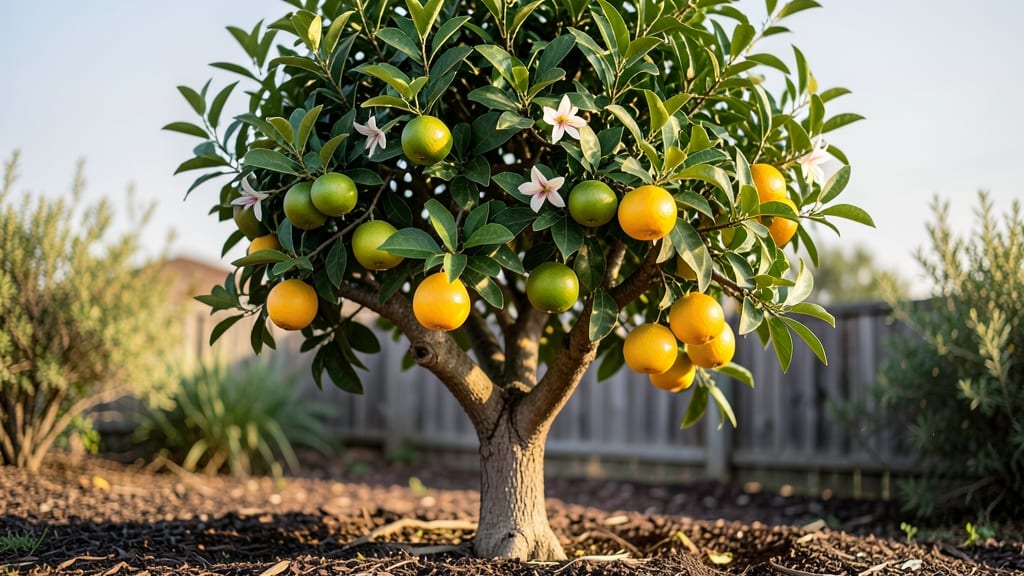
A grapefruit tree can grow anywhere from 8 feet tall to over 25 feet, depending on the variety and how you care for it.
Picture this: a towering citrus giant in your backyard or a compact, patio-friendly dwarf variety that fits your space perfectly.
The difference isn’t just in height—it’s in how much room you need, how often you’ll prune, and whether your tree will shade your entire deck or just a corner of it.
Standard varieties like Ruby Red or White Marsh can reach 20-25 feet if left unpruned, making them more suited for rural properties or large yards.
But dwarf varieties, such as Foster Improved or Melogold, stay between 6 and 10 feet, making them ideal for containers, small patios, or even indoor growing near sunny windows.
In this guide, you’ll discover how to choose the right size for your space, the pruning secrets to control growth, and the surprising ways climate and care can influence just how tall—or short—your grapefruit tree becomes.


Standard grapefruit tree height: how big can they really get?
If you’ve ever dreamed of growing your own grapefruit tree but worried about its mature height, you’re not alone. Standard grapefruit varieties like Ruby Red and White Marsh can reach impressive heights under ideal conditions.
Without proper care or space planning, these trees can grow 20–25 feet tall, making them more suited for large backyards or orchards than small urban patios.
But don’t let that intimidate you! With the right pruning techniques and climate considerations, you can manage their growth and still enjoy a bountiful harvest. The key lies in understanding how fast they grow, how much space they need, and how your local climate influences their size.
The average height of a mature standard grapefruit tree ranges from 15–25 feet, depending on the variety and growing conditions. For example, the Ruby Red variety typically reaches 20–25 feet, while White Marsh tends to stay slightly shorter at 15–20 feet.
These trees grow 2–4 feet per year in their early years, so their height can become a concern quickly if not managed.
Here’s a quick breakdown of what to expect with standard grapefruit trees:
Your local climate plays a huge role in how tall your grapefruit tree grows. In warmer climates like Florida or California (USDA Zones 9–11), these trees grow faster and reach their full height more quickly.
However, in cooler zones like Zone 8 or 9, growth slows down, and trees may stay shorter unless you provide extra care, like winter protection or container growing.
If you’re planting a standard grapefruit tree in your yard, plan for at least 15–20 feet of space between trees to allow for proper airflow and sunlight penetration. Poor spacing can lead to disease risks and stunted growth.
For example, planting two Ruby Red trees too close together might force them to compete for nutrients, resulting in smaller fruit and slower height growth.
One way to control height is through regular pruning. By pruning in late winter or early spring, you can shape the tree and encourage a bushier, more manageable form. Just avoid heavy pruning in the summer, as this can stress the tree and reduce fruit production.
Aim to remove no more than 25% of the canopy in a single pruning session to keep the tree healthy.
For those with limited space, consider planting your grapefruit tree near a south-facing wall or fence. This can provide some natural support and help manage height by directing growth upward rather than outward.
Just ensure the tree still gets 6–8 hours of sunlight daily, as grapefruits are sun-loving plants that won’t thrive in shade.
In summary, standard grapefruit trees are stunning but require careful planning if you want to keep them in check. With the right variety, spacing, and pruning, you can enjoy a productive tree without it taking over your backyard.
Whether you’re growing a Ruby Red or White Marsh, understanding these height factors will help you make the best decisions for your garden.
Dwarf grapefruit trees: compact varieties for small spaces and containers
If you love the idea of growing grapefruit but lack space for a towering standard tree, dwarf varieties are your best bet. These compact citrus trees reach only 6–10 feet tall, making them perfect for containers, patios, or small urban gardens.
Unlike their full-sized counterparts, dwarf grapefruit trees maintain manageable heights while still producing juicy, flavorful fruit. The key is choosing the right variety and learning how to prune effectively to keep them in check.
Not all dwarf grapefruit trees are created equal. Some varieties stay closer to 6 feet, while others may stretch toward 10 feet with proper care. The difference often comes down to rootstock (the underlying root system) and pruning discipline.
For example, the 'Foster Improved' variety is a popular dwarf choice, while 'Melogold' offers a slightly larger but still manageable profile. Both thrive in containers, provided they get full sun and well-draining soil.
When growing dwarf grapefruit trees in containers, choose pots that are at least 15–25 gallons for smaller varieties like 'Foster Improved' and 25–35 gallons for larger ones like 'Melogold'. Use fast-draining citrus mix with perlite or sand to prevent root rot, a common issue in potted citrus.
Place your container in a sunny spot where it gets at least 6–8 hours of direct sunlight daily. Without enough light, your tree will struggle to produce fruit and may grow leggy.
Pruning is essential to maintain the compact shape of dwarf grapefruit trees. Focus on removing suckers (shoots growing from the base or trunk) and thinning out crowded branches to improve airflow. Aim to prune lightly in early spring and more aggressively after harvest to shape the tree.
Avoid heavy pruning in winter, as this can stress the tree. With the right pruning, you can keep your dwarf grapefruit tree under 8 feet tall even as it matures, making it ideal for balconies, patios, or small yards.
One of the biggest advantages of dwarf grapefruit trees is their faster fruit production. While standard trees may take 5–7 years to bear fruit, dwarf varieties often produce within 2–3 years of planting. This makes them a rewarding choice for home gardeners eager to enjoy homegrown grapefruit.
Just remember to fertilize regularly during the growing season with a balanced citrus fertilizer (6-6-6 NPK) to support both growth and fruit development.
Whether you're dreaming of a container garden on your balcony or a small backyard citrus tree, dwarf grapefruit varieties deliver big flavor in a tiny footprint. With the right variety, container setup, and pruning routine, you can enjoy homegrown grapefruit without sacrificing space.
Start with a 15–25 gallon pot, place it in full sun, and watch your compact citrus tree thrive—fruit and all! 🍊✂️🪴