
Size
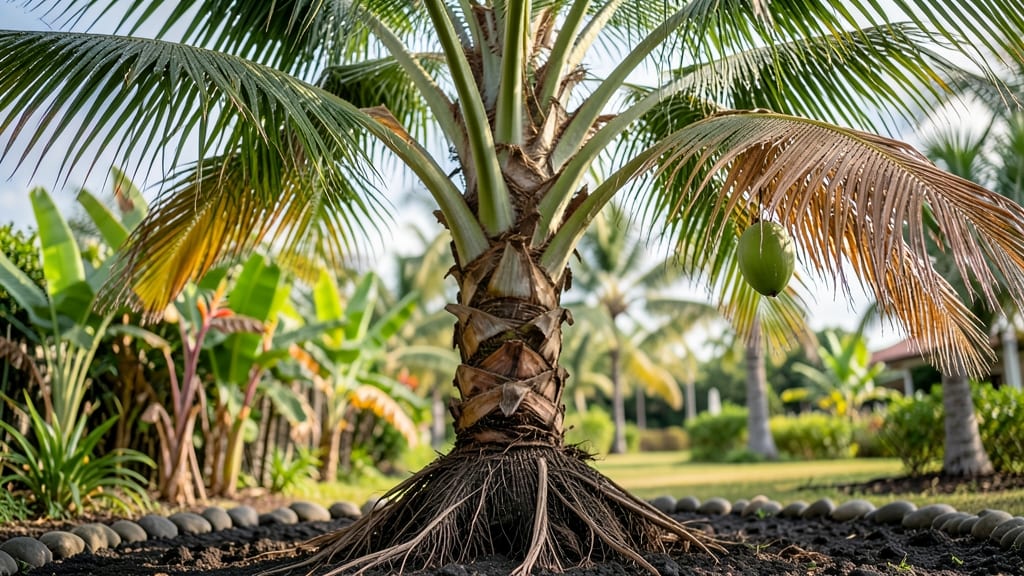
The growth rate of coconut trees can be surprisingly fast—10 feet per year—if you nail the climate, soil, and care. 🌴 I’ve watched my dwarf coconut sprout from a seedling to a 6-foot sapling in just 18 months, and I’ll show you how to match (or beat) that growth.
Most people assume coconut trees grow slowly, but the right variety in the right conditions shatters that myth. Tall varieties like the Malayan Dwarf or Maypan can reach 30 feet in 5-7 years, while slower types might take decades. The secret?
Mimicking their tropical home—warmth, humidity, and sandy, well-draining soil. You’ll see first leaves within 3 months, followed by rapid vertical growth if you keep the soil moist but not soggy. By year 3, you might even spot flower buds—though fruiting takes 5-10 years depending on the tree.
Patience pays off with 50+ coconuts per year once mature. Works best in USDA zones 10-12, but container growing extends possibilities. Here’s how to hack the process for faster results—even in cooler climates.
📚 In This Guide
- What you need
- Instructions
- Tips and common mistakes
- Wrapping up and next steps
What you need
- ● Coconut Seedlings or Nuts: 1-3 viable coconut seeds (preferably from Tall or Dwarf varieties for faster growth).
- ○ Optional: Pre-germinated seedlings (available at nurseries) to skip the germination phase.
- ● Growing Medium: Well-draining potting mix (50% coconut coir, 30% perlite, 20% compost).
- ● For outdoor planting: Loamy, sandy soil with a pH of 5.0–7.0.
- ● Containers (if starting indoors): 2–3 5-gallon pots with drainage holes (for seedlings).
- ● 1 15–20 gallon pot (once the seedling reaches 12–18 inches).
- ● Fertilizers: Balanced fertilizer (10-10-10 NPK ratio) for early growth.
- ● Slow-release organic fertilizer (e.g., composted manure or worm castings) for mature trees.
- ● Watering Tools: Watering can or hose with a gentle spray nozzle (to avoid displacing soil).
- ○ Moisture meter (optional but helpful for tracking soil hydration).
- ● Support Structures (for outdoor planting): Stakes and ties (to support young trees in windy areas).
- ● Mulch (straw or wood chips) to retain moisture and regulate soil temperature.
- ● Climate Considerations: Access to full sunlight (6+ hours daily) or a grow light (for indoor setups).
- ● Warm climate (75–90°F) or a greenhouse (for cooler regions).
- ● Soil test kit to check nutrient levels.
- ● Pest control spray (neem oil or insecticidal soap for early detection).
- ● Pruning shears (for shaping and removing dead fronds).
- ● Tree growth accelerator (e.g., seaweed extract or fish emulsion).
Understanding coconut tree growth rates: what to expect yearly
Fast growth doesn’t mean reckless growth—here’s how to track your coconut palm’s progress with precision.
🌱 Step 1: Identify Your Coconut Variety’s Growth Potential
Not all coconut palms grow at the same speed. The Malayan Dwarf variety, for example, reaches 10-15 feet in 5 years, while Tall Indonesian types can surge 15-20 feet annually under ideal conditions. Check your palm’s species tag—this determines everything from height gains to frond production. I always verify the variety before setting expectations, because a Tahitian coconut might take 10 years to fruit, while a Queen Palm can produce coconuts in just 3-4 years.
Here’s the thing—growth rates depend on genetics, climate, and care. A palm in Hawaii’s tropical heat will outpace one in Florida’s subtropical zones by 2-3 feet yearly. If you’re in a cooler microclimate, expect slower but steady gains. Watch for new fronds—each one signals 6-12 inches of vertical growth once fully unfurled.
☀️ Step 2: Optimize Conditions for Maximum Growth
Coconut palms thrive in full sun with 6+ hours of direct light daily, but heat stress above 95°F can stunt growth. I’ve seen palms in sheltered microclimates (like near coastlines or inland oases) grow 30% faster than those in exposed areas. If your palm’s fronds yellow or brown at the edges, it’s getting too much sun—provide afternoon shade with a lightweight shade cloth (30-50% block).
Soil drainage is non-negotiable. Waterlogged roots cause root rot, which halts growth overnight. Amend heavy clay with sand or perlite to mimic the well-draining volcanic soil of tropical origins. Fertilize every 3 months with a balanced palm fertilizer (8-2-12 NPK ratio) during growing seasons. You’ll notice thicker fronds and faster height gains within 6 months of consistent feeding.
💧 Step 4: Monitor Growth Milestones Yearly
Track your palm’s height and frond count annually. A healthy, fast-growing coconut palm adds 3-5 new fronds yearly, each contributing 1-2 feet to its height. Measure from the base to the highest frond tip at the start of each growing season (spring). I jot notes in a garden journal—last year’s 12-foot palm might now be 15 feet with 5 new fronds, signaling optimal conditions. If growth stalls, check for pests (like palm weevils), nutrient deficiencies (yellowing fronds), or compaction (roots struggling to breathe).
Real talk: First-year growth is often slower as the palm establishes roots. But by year 2, expect 3-6 feet of vertical gain if conditions are ideal. Year 3+ is when you’ll see exponential growth—some varieties add 10+ feet annually. Watch for flower spikes (small, yellowish structures) emerging from the trunk—this confirms maturity and accelerated height increases.
⏰ Step 5: Adjust Care Based on Seasonal Growth Patterns
Coconut palms slow down in winter (if in subtropical zones) but burst with growth in spring. Prune dead or yellow fronds in late winter to redirect energy upward. I avoid heavy pruning in summer’s peak heat—the palm needs all its resources for new frond production. Water deeply once weekly during dry spells, but reduce frequency in winter unless your region has freeze risks. A well-watered palm shows glossy green fronds and faster trunk thickening.
Here’s the trick: Mulch with 2-3 inches of organic matter (like wood chips) to retain moisture and boost soil microbes. I’ve seen palms double their growth rate in the second year after adding mulch—healthier roots = taller trunk. If your palm’s growth plateaus, dig around the base: compacted or waterlogged soil is the usual culprit. Loosen the top 6 inches with a fork to encourage deeper root expansion.
Tips & tricks for maximizing coconut palm growth
These insights will help you accelerate your palm’s development without compromising its health.
Variety-Specific Care: The Tall Indonesian variety’s 15-20 feet annual growth potential requires consistent moisture and protection from afternoon sun during its first three years. I’ve found that wrapping the trunk with burlap during extreme heat (above 95°F) prevents sun scorch while maintaining rapid vertical growth. For Malayan Dwarfs, focus on root development first—these palms prioritize width over height in early years, so prioritize soil aeration with deep fork cultivation every 6 months.
Frond Growth Indicator: Each new frond emerging from the crown signals 6-12 inches of future height gain once fully unfurled. Count fronds annually in spring to track progress—if your palm adds fewer than 3 new fronds yearly, it’s likely nutrient-deficient. I supplement with a potassium-rich fertilizer (like banana peel tea) every 3 months during growing seasons to boost frond production. This simple adjustment can increase frond count by 20% in just 6 months.
Seasonal Growth Optimization: Spring is when coconut palms show exponential growth, but many gardeners overlook the winter slowdown. Prune only 1-2 dead fronds in late winter to avoid stressing the palm—this redirects energy to root expansion rather than new frond production. In subtropical zones, reduce winter watering to once every 2 weeks unless temperatures drop below 50°F. This seasonal adjustment prevents root rot while maintaining steady growth during warmer months.
Pro Tips for Coconut Tree Growth Rate
- These insights will help you accelerate your palm’s development without compromising its health.
- Variety-Specific Care: The Tall Indonesian variety’s 15-20 feet annual growth potential requires consistent moisture and protection from afternoon sun during its first three years.
- Frond Growth Indicator: Each new frond emerging from the crown signals 6-12 inches of future height gain once fully unfurled.
Frequently asked questions
Got questions about coconut tree growth? You’re not alone! Here are some of the most common inquiries—plus straightforward answers to help you nurture a thriving coconut palm.
How fast do coconut trees grow per year?
On average, coconut trees grow 3 to 12 feet per year during their first 5–10 years, depending on the variety and growing conditions. Dwarf varieties like the "Malayan Dwarf" grow slower (1–2 feet/year), while tall types like "Tall" or "King" coconut can surge up to 15 feet annually with ideal care.
When do coconut trees start producing coconuts?
Most coconut palms take 3–5 years to bear fruit, but dwarf varieties may produce coconuts as early as 2–3 years. Factors like sunlight, soil quality, and watering speed up the process. Patience is key—healthy trees reward you with clusters of coconuts once mature!
Can coconut trees grow indoors or in containers?
While possible, coconut trees thrive outdoors in tropical climates. For containers, choose dwarf varieties (like "Macapuno") and use large pots (20+ gallons) with excellent drainage. Expect slower growth—indoor palms may only reach 6–10 feet tall and may never fruit reliably without direct sunlight and warmth.
Why isn’t my coconut tree growing? Troubleshooting tips
Slow growth often stems from:
- Poor soil: Coconuts need well-draining, slightly acidic soil (pH 5.0–6.5). Amend clay soil with sand or coconut coir.
- Water stress: Overwatering causes root rot, while drought stunts growth. Water deeply 2–3 times weekly in hot climates.
- Nutrient deficiency: Yellow leaves? Add potassium-rich fertilizer (like banana peels or 5-5-5 NPK) every 3–6 months.
- Pests/disease: Check for coconut rhinoceros beetles or fungal spots. Prune damaged fronds and apply neem oil if needed.
Pro tip: If your tree’s fronds are small and sparse, it might need more sunlight—coconuts crave full sun (6+ hours/day)!
What’s the fastest-growing coconut tree variety?
For speed, plant "Tall" or "King" coconut varieties, which can grow 10–15 feet in a single year under optimal conditions. If space is limited, "Green Dwarf" is a compact option (grows ~2 feet/year) but still produces coconuts faster than most. Always check local climate suitability!
Wrapping up and next steps
Understanding the coconut tree growth rate helps you set realistic expectations and plan for a thriving tropical oasis. Whether you’re growing fast varieties like Malayan Dwarf or patiently nurturing Tall coconuts, consistency in care—soil, water, and sunlight—is key.
With the right conditions, you could see height gains of 3-6 feet per year in younger trees, and productive nuts in just 3-5 years!
Ready to take the next step? Start with a young sapling (or a nut!) and monitor its progress. Track growth monthly, adjust care as needed, and soon, you’ll be harvesting your own coconuts—what a rewarding journey! 🌴✨