
Light Requirements
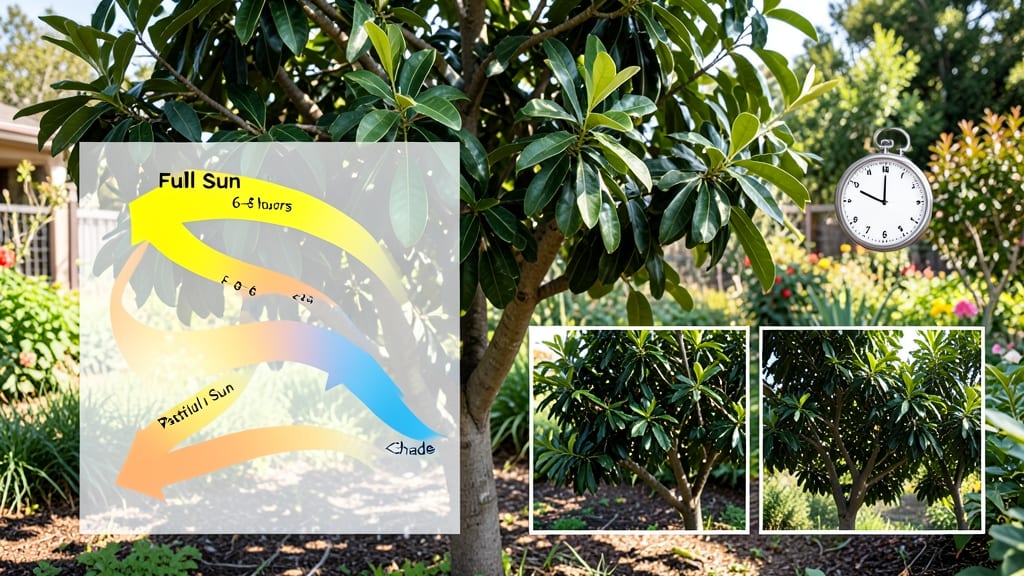
An avocado tree needs at least 6 hours of sunlight daily to thrive and produce fruit, but most gardeners don’t realize how picky they are about light placement.
Picture this: your 🥑 tree sits in a spot that seems sunny, but the leaves are pale, the branches stretch awkwardly, and—worst of all—no fruit ever sets. That’s not just a "sunny" spot; it’s a sunlight deprivation zone.
The difference between a struggling sapling and a fruit-bearing giant often comes down to where you put it.
Here’s the deal: avocados love full, direct sun, but they also hate the harsh afternoon glare that scorches leaves in hot climates.
We’ll break down the exact light conditions your tree needs, how to spot when it’s getting too much (or too little), and what to do if your yard just doesn’t have enough natural light.
By the end, you’ll know whether your avocado tree is basking in the perfect 6-hour glow or if it’s time to relocate—before it’s too late for next year’s harvest.


Optimal sunlight requirements for avocado trees: the 6-Hour rule explained
Avocado trees are sun worshippers, and their fruit production depends heavily on consistent sunlight exposure. While the famous 6-hour rule is a great starting point, the truth is more nuanced. Different avocado varieties have unique needs, and even the same tree requires different light levels at various growth stages.
Let’s break down exactly how much sunlight your avocado tree needs to thrive—and how to measure it accurately.
The 6-hour minimum applies primarily to mature avocado trees in full sun climates. However, seedlings and trees in cooler regions often need more light to establish strong roots and branches.
For example, Mexican varieties (like Hass) tolerate slightly less sun than West Indian or Guatemalan types, which crave intense sunlight to produce fruit. Understanding these differences can mean the difference between a leafy but barren tree and one loaded with avocados.
🌱
| Variety | Sunlight Needs | Seedling Stage | Mature Stage | Notes |
|---|---|---|---|---|
| Mexican (Hass, Fuerte) | 6-8 hours | 8+ hours (bright indirect) | 6-8 hours (full sun) | Tolerates partial shade; fruit quality drops |
| West Indian (Lamb Hass, Pinkerton) | 8+ hours | 10+ hours (direct sun) | 8-10 hours (full sun) | Needs intense light for fruiting |
| Guatemalan (Choquette, Reed) | 8-10 hours | 10+ hours (direct sun) | 8-12 hours (full sun) | Best for warm, tropical climates |
| All Varieties (Indoor) | 6-8 hours (supplemental) | Grow lights 12-14 hrs/day | South-facing window + lights | Fruiting unlikely indoors |
Seedlings are particularly sensitive to light deprivation. In their first year, they need bright, indirect light for at least 8 hours daily to prevent leggy growth (long, weak stems). If you’re growing from seed, place your young avocado near a south-facing window or under a grow light.
Without enough light, seedlings become etoliated—stretching toward any available light source while developing weak, yellow leaves.
Mature avocado trees, on the other hand, can handle partial shade in hot climates (like afternoon shade to prevent sunburn), but they’ll produce far fewer fruits if they don’t get their minimum 6 hours of direct sunlight.
The key is balancing light intensity with temperature. In regions with extreme heat (like USDA Zone 9+), afternoon shade can protect leaves while still allowing morning sun for photosynthesis.
🌿
Measuring sunlight exposure accurately is easier than you think. Use a sunlight tracker (or a simple app like Sun Surveyor) to log how many hours your tree gets direct sunlight each day.
Alternatively, place a white piece of paper under the tree at midday—if it casts a sharp shadow, your tree is in full sun. For partial shade, the shadow will be fuzzy or filtered.
Remember, morning sun (cooler and less intense) is often better than harsh afternoon sun, especially in desert climates.
If your avocado tree is in a container, rotate it quarter-turns every few weeks to ensure even light exposure on all sides. This prevents one-sided growth and helps the tree develop a balanced canopy.
Containers also dry out faster, so ensure your tree gets consistent sunlight to maintain steady moisture levels in the soil.
🪴
One common mistake is assuming that more sunlight is always better. While avocados love light, intense afternoon sun in hot climates can cause leaf scorch or sunburn, turning leaves crispy and brown at the edges.
If you notice these symptoms, provide afternoon shade with a lightweight shade cloth (30-50% shade) or move potted trees to a slightly shadier spot during peak heat hours.
For gardeners in cooler climates
Signs of too much or too little sunlight: how to diagnose and fix common issues
Your avocado tree might be silently screaming for help—through its leaves. Too much sunlight causes leaf scorch, while too little triggers nutrient deficiencies and stunted growth. Both extremes stress your tree, reducing fruit production. Learning to read these signs early can save your harvest.
Start by checking the leaf edges for crispy, brown patches—a classic sign of sunburn. On the flip side, pale yellow leaves with slow growth often mean your tree isn’t getting enough light. Both issues require quick adjustments to restore balance and keep your avocado tree thriving.
Mexican varieties tolerate partial shade (4-6 hours), but Guatemalan and West Indian types demand full sun for fruit production. Containers dry faster—move them to sunnier spots if leaves yellow or wilt by midday.
For container-grown avocados, watch for root-bound stress when sunlight increases—roots can’t absorb enough water. Upgrade pots every 2-3 years and use well-draining soil to prevent root rot. In-ground trees need 6+ feet of space to avoid competition for light.
If your tree’s leaves curl upward or develop white patches, it’s likely overheating. Prune lower branches to improve airflow and reduce heat stress. For indoor growers, rotate the pot weekly to ensure even light exposure—avocados won’t tolerate one-sided sunlight.
Yellowing leaves with green veins signal chlorosis, a deficiency caused by poor light. Move your tree to a sunnier location and add iron supplements if needed. Morning sun is ideal—it prevents afternoon heat damage while providing enough energy for photosynthesis.
Adjusting your avocado tree’s placement can make all the difference. Use a light meter to track daily sunlight hours, and consider reflective surfaces (like white walls) to maximize light in shady areas. With the right balance, your tree will reward you with lush foliage and abundant fruit.