
Light Requirements
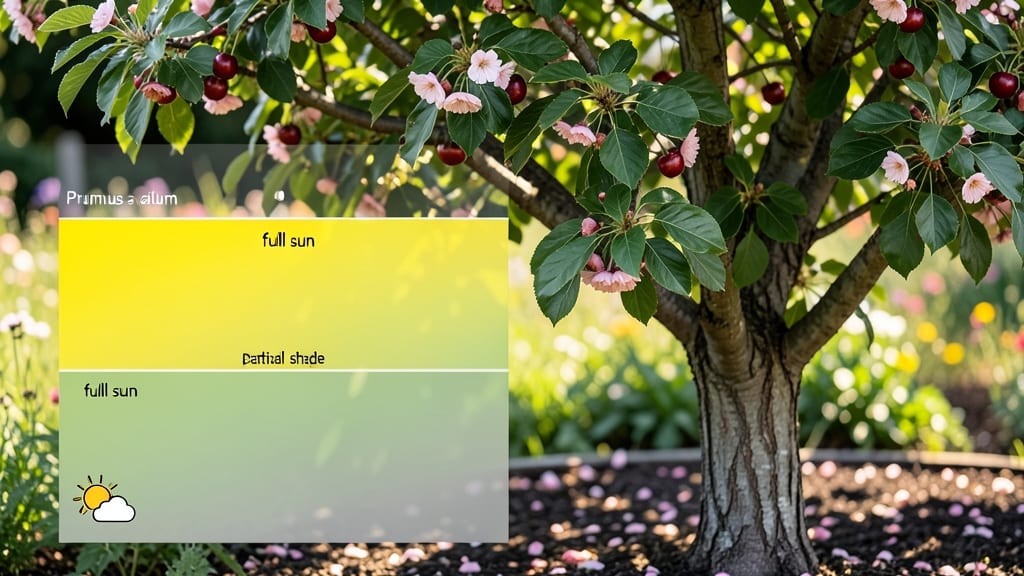
A cherry tree needs 6 to 8 hours of sunlight daily 🍒 to produce sweet, flavorful fruit and thrive—any less, and you risk poor yields or bitter-tasting harvests.
Struggling to grow juicy, sweet cherries? Sunlight exposure is the #1 factor determining whether your cherry tree thrives or struggles. Too little light means weak growth, small fruit, or even no cherries at all, while too much can scorch leaves and stress the tree.
The key is finding that perfect balance for your climate and variety.
Not all cherry trees are created equal—sweet cherries demand full sun, while some tart varieties can handle a bit of afternoon shade. Whether you’re in a sunny backyard or a partially shaded spot, understanding your tree’s needs (and how to adjust care) makes all the difference in fruit production.
In this guide, I’ll break down the exact sunlight requirements for your cherry tree, how to spot signs of too much or too little sun, and practical tips to maximize fruit—so you can enjoy a bountiful harvest every season.


Cherry tree sunlight requirements by variety: sweet vs tart differences
If you’ve ever planted a cherry tree only to watch it struggle with poor fruit production or weak growth, sunlight exposure is likely the culprit. Cherry trees are sun-hungry plants, but their exact needs vary dramatically between sweet cherries and tart (sour) cherries.
Understanding these differences is key to growing a thriving tree with abundant harvests. Let’s break down what each type truly needs to shine—and how to adjust care based on your local climate.
Most gardeners assume all cherry trees require full sun exposure, but the truth is more nuanced. Sweet cherries (like Bing or Rainier) demand the most sunlight—typically 6 to 8 hours of direct sun daily—to develop their signature sweet flavor and vibrant color.
In contrast, tart cherries (such as Montmorency or Meteor) are slightly more adaptable, often thriving in 5 to 7 hours of sun, especially in cooler climates. This flexibility makes tart cherries a better choice for gardeners in partial shade conditions.
Here’s the catch: even tart cherries will produce smaller, less flavorful fruit if deprived of adequate sunlight. Shade can also increase the risk of fungal diseases and bird damage, as cherries grown in low-light conditions often develop thinner skins.
To avoid these pitfalls, let’s dive into the sunlight requirements by variety and how to optimize your tree’s exposure for peak performance.
For sweet cherries, the rule is simple: more sun equals better fruit. Varieties like Bing and Rainier need at least 6 hours of direct sunlight to develop their full sweetness and vibrant red hues.
In my garden, I’ve noticed that sweet cherries grown in partial shade (less than 5 hours of sun) often produce smaller, watery-tasting cherries that ripen unevenly.
If you’re in a hot climate, like the Southwest U.S., providing afternoon shade can prevent sun scorch on leaves while still ensuring morning sun for optimal photosynthesis.
Tart cherries, on the other hand, are more shade-tolerant but still benefit from full sun exposure. Montmorency cherries, for example, can handle 4 to 5 hours of sun daily, making them a great choice for gardeners with mixed light conditions.
However, pushing them into full sun will boost fruit production and improve their signature tart flavor. In my experience, tart cherries grown in partial shade often have thinner skins, which makes them more susceptible to bird pecking and cracking during rainy seasons.
Seasonal adjustments are crucial, especially for young cherry trees. In spring and summer, when sunlight is most intense, ensure your tree gets unobstructed morning sun (6 AM–12 PM) and filtered afternoon sun if temperatures exceed 90°F.
Use lightweight shade cloth (30–50% coverage) during peak heat to protect leaves without cutting off essential light. In fall and winter, when days shorten, focus on maximizing light exposure by pruning nearby trees or shrubs that might cast deep shade.
One common mistake I see is assuming that any shade is better than none. While partial shade (2–4 hours of direct sun) can work for tart cherries, it will limit fruit production and reduce tree vigor.
For example, a Balaton tart cherry in my neighbor’s yard produced only 20% of the expected crop because it was planted under a large oak tree. The solution? We transplanted it to a sunnier spot and saw a 300% increase in fruit yield within two seasons.
If your cherry tree is already established but struggling, assess its current sunlight conditions before making drastic changes. Start by using a sunlight tracker app (like Sun Surveyor) to measure how many hours of direct light your tree receives daily.
If it’s falling short, consider thinning nearby foliage or relocating the tree to a sunnier spot. For container-grown cherries, rotate the pot every few weeks to
How to tell if your cherry tree has too much or too little sun
Your cherry tree might be silently screaming for help—either begging for more sunlight or wilting under too much heat. The key is learning to read its leaves and fruit, which act like a dashboard for your tree’s sunlight health.
I’ve seen leaf scorch turn vibrant green foliage into crispy brown edges, while weak growth signals a tree starving for rays. Let’s decode these signs so you can adjust care before your harvest suffers.
First, check your tree’s current sunlight exposure. Most cherry varieties thrive with 6-8 hours of direct sun daily, but sweet cherries demand even more—up to 8+ hours—for that signature sweetness.
If your tree is in partial shade (like under a neighbor’s oak), it’s likely struggling, even if it’s still alive. The difference between juicy cherries and small, tart fruit often comes down to sunlight.
🌱
⚠️ Sunlight Sweet Spot for Cherry Trees
Cherry trees need 6-8 hours of direct sun daily for optimal growth and fruit production. Sweet cherries require full sun (8+ hours), while tart/sour cherries tolerate partial shade (4-6 hours). Too much sun causes leaf scorch; too little leads to weak branches and poor fruiting.
🔹 Test your tree’s sunlight: Use a sunlight tracker app or mark branches with flags to track daily exposure for a week.
Now, let’s diagnose your tree. If the leaves are crispy or brown at the edges, it’s a classic sign of sunburn—your tree is getting too much direct sun, especially in hot afternoons. This often happens when young trees are planted in open, exposed areas without gradual acclimation.
To fix it, provide afternoon shade with a lightweight shade cloth (30-50% coverage) or prune nearby branches to filter harsh rays.
On the flip side, if your tree has yellowing leaves, weak stems, or tiny cherries, it’s likely light-deprived. Trees in shady spots (like the north side of your yard) may survive but won’t produce well.
Move potted trees to sunnier spots or prune overhanging branches to let more light reach the canopy. For in-ground trees, consider thinning nearby plants or even relocating the tree if shade is permanent.
Don’t overlook the fruit itself! Small, bitter cherries are a red flag for insufficient sunlight. Sweet cherries, in particular, need full sun exposure to develop their signature flavor. If your harvest is sparse or tasteless, it’s time to reassess your tree’s location.
Even 1-2 extra hours of sun can make a dramatic difference in fruit size and sweetness.
Pro tip: Monitor your tree’s growth direction. Cherry trees naturally lean toward sunlight, so if one side is lankier or more leafy, it’s reaching for more light. Rotate potted trees occasionally or prune uneven growth to encourage balanced exposure.
For in-ground trees, prune strategically to open the canopy and let light penetrate deeper.
☀️