
Companion Plants
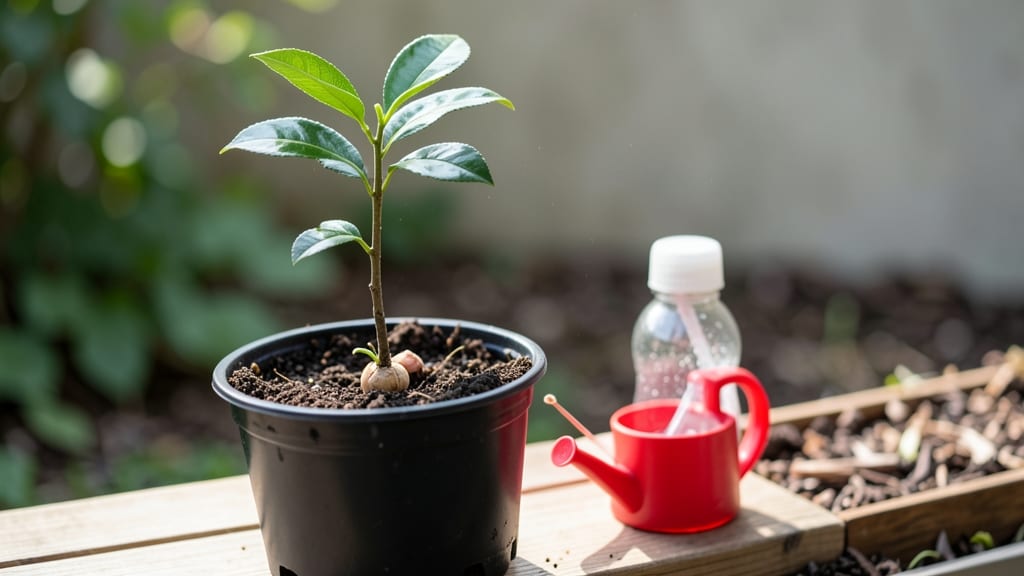
You can grow an orange tree from an orange seed, but the resulting tree will likely be non-fruit-bearing since most grocery store oranges are hybrids. Plant the seed in moist potting mix, maintain warm and humid conditions, and expect germination in 2-4 weeks with proper care.
While the process is straightforward, there are a few key factors that make it work.
First, you'll need to properly prepare the seed by removing any pulp and letting it dry slightly before planting. 🌱 The ideal growing medium is a well-draining potting mix that stays consistently moist but never soggy.
Citrus seeds thrive in temperatures between 70-85°F, so a warm indoor spot or greenhouse is perfect for germination. Many gardeners swear by using a humidity dome or plastic wrap to create a mini greenhouse effect during the early stages.
Once your seedling emerges, it will enter a critical growth phase where proper sunlight becomes essential. Seed-grown orange trees develop slowly—often taking years to mature—and rarely produce the sweet, juicy fruit you'd expect from grocery store varieties.
However, they make beautiful ornamental plants with fragrant blossoms and glossy foliage. For those hoping to eventually harvest fruit, grafting a citrus variety onto your seedling is the most reliable approach, though it requires some horticultural skill.
💡 In This Article
- Orange Seed Germination Process Explained
- Caring for a Seed-Grown Orange Tree
Orange seed germination process explained
The journey begins with your orange seed, which contains the genetic blueprint of the tree—but with a critical caveat. Most grocery store oranges are hybrid varieties (like Navel or Valencia) that won't produce true-to-type fruit from seed.
The seed you plant will grow into a Citrus × sinensis seedling, which may resemble a wild citrus relative like pummelo or mandarin rather than the parent tree. To prepare the seed, rinse off any remaining fruit pulp and let it air-dry for 12-24 hours to prevent fungal growth.
This drying step is crucial because citrus seeds have a hard outer shell that needs to lose some moisture before it can absorb water from the soil.
Once prepared, plant the seed ½ inch deep in a 4-6 inch pot filled with a sterile, well-draining mix of 50% peat moss and 50% perlite or coarse sand. The ideal germination temperature range is 70-85°F, which mimics the tropical conditions citrus trees prefer.
To maintain humidity, cover the pot with a clear plastic dome or wrap it in plastic wrap, creating a greenhouse effect that keeps moisture levels high. Citrus seeds typically germinate in 2-4 weeks, though some may take up to 8 weeks—patience is key here.
During this time, place the pot in bright, indirect light (like a south-facing window) to encourage early root development.
The root system of a citrus seedling develops in distinct stages. First, a primary root emerges downward, followed by secondary roots branching out horizontally. Within 4-6 weeks, you'll see the first true leaves—these are oval-shaped with serrated edges, different from the initial seed leaves.
What's fascinating is how citrus seeds use a process called epigeal germination, where the seedling pushes the seed coat above soil level before the leaves unfurl. This adaptation helps young seedlings access sunlight immediately. 🌱
One common misconception is that citrus seeds need direct sunlight to germinate. In reality, too much intense light can dry out the seed before it sprouts. The optimal light condition during germination is bright, diffused light (like under a grow light set to 12 hours/day).
Once the seedling reaches 3-4 inches tall, you can gradually introduce more direct sunlight to prevent etiolation (the leggy, weak growth that occurs when plants stretch toward light). At this stage, the seedling's leaves will develop a characteristic citrus aroma when crushed—a telltale sign of healthy growth.
Here's what most gardeners overlook: The soil's pH plays a subtle but important role in early development. Citrus trees prefer slightly acidic soil with a pH range of 6.0-7.0. If your tap water is alkaline (pH above 7.5), use distilled water or rainwater to water your seedling.
The roots are sensitive to salt buildup, which can occur if you're using untreated tap water. To test your soil's suitability, mix 1 part water with 1 part soil and use a pH test kit—the ideal mix should register between 6.2-6.8 for optimal nutrient uptake.
As your seedling grows, you'll notice the leaves developing a waxy coating that helps conserve moisture—a natural adaptation to citrus trees' native Mediterranean climate. This coating also makes the leaves slightly slippery to the touch, which is why citrus leaves feel almost velvety compared to other plants.
What's particularly rewarding is watching the first flush of true leaves appear, as they mark the transition from seedling to juvenile tree. At this point, you can begin fertilizing lightly with a balanced citrus fertilizer (like 8-8-8) diluted to half-strength, applied every 4-6 weeks during the growing season.