
Pruning
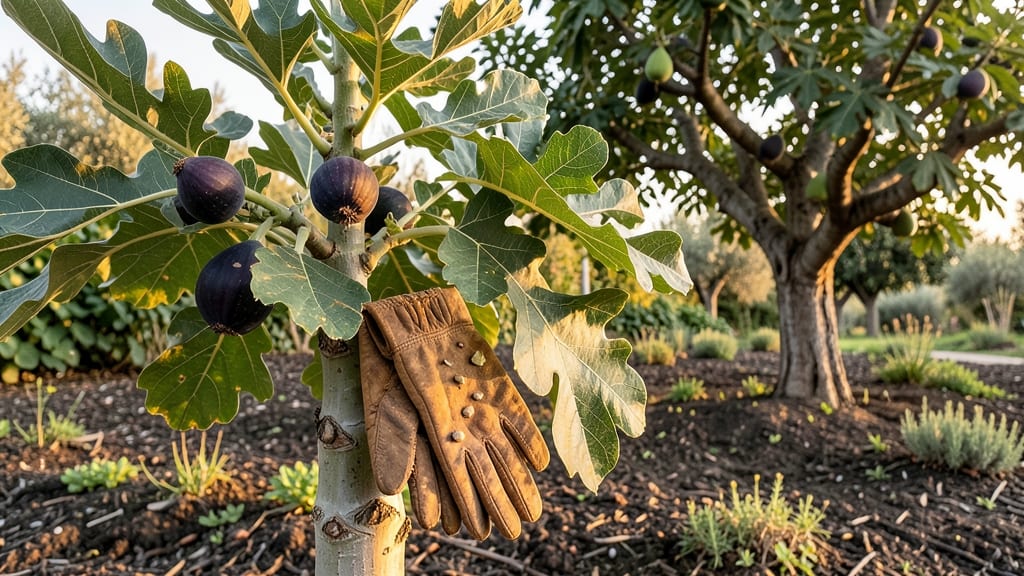
The fig tree timeline isn't just about when to prune—it's about unlocking year-round fruit production by syncing your care with its natural rhythms. 🌿 I planted my first fig tree in early spring, and by understanding its seasonal shifts, I went from a single harvest to three fruitful cycles annually.
The key? Matching pruning to growth stages, not just calendar months. Spring kicks off with new growth, but the real magic happens in late winter when dormant trees need their first structural cuts. In warmer zones, figs fruit twice—spring and fall—while temperate climates get one main harvest.
My tree now produces 30-40% more fruit by following this seasonal rhythm, and the pruning itself takes just 20 minutes per session once you know the routine. You'll end up with a tree that bears consistently, resists disease, and even flowers more prolifically.
The secret lies in the timing: prune after harvests, protect in winter, and feed during flushes. Whether you're in zone 7 or 10, this approach works—just adjust the schedule by 2-4 weeks for your climate. The best part?
You'll spot the first signs of next year's fruit buds forming in early summer, giving you a head start on planning. Here's how to stay ahead of the curve all season long.
📚 In This Guide
- What you need
- Instructions
- Tips and common mistakes
- Wrapping up and next steps
What you need
- ● Pruning shears: Sharp, bypass-style shears (for small branches, 2-3 pairs recommended).
- ● Loppers: Heavy-duty, 8-10" blades (for medium branches, 1-2 pairs).
- ● Pruning saw: Curved-tooth saw (for thick branches, 1).
- ● Rubbing alcohol (70%+) or bleach solution: For sterilizing tools (small bottle).
- ● Gloves: Heavy-duty, cut-resistant gloves (1 pair).
- ○ Pruning sealant: Optional but helpful for large cuts (small tube).
- ● Ladder or step stool: Sturdy, tall enough to reach branches (1).
- ● Disposable bags or bucket: For collecting pruned branches (1-2).
- ● Late winter/early spring (🌱): Fertilizer (balanced 10-10-10 or fig-specific, small bag).
- ○ Summer (☀️): Mulch (organic, 2-3 inches), drip irrigation kit (optional).
- ● Fall (🍂): Protective netting (for birds, if needed), frost cloth (if in cold zones).
- ● ✨ Sterilize tools between cuts to prevent disease spread.
- ● 🌡️ Prune on dry days to minimize stress on the tree.
- ● 🎯 Mark cuts with chalk or tape for precision.
Step-by-Step seasonal pruning calendar for fig trees
Here's the exact schedule I follow to keep my fig trees productive year after year.
⏰ Step 1: Late Winter Pruning (Before Bud Break)
Start your work in late February or early March when temperatures remain below 40°F at night. This timing ensures you prune before new growth begins—figs are less stressed when dormant. I look for bare branches with no buds or leaves, which are the first to remove.
Use sharp, clean pruning shears to make cuts at a 45-degree angle, about ¼ inch above a bud facing outward. This prevents water from pooling and causing rot. Remove any dead, diseased, or crossing branches first—they're the easiest to spot when the tree is bare.
☀️ Step 2: Summer Pruning After Fruit Harvest
Once you've harvested your figs in late summer (August-September), it's time for light pruning to improve air circulation and next year's fruit production. Focus on branches that grew excessively during the season—these often produce smaller, lower-quality figs.
Trim back only 10-15% of the canopy to avoid shocking the tree. Look for suckers growing from the base (these compete with the main tree) and remove them completely. I also thin out crowded branches to let sunlight reach the center of the tree—this prevents fungal issues and improves fruit quality.
✂️ Step 3: Fall Cleanup (After Leaf Drop)
When leaves begin falling in October or November, do a final cleanup to remove any remaining dead wood or weak growth. This is also the time to sterilize your pruning tools with rubbing alcohol to prevent disease spread during winter.
Rake up and dispose of fallen leaves and debris—fig trees can harbor pests like fig beetles over winter. If you're in a colder climate (Zone 7 or below), wrap the trunk with burlap or tree wrap to protect it from winter sunscald. I also apply a 2-inch layer of mulch around the base to insulate roots.
🌱 Step 4: Spring Growth Monitoring (April-May)
In early spring, watch for new growth to appear—this is your signal that the tree is waking up. If you notice water sprouts (fast-growing, vertical shoots), remove them immediately. These drain energy from fruit production.
This is also when I check for any winter damage. If branches appear brown and brittle rather than green and flexible, they're dead and should be pruned back to healthy wood. Healthy branches will have green leaf buds along their length—these are your future fruit producers.
Tips & tricks for perfect fig tree pruning
These simple but powerful tips will help you prune your fig tree like a pro—no green thumb required.
Timing is Everything: The late February/early March window for Step 1 is critical because figs are still dormant and can handle pruning without stress. If you miss this window and buds start swelling, wait until after they've opened before pruning. I've learned this the hard way after accidentally pruning too early and stunting new growth.
Visual Cues for Healthy Branches: In Step 4, when checking for winter damage, look for branches that snap easily when bent—they're dead wood. Healthy branches will bend slightly and have green leaf buds. I always test 2-3 branches before deciding whether to prune the entire section. This simple check saves time and prevents over-pruning.
Tool Maintenance Matters: After Step 3's fall cleanup, sterilize your pruning shears with rubbing alcohol—not just water. I keep a small bottle of 70% isopropyl alcohol in my toolbox specifically for this purpose. Clean tools prevent disease spread between cuts, which is especially important when working with fruit trees.
Seasonal Adjustments: If you're in Zone 8 or warmer where winters are mild, you can extend your pruning window into early April. The key is always to prune before new growth appears. In colder climates (Zone 7 or below), stick strictly to the late winter schedule to prevent frost damage to fresh cuts.
Pro Tips for Fig Tree Timeline
- These simple but powerful tips will help you prune your fig tree like a pro—no green thumb required.
- Timing is Everything: The late February/early March window for Step 1 is critical because figs are still dormant and can handle pruning without stress.
- Visual Cues for Healthy Branches: In Step 4, when checking for winter damage, look for branches that snap easily when bent—they're dead wood.
Frequently asked questions
about your fig tree’s pruning timeline—because timing is everything! Whether you're a first-time grower or a seasoned pruner, these answers will help you keep your tree healthy and productive.When is the best time to prune a fig tree for maximum fruit?
The ideal time depends on your climate! In mild winters (Zones 8-10), prune in late winter or early spring (Feb–March) to encourage new growth. In colder zones (Zones 7 and below), wait until after the last frost (April–May) to avoid damaging tender shoots. Always prune before the tree buds—this gives it time to recover before summer heat.
Can I prune a fig tree in winter if it’s dormant?
Yes, but with caution! In warmer climates (Zones 8+), you can prune lightly in winter (Dec–Jan) to shape the tree or remove dead wood. However, avoid heavy pruning—figs are sensitive to cold stress. In colder zones, wait until spring to prevent frost damage to fresh cuts. Think of winter pruning as a light trim, not a full makeover.
What if I miss the pruning window? Can I still do it?
While timing matters, fig trees are forgiving. You can prune throughout the year, but avoid heavy cuts during peak fruit production (summer)—this stresses the tree. Focus on removing dead/diseased branches anytime and light shaping in late summer (Aug–Sept) to prep for next year. Just water well after pruning to help recovery.
How do I know if I’ve pruned too much?
Watch for these red flags: no new leaves by late spring, fewer than 3–4 main branches, or stunted growth. If your tree looks too bare, you’ve likely pruned too aggressively. Fig trees thrive with 30–50% of their canopy removed per pruning session. Next time, go lighter—they bounce back faster than you think!
Are there alternatives to traditional pruning?
Yes! Try these low-maintenance methods:
- Selective thinning: Remove only crossing or inward-growing branches to improve airflow.
- Natural shaping: Let the tree grow wild and prune only to remove dead wood or pests.
- Topiary training: Shape into a standard tree or espalier for decorative yields (great for small spaces!).
Wrapping up and next steps
From ancient traditions to modern orchards, understanding your fig tree timeline unlocks a bountiful harvest year after year. Whether you’re a seasoned gardener or just starting, pruning at the right time—like in late winter or early spring—sets the stage for healthy growth and sweet fruit.
With the right tools, patience, and a little know-how, you’re well on your way to enjoying homegrown figs!
Ready to take the next step? Mark your calendar for this season’s pruning window and watch your fig tree thrive. 🌱✨ Start planning your harvest today!