
Pruning
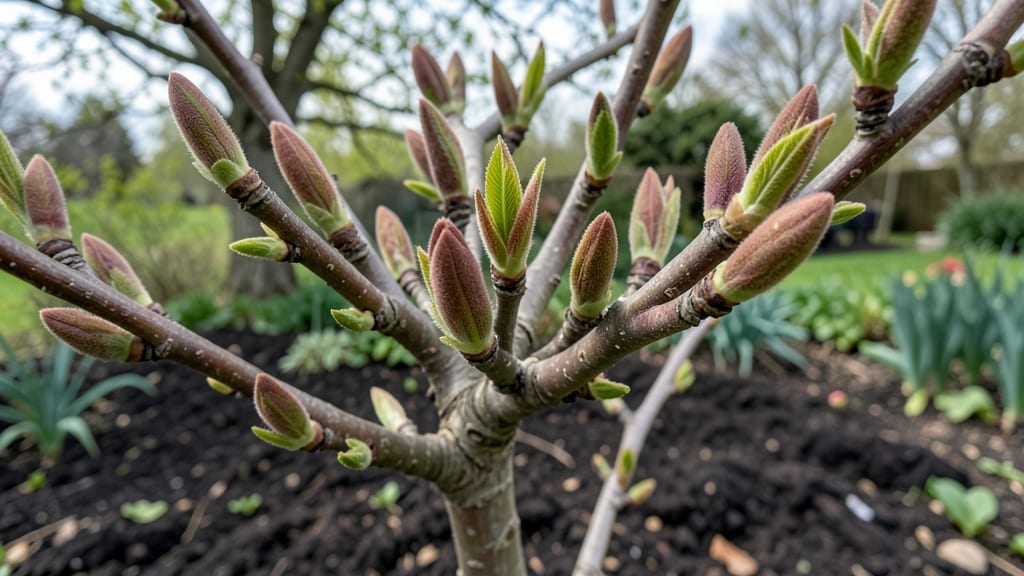
Those tiny chestnut tree buds hold the secret to next spring's harvest—if you know how to protect them now. 🌱 The dormant season is your chance to shape the tree's future, but one wrong cut can set back growth for years.
I've spent three winters pruning my family's chestnut grove, and the difference between a healthy tree and a struggling one often comes down to what happens with these little buds.
Healthy buds look plump and reddish-brown, clustered tightly along the branches. If they're shriveled, blackened, or covered in webbing, you're dealing with pests or disease.
The key is timing—wait until the tree is fully dormant, usually between late winter and early spring before buds swell, but after the worst cold snaps. This gives you a narrow window of about 2-3 weeks to work without harming emerging growth.
When you prune correctly, you'll see buds swell into vibrant green leaves by late April, with the first nuts forming by mid-summer. The tree becomes more resistant to blight and borers, and the canopy opens up to let sunlight reach the lower branches.
It's the difference between a tree that produces a handful of nuts and one that feeds your family for years.
This method works for both American and European chestnut varieties, though timing varies slightly by region. In colder zones, you might prune as late as March, while warmer climates can start in January. The principles stay the same—focus on the buds, and the rest follows naturally.
📚 In This Guide
- What you need
- Instructions
- Tips and common mistakes
- Wrapping up and next steps
What you need
- ● Pruning shears: Bypass pruners (sharp, clean, and disinfected with rubbing alcohol or bleach solution—1 part bleach to 9 parts water). Size: 6–8 inches for small branches.
- ● Loppers: For thicker branches (1–2 inches in diameter). Look for: Long handles (24–36 inches) and a ratchet mechanism for ease.
- ● Pruning saw: For branches thicker than 2 inches. Type: Curved-tooth saw for wood (avoid metal teeth—they tear fibers).
- ● Gloves: Heavy-duty, cut-resistant gloves (e.g., Mechanix or similar) to protect hands from thorns and rough bark.
- ● Disinfectant: Rubbing alcohol (70% isopropyl) or bleach solution (1:9 ratio) to sterilize tools between cuts and prevent disease spread.
- ● Marking tool: Colored tape or paint (e.g., white or pink) to tag branches for removal or special notes.
- ● Ladder or step stool: Sturdy, non-slip (e.g., aluminum with wide steps) for reaching higher branches. Height: Extend at least 3 feet above the branch you’re pruning.
- ● Heavy-duty trash bags: 30–50 gallon size for collecting pruned branches and debris.
- ● First-aid kit: Bandages, antiseptic wipes, and tweezers (just in case!).
- ● Pruning sealant: Tree wound dressing (e.g., Tanglefoot Tree Wound Pruning Seal) for large cuts (controversial but some swear by it!).
- ● Safety glasses: To shield eyes from debris or sap splashes.
- ● Work apron: With pockets to hold small tools and gloves.
- ● Extension pole pruners: For branches too high for a ladder (e.g., Fiskars 10-inch Extendable Pole Pruner).
- ● Notebook & pen: To sketch a map of your tree’s structure before/after pruning.
- ○ Tree growth regulator: (Optional) Products like Pro-Gibb to promote healthier bud development post-pruning.
Step-by-step guide to pruning chestnut tree buds for healthier growth
Here’s how to give your chestnut tree a strong start by working with its buds during dormancy.
✂️ Step 1: Identify and Locate the Buds
Chestnut tree buds are plump, oval-shaped, and often covered in fine hair when dormant. Look for them along branches—these are your growth points for next season. I like to examine the tree in late winter when buds are swollen but haven’t yet opened, usually between January and February in most climates.
Focus on branches that are at least ½ inch thick—thinner branches won’t produce strong new growth. If you’re unsure which buds are viable, gently press one with your thumbnail. A healthy bud will feel firm and slightly sticky, while a shriveled or hollow one should be pruned away immediately.
🌿 Step 2: Prune Dead or Weak Branches First
Start by removing any branches that are completely dead—they’ll be dry, brittle, and lack buds entirely. Cut these back to the main trunk or a strong lateral branch using clean, sharp pruning shears. I angle my cuts slightly upward to prevent water from pooling and rotting the wound.
Next, look for branches with few or weak buds. These won’t contribute much to new growth. Prune them back to a point where you see 3-4 healthy buds clustered together—this ensures the tree has energy to focus on strong new shoots.
☀️ Step 3: Thin Out Crowded Buds for Better Airflow
Chestnut trees can get overcrowded with buds, especially if they haven’t been pruned in years. The goal here is to space out the buds so each has room to grow into a strong branch. I aim for 6-8 inches between buds on the same branch—this prevents competition for nutrients and reduces disease risk.
Use your shears to trim back branches that are growing inward or crossing over others. Always cut just above a bud that’s facing outward—this encourages upward and outward growth rather than a tangled mess. If a branch has more than two strong buds in a row, thin it out to leave the most vigorous ones.
⏰ Step 4: Finish Pruning and Clean Up
Once you’ve removed deadwood and thinned the buds, step back and assess the tree’s shape. Chestnut trees benefit from an open, vase-like structure—this allows sunlight and air to reach the center. If the tree looks too dense, prune a few more branches to improve airflow.
After pruning, sterilize your tools with rubbing alcohol to prevent spreading disease. Rake up and dispose of any fallen branches or clippings—these can harbor pests or fungi. Water the base of the tree lightly if the ground isn’t frozen, but avoid overwatering, as chestnuts prefer well-draining soil.
🌱 Step 5: Monitor and Prepare for Spring
In early spring, around March or April, check the buds to ensure they’re plump and haven’t dried out. If you notice any shriveled or blackened buds, prune them off immediately—they won’t sprout and could signal disease.
Once new leaves appear, avoid heavy pruning until late summer or early fall. This gives the tree time to recover and store energy for next year’s growth. Keep an eye out for aphids or scale insects, which love new chestnut growth—treat them early with horticultural oil if you spot any.
Tips & tricks for pruning chestnut tree buds
Here's what I've learned after years of shaping my own chestnut trees—these small details make all the difference for next season's growth.
Timing is Everything: The January-February window is critical because that's when buds are swollen but haven't yet opened. If you prune too early, you might remove buds that would have sprouted. If you wait too late, you risk disturbing buds that are already preparing to grow. I always check the weather forecast and aim for a dry, calm day—this gives the tree time to recover before any spring rains.
Tool Prep Matters: Sterilizing your pruning shears with rubbing alcohol between cuts is non-negotiable. I keep a small bottle of 70% isopropyl alcohol in my tool bag and wipe down blades after every 3-4 cuts. This prevents spreading diseases like silver leaf fungus that can devastate chestnut trees. Also, make sure your shears are sharp—dull blades crush branches rather than making clean cuts, which invites infection.
Visual Cues for Healthy Buds: When examining buds in Step 1, look for three key indicators: first, the bud should feel firm when pressed with your thumbnail (not mushy or hollow), second, it should have a slight sticky residue (this is natural sap), and third, the bud scales should be tightly closed. I've found that buds with visible cracks or dried edges rarely produce strong new growth, so I always remove those first. This simple check saves hours of work later when you realize weak buds didn't sprout.
Spring Follow-Up Strategy: After your March-April check, mark any branches that need attention with colored tape. I use green tape for branches that need thinning and red for branches that should be removed completely. This visual system helps me remember which areas need attention when I do my summer pruning. It also creates a record of your tree's growth patterns over time.
Pro Tips for Chestnut Tree Buds
- Here's what I've learned after years of shaping my own chestnut trees—these small details make all the difference for...
- Timing is Everything: The January-February window is critical because that's when buds are swollen but haven't yet op...
- Tool Prep Matters: Sterilizing your pruning shears with rubbing alcohol between cuts is non-negotiable. I keep a smal...
Frequently asked questions
Got questions about chestnut tree buds and pruning? You’re not alone! Here are some of the most common concerns—plus clear, actionable answers to keep your tree thriving.
When is the best time to prune chestnut tree buds?
Prune chestnut trees during their dormant season—late winter or early spring (before buds swell) or late fall (after leaves drop). Avoid pruning in late spring or summer, as this can stress the tree and invite pests. Pro tip: Wait for a dry, calm day to minimize sap loss and infection risks.
How do I know if I’m pruning too much?
Never remove more than 25% of the tree’s canopy in one session. Look for thinning cuts (removing entire branches back to the trunk or larger limbs) rather than shearing. Over-pruning weakens the tree and reduces its ability to support new bud growth. Signs of over-pruning: Excessive sap bleeding, sparse foliage, or stunted buds the following spring.
Can I prune chestnut tree buds if they’re already swollen?
Yes, but with caution! Swollen buds indicate the tree is waking up from dormancy. Pruning at this stage can stimulate new growth, but it may also stress the tree. If you must prune, focus on dead, diseased, or crossing branches—avoid heavy cuts. For best results, wait until buds are still firm but leaves are just starting to unfurl (early spring).
What should I do if my chestnut tree buds aren’t opening in spring?
Bud dormancy can happen due to cold damage, pests, or disease. First, check for bud blight (blackened, mushy buds) or weevils (tiny holes in buds). If buds are healthy but slow to open, they may need more sunlight or warmth. Thin the canopy slightly to improve airflow, and avoid fertilizing until new growth appears.
Are there alternatives to pruning chestnut tree buds?
If pruning feels overwhelming, try selective thinning—remove only the most problematic branches (e.g., deadwood, water sprouts, or limbs rubbing together). For young trees, focus on structural shaping to encourage strong bud development. Mulching and deep watering also support bud health without pruning. For mature trees, consult an arborist to assess long-term care.
Wrapping up and next steps
Chestnut tree buds are the promise of vibrant spring growth, and with the right dormant-season pruning, you’re setting your tree up for a thriving future! 🌱 By removing dead wood, thinning crowded branches, and shaping strategically, you’ll encourage healthier foliage and stronger nuts. Now’s the perfect time to act—grab your tools, step outside, and give your chestnut tree the care it deserves. Happy pruning!
💡 Next Step: Mark your calendar for late winter or early spring to monitor your tree’s progress and make any final adjustments before the growing season kicks in.