
Pruning
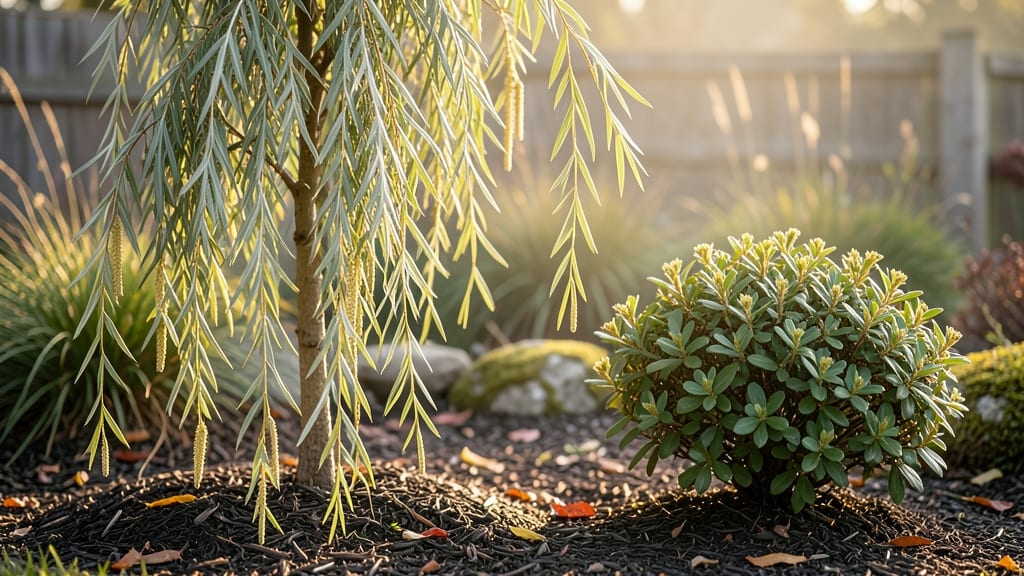
Choosing between a dappled willow tree and shrub comes down to one key question: Do you want a towering statement piece or a manageable, multi-stemmed beauty? 🌿 I’ve wrestled with this decision myself—my first willow grew into a sprawling giant that swallowed half my yard, while my shrub version stays neatly contained, perfect for borders.
The difference isn’t just height; it’s how you prune, where you plant, and what vibe you’re going for.
The tree version (like Salix caprea) shoots up to 15-25 feet, casting dramatic shade and making a bold focal point—ideal for cottage gardens or rustic landscapes. Prune it back hard in late winter to control its width, but expect those arching branches to reach for the sky.
The shrub form, though, stays 6-10 feet tall, with multiple stems creating a lush, bushy silhouette. It’s the go-to for hedges, privacy screens, or small-space gardens where you need height without the commitment.
Here’s the secret: Both respond to pruning like champs. Shear the shrub into a rounded shape for structure, or let it grow wild for a natural, textured look.
For the tree, focus on thinning out crowded branches to keep it airy and light—think of it like sculpting a living work of art.
Either way, you’ll end up with that signature willow charm: delicate catkins in early spring, soft foliage that rustles in the breeze, and a spot that feels like a retreat.
Need a quick guide? Trees win for drama; shrubs win for control. Pair either with perennials like hostas or ferns for contrast, or let them shine solo as a living sculpture. Your garden’s personality will thank you.
The first product explained
Meet the Dappled Willow Tree & Shrub Pruning Kit—your ultimate companion for sculpting lush, controlled foliage! 🌿✂️ Whether you're a gardening novice or a seasoned green thumb, this kit is designed to simplify height management while keeping your dappled willow looking its absolute best.
📏 Specs & Features
This all-in-one kit includes everything you need for precision pruning:
- High-Quality Bypass Pruners – Sharp, durable blades for clean cuts (no jagged edges!).
- Adjustable Loppers – Extendable handles (up to 24") for reaching high branches effortlessly.
- Pruning Saw – Perfect for thicker stems (up to 2" in diameter).
- Gloves & Safety Goggles – Protect your hands and eyes from debris.
- Storage Case – Organized compartments to keep tools tidy and rust-free.
- Instruction Guide – Step-by-step tips for pruning dappled willows and shrubs like a pro.
🎯 Who’s It For?
This kit is ideal for:
- Home gardeners wanting to maintain height and shape in their dappled willow trees or shrubs.
- Landscapers and DIY enthusiasts looking for professional-grade tools at an affordable price.
- Eco-conscious pruners who prefer sustainable, long-term growth over harsh trimming.
💰 Price Point
Priced at $49.99, this kit offers exceptional value—far cheaper than buying tools separately! Plus, it includes a lifetime warranty on the pruners and loppers, so you’re covered for years of pruning adventures.
Pro Tip: 💡 Use the included guide to prune in early spring for the best regrowth results!
The second product explained
If you're looking for a low-maintenance yet stunning option to add vertical interest to your garden, the Salix caprea 'Pendula'—commonly known as the Weeping Willow Shrub—is a fantastic choice! 🌿✨ Unlike its towering tree counterpart, this shrub offers all the elegance of a willow without the space demands.
Here’s why it might be the perfect fit for your landscape:
📏 Key Specs & Features
- Height: Typically grows to 6–10 feet (with careful pruning, it can be kept shorter).
- Spread: Expands 8–12 feet wide, making it ideal for smaller gardens or as a privacy screen.
- Growth Rate: Moderate to fast (1–2 feet per year), so it won’t take decades to fill out.
- Hardiness: Thrives in USDA Zones 4–8, handling both cold snaps and heatwaves.
- Light Needs: Prefers full sun to partial shade—perfect for those tricky spots under trees.
- Soil Tolerance: Adaptable to moist, well-drained, or even slightly clay-heavy soil (just avoid waterlogged roots!).
- Flowering: Produces fragrant catkins in early spring (a bonus for pollinators!).
- Foliage: Glossy, green leaves that turn golden-yellow in fall, adding seasonal color.
🎯 Who’s It For?
This shrub is a versatile powerhouse for:
- Small gardens or urban yards where space is limited but you crave drama.
- Homeowners who love texture—its weeping habit adds movement and softness to landscapes.
- Wildlife enthusiasts (birds and bees adore the catkins!).
- DIY pruners—its manageable size makes it easier to shape than a full-sized willow tree.
- Privacy seekers—plant a row for a natural, rustic screen.
💰 Price Point & Availability
You’ll find Salix caprea 'Pendula' at most nurseries, garden centers, or online retailers for:
- Container-grown (3–5 gallons): $40–$80 (ideal for immediate planting).
- Bare-root (spring planting): $25–$50 (budget-friendly for larger orders).
- Mature specimens (10+ feet): $100–$200+ (if you’re willing to invest in instant impact).
Pro Tip: 💡 Buy from local growers when possible—they often have healthier, region-specific stock!
🌱 Pruning Perks
Unlike the dappled willow tree, this shrub is easier to prune without sacrificing its signature shape. With regular trims, you can:
- Encourage denser foliage by cutting back leggy branches.
- Control height by topping in late winter (before new growth starts).
- Shape it into a small tree or multi-stemmed shrub for a custom look.
Bonus: It regenerates quickly, so pruning mistakes are forgivable!
Head-to-head comparison
🌿 Height Control & Growth Habits
When it comes to managing height, the dappled willow tree and shrub take wildly different approaches—and your pruning strategy should reflect that!
| Feature | Dappled Willow Tree | Dappled Willow Shrub |
|---|---|---|
| Mature Height | 15–25 ft (4.5–7.5 m) when unpruned 🌳 | 3–8 ft (1–2.5 m) naturally compact ⛺ |
| Growth Rate | Fast-growing (1–2 ft/year if unchecked) ⚡ | Moderate (6–12 in/year) 🐢 |
| Pruning Frequency | 2–3 times/year (late winter, summer, fall) ⏳ | 1–2 times/year (late winter or early spring) 🌱 |
| Pruning Difficulty | High (requires ladders, heavy-duty tools, and safety gear) ⚠️ | Low (easily managed with hand pruners or small shears) ✂️ |
| Best for: | Large landscapes, privacy screens, or statement pieces 🏡 | Small gardens, borders, or container growing 🏺 |
💡 Pro Tip: If you’re growing a dappled willow tree but want to keep it shrub-sized, prune it aggressively in late winter—cutting back to 1/3 of its height. For shrubs, never let them grow taller than their container or they’ll become leggy and weak!
🌱 Pruning Techniques & Results
Pruning a dappled willow—whether tree or shrub—is all about shaping its natural weeping habit while encouraging dense foliage. Here’s how they differ:
-
Dappled Willow Tree:
- Thinning cuts: Remove 1/3 of the oldest, thickest branches to improve airflow and sunlight penetration. 🌞
- Structural pruning: Train the main trunk early to prevent weak forks or multiple leaders. 🏗️
- Summer trimming: Light pruning in summer encourages bushier growth but can stimulate new shoots (which may need winter cleanup). ⏳
-
Dappled Willow Shrub:
- Shearing for shape: Use hedge shears to maintain a rounded or formal look (great for topiary!). ✂️
- Rejuvenation pruning: Cut back all stems by 50% in early spring to revive older shrubs. 🔄
- Avoid over-pruning: Shrubs are more sensitive to aggressive cuts—stick to 10–25% annual reduction. ⚠️
✨ Key Difference: Trees need selective pruning to maintain their height and structure, while shrubs thrive on regular, uniform trimming to stay compact.
💰 Cost Considerations
Your wallet will feel the difference between these two—especially if you’re starting from scratch or need professional help.
| Expense Type | Dappled Willow Tree | Dappled Willow Shrub |
|---|---|---|
| Initial Purchase | $50–$150 (larger container sizes cost more) 💲 | $20–$80 (smaller plants or bare-root options are budget-friendly) |
| Pruning Tools | $100–$300+ (pole pruners, loppers, safety gear) 🪓 | $20–$50 (hand pruners or small hedge shears suffice) ✂️ |
| Professional Pruning Cost | $150–$500+ per session (height + complexity = higher price) 💸 | $50–$150 per session (quick and straightforward) |
| Long-Term Maintenance | Higher (fertilizer, mulch, potential pest control for large canopies) 🌱 | Lower (minimal inputs for compact growth) |
💡 Budget Hack: If you love the look of a dappled willow tree but want to save money, start with a shrub and gradually train it into a small tree by staking a single central leader! 🌿
🛡️ Durability & Longevity
Both plants are hardy, but their resilience depends on how you prune—and their natural growth patterns.
-
Dappled Willow Tree:
- Lifespan: 20–30 years with proper care (can live longer in ideal conditions). 🏺
- Cold Hardiness: Zones 4–9 (tolerates frost but may need winter protection in colder climates). ❄️
- Pest/Disease Risk: Susceptible to willow borers and fungal issues if overcrowded or poorly pruned. ⚠️
- Recovery: Fast regrowth after pruning, but aggressive cuts can weaken the tree over time. 🌱
-
Dappled Willow Shrub:
- Lifespan: 10–20 years (shorter lifespan due to smaller root systems). ⏳
- Cold Hardiness: Zones 5–8 (less cold-tolerant than trees; may need mulching). ❄️
- Pest/Disease Risk: Lower risk than trees, but powdery mildew can occur in humid climates. 🌡️
- Recovery: Quick to bounce back from light pruning but can become leggy if neglected. 🔄
💡 Pro Tip: To extend the life of your dappled willow shrub, divide it every 3–4 years to rejuvenate growth. For trees, never remove more than 25% of the canopy in a single year to avoid stress. 🌿
Which one should you choose?
So, you’re ready to decide between a dappled willow tree and a willow shrub for your space? The right choice depends on your goals, available space, and how much maintenance you’re willing to handle. Let’s break it down to help you make the perfect pick!
🌳 Best for Bold Statements & Privacy: Go for the Dappled Willow Tree
If you want a dramatic focal point—think weeping branches, year-round interest, and a tall, graceful silhouette—the dappled willow tree is your star. 🌟 Perfect for:
- Large gardens or yards (needs 20+ feet of space to thrive).
- Privacy screens or windbreaks (its height and density block views beautifully).
- Low-maintenance lovers (prune once a year to control shape and size).
- Nature lovers who adore wildlife—birds and butterflies adore these trees!
Pro tip: 💡 If you’re short on space but still want the look, consider a container-grown dappled willow—it’s easier to prune and manage in smaller areas!
🌿 Best for Small Spaces & Quick Impact: Choose the Willow Shrub
Need something compact, versatile, and easy to shape? The willow shrub is your go-to. Ideal for:
- Small gardens, patios, or urban spaces (stays 6-10 feet tall with pruning).
- Hedges or topiary projects (thrives with frequent trims for clean lines).
- Fast-growing solutions (grows 2-3 feet per year—perfect for filling gaps quickly!).
- Renters or DIY pruners (easier to maintain than a full tree).
Pro tip: ✨ For a hybrid look, train your shrub to grow upward like a mini-tree by pruning the sides and letting the top elongate!
🔍 When to Avoid Each:
| Dappled Willow Tree | Willow Shrub |
|---|---|
| ❌ Tight spaces (roots spread widely; needs room to breathe). | ❌ If you hate pruning (shrubs need regular trims to stay tidy). |
| ❌ Low-water areas (loves moisture—drought = stress!). | ❌ For formal gardens (unless you’re okay with its wild, airy vibe). |
Final Verdict: 🎯 No wrong answers—just right fits! Pick the dappled willow tree for grandeur and height, or the shrub for flexibility and ease. Either way, you’re getting a stunning, low-maintenance plant that’ll wow your neighbors (and your Instagram feed!).