
Pruning
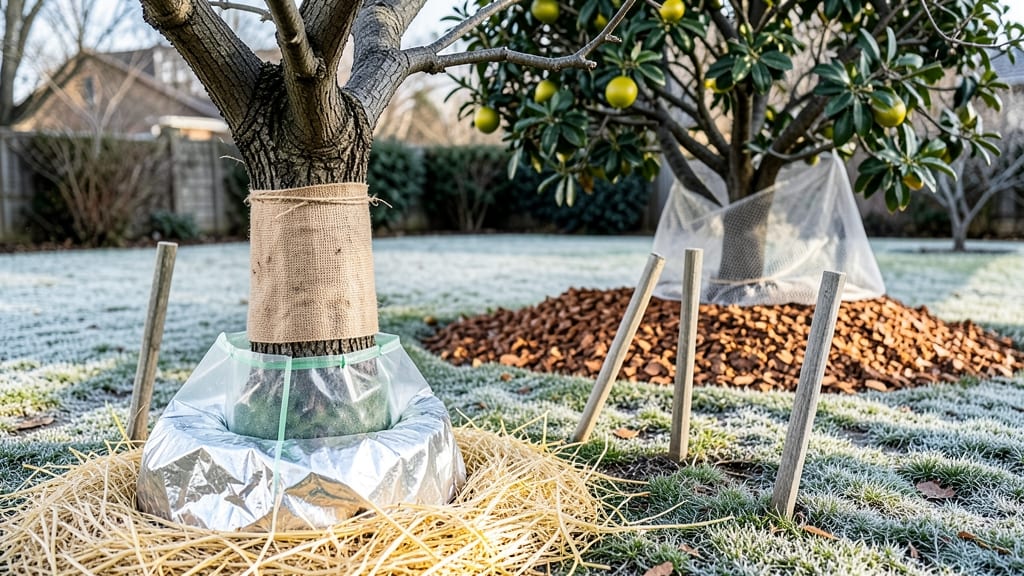
Fruit trees need winter protection that turns frost from a threat into just another season. 🌿 I've learned the hard way—last year's neglected peach tree split down the middle after a sudden freeze, and I refused to let that happen again.
The right shielding keeps roots warm, trunks intact, and branches from snapping under ice. Start with 3-4 inches of mulch around the base (but not touching the trunk) to insulate roots. Wrap young trunks with tree wrap or burlap to prevent sunscald, and stake tall trees to prevent wind damage.
Prune dead wood in late winter, but avoid heavy cuts that stress the tree before new growth begins. By spring, you'll see buds swelling earlier, stronger branches, and fewer frost cracks. The trees recover faster from dormancy, fruit production improves, and you avoid costly replacements after winter damage.
Works for apples, peaches, cherries, and even citrus in mild zones. Here's how to adapt for your climate—because every winter is different.
📚 In This Guide
- What you need
- Instructions
- Tips and common mistakes
- Wrapping up and next steps
What you need
- ● Burlap or landscape fabric: 10–20 ft per tree (depending on size). Opt for breathable material (30–50% shade cloth works well).
- ● Sturdy stakes or garden twine: 4–6 stakes (2–3 ft tall) or 50–100 ft of twine to secure wrapping.
- ● Tree wrap or paper mulch: 1–2 rolls (e.g., Tree Tubes or kraft paper). Avoid plastic—it can trap moisture and harm bark.
- ● Organic mulch: 2–4 inches of straw, wood chips, or leaves. Spread in a 3–4 ft diameter around the base (but not touching the trunk).
- ● Pruners or shears: Sharp, clean pair for trimming dead/damaged branches pre-winter.
- ● Watering can or hose: For a final deep watering before frost sets in.
- ● Anti-desiccant spray: (e.g., Wilt-Pruf) to prevent moisture loss in evergreens or thin-barked trees.
- ● Reflective bubble wrap: For extra insulation on young or delicate trees (e.g., citrus or peaches).
- ● Heat lamps or string lights: For microclimates in ultra-cold zones (e.g., patios or greenhouses).
- ● Soil conditioner: (e.g., compost) to improve drainage and warmth retention.
Step-by-Step instructions for shielding fruit trees from winter cold
Here's how I protect my fruit trees—tested through years of harsh winters and still thriving.
🪴 Step 1: Wrap the Trunk for Insulation
Start by wrapping the trunk of your fruit tree with tree wrap or burlap. I like to use tree wrap because it’s reusable and prevents sunscald damage in spring. Begin wrapping from the base of the trunk and work your way up to about 6 inches below the lowest branches. Overlap each piece by 2-3 inches to create a snug, continuous barrier.
Make sure the wrap is snug but not tight—you don’t want to restrict the tree’s growth. If you’re using burlap, secure it with twine or tape at the top to keep it in place. This layer acts like a cozy blanket, protecting the trunk from extreme temperature swings and frost cracks.
☀️ Step 2: Mulch the Base for Root Protection
Spread 3-4 inches of mulch around the base of the tree, keeping it 6 inches away from the trunk to prevent rot. I use shredded bark or straw because they break down slowly and add organic matter to the soil. Avoid piling mulch against the trunk—this can trap moisture and invite pests or disease.
Mulch helps insulate the roots from freezing temperatures and retains moisture in the soil. If you’re in a particularly cold climate, add an extra 2 inches of mulch for added protection. Wait until the ground is frozen before applying the final layer to prevent heat loss from the soil.
✂️ Step 3: Prune and Protect Branches
Before winter sets in, prune any dead, diseased, or crossing branches to reduce stress on the tree. I like to do this in late fall, giving the tree time to heal before the cold hits. Once pruning is done, wrap smaller branches with tree wrap or foam tubing to prevent them from snapping under heavy snow or ice.
For trees with delicate branches, like peaches or cherries, I also use tree guards or lightweight fabric wraps to shield them from wind and frost. Avoid using plastic or heavy materials—they can damage the bark or trap too much moisture.
💧 Step 4: Add a Windbreak for Extra Defense
If your fruit tree is exposed to strong winds, set up a temporary windbreak using burlap screens, snow fences, or even a row of evergreen shrubs. Position the windbreak on the north and west sides of the tree, where cold winds typically come from. This barrier reduces wind chill and helps retain heat around the tree.
For added protection, I sometimes mound soil or compost around the base of the tree up to 12 inches high on the windward side. This creates a natural barrier against cold air and snow drift. Just make sure to remove the mound in early spring before new growth starts.
⏰ Step 5: Monitor and Adjust Through Winter
Check your tree occasionally during winter to ensure the wraps and mulch are still in place. If heavy snow accumulates on branches, gently brush it off to prevent breakage. I also keep an eye out for ice dams forming on the branches—use a broom to carefully remove them before they cause damage.
If you notice any signs of stress, like cracked bark or wilting leaves in early spring, adjust your protection immediately. Most fruit trees are resilient, but a little extra care goes a long way in ensuring they bounce back strong come spring.
Tips & tricks for perfect fruit tree winter protection
These practical tips will help you shield your trees like a pro—no guesswork, just proven strategies for winter survival.
Material Selection Matters: For Step 1, avoid using plastic wraps—they trap moisture against the bark and can cause sunscald damage in spring. Tree wrap is my go-to because it’s breathable and reusable for multiple seasons. If you’re using burlap, make sure it’s undyed and free of pesticides, as some treated fabrics can harm the tree over time.
Mulch Depth Strategy: When applying the 3-4 inches of mulch in Step 2, remember that less is often more. Too much mulch can suffocate the roots, while too little won’t provide adequate insulation. For young trees or extremely cold climates, the extra 2 inches mentioned is worth it—but only after the ground has frozen to prevent heat loss from the soil.
Branch Protection Insight: In Step 3, focus on wrapping only the smaller, more delicate branches. Larger branches can handle some winter stress, but the smaller ones are more prone to snapping under snow and ice. Use foam tubing for branches under 1/2 inch in diameter—they’re lightweight and provide just the right amount of cushioning without restricting growth.
Windbreak Placement: For Step 4, position your windbreak on the north and west sides of the tree, where cold winds typically originate. If your yard has prevailing winds from other directions, adjust accordingly. A simple burlap screen or even a row of evergreen shrubs can make a surprising difference in protecting your tree from wind chill.
Pro Tips for Fruit Tree Winter Protection
- These practical tips will help you shield your trees like a pro—no guesswork, just proven strategies for winter survi...
- Material Selection Matters: For Step 1, avoid using plastic wraps—they trap moisture against the bark and can cause s...
- Mulch Depth Strategy: When applying the 3-4 inches of mulch in Step 2, remember that less is often more. Too much mul...
Frequently asked questions
Got questions about keeping your fruit trees cozy through winter? You’re not alone! Here are some of the most common concerns—and straightforward answers—to help you protect your trees like a pro.
When is the best time to start winter protection for fruit trees?
Start preparing your fruit trees for winter before the first hard frost—typically 4–6 weeks ahead. This gives you time to prune, wrap trunks, and apply mulch. For container-grown trees, move them to a sheltered spot or use frost cloths once nighttime temps drop below 25°F (-4°C).
Can I use burlap or plastic wrap to protect my fruit tree trunk?
Both work, but burlap is the better choice—it breathes, preventing moisture buildup that can rot bark. Plastic wrap traps cold air and can scorch the trunk. If you use plastic, leave a small gap at the top to allow airflow. For extra insulation, wrap the trunk with tree wrap or even old blankets.
What if my tree is already showing frost damage in spring?
Don’t panic! Prune out only dead or brown branches (they’ll be brittle and snap easily). Avoid heavy pruning—wait until late spring or summer to assess new growth. If damage is severe, fertilize lightly to help recovery, but avoid overdoing it, as weak trees are more vulnerable to pests.
Are there any fruit trees that don’t need winter protection?
Some trees, like apple, pear, and peach varieties labeled "cold-hardy" (e.g., ‘Honeycrisp’ apples or ‘Elberta’ peaches), can handle winters down to -20°F (-29°C) with minimal help. Others, like figs, citrus, or tropical fruit trees, always need winter protection—think frost blankets, greenhouses, or indoor pots.
Pro Tip: How can I tell if my tree is getting too much or too little protection?
Check for these signs:
- Too much: Mold, rot, or wet bark (over-mulching or trapped moisture).
- Too little: Cracked bark, dried leaves, or stunted growth in spring.
Wrapping up and next steps
Protecting your fruit trees from winter’s chill doesn’t have to be a daunting task—just a few thoughtful steps can ensure they thrive for seasons to come! 🌳 By choosing the right materials, timing your efforts wisely, and tailoring your approach to your climate, you’re giving your trees the best shot at bountiful harvests year after year.
Ready to put your plan into action? Start by inspecting your trees this fall and gathering supplies early—your future orchard will thank you!
Next step: Mark your calendar for early winter prep and take a walk through your garden to assess which trees need extra love. Happy gardening! 🌟