
Light Requirements
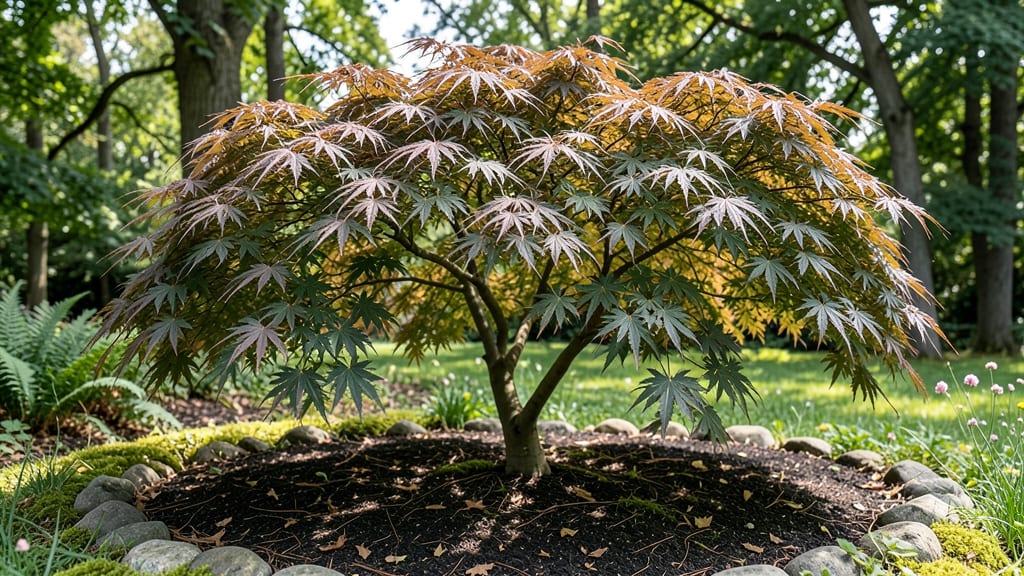
A tree with dark and light green leaves turns your yard into a living painting. 🌿 These variegated beauties—like the delicate lace-leaf Japanese maple or the bold Ginkgo—bring drama and texture without needing flowers or fruit.
The contrast isn’t just pretty; it’s a game-changer for garden structure, drawing eyes to entryways, borders, or that empty corner begging for attention.
Start with the right species for your space: dwarf varieties like Celtis sinensis 'Variegata' work for small yards, while larger Acer palmatum cultivars anchor big landscapes. Plant them where their light-and-shadow play catches morning or afternoon sun—never deep shade, where the variegation fades to plain green.
Pair them with deep purple foliage (like Cercis canadensis 'Forest Pansy') or silvery blue grasses (Miscanthus) to make the contrast pop even harder.
By summer, you’ll have a tree that looks stunning from every angle, with leaves that shimmer in sunlight and cast intricate shadows. In winter, the skeletal branches still hold visual weight, especially when backdropped by evergreens.
The care is simple: consistent watering, occasional pruning to shape, and avoiding heavy fertilizer that can dull the variegation.
Pro tip: Mulch with dark bark chips to deepen the contrast against lighter trunks. These trees thrive in well-drained soil and handle drought once established—perfect for low-maintenance drama. Now go find your garden’s new star.
📚 In This Guide
- What you need
- Instructions
- Tips and common mistakes
- Wrapping up and next steps
What you need
- ● Tree varieties: Choose from Ilex crenata ‘Sky Pencil’ (compact, glossy), Buxus ‘Green Velvet’ (dense, variegated), or Liquidambar styraciflua (bold fall color + year-round texture). 1-3 plants per garden bed.
- ● Well-draining potting mix: 50 lbs (for containers) or 1 cubic yard (for in-ground planting). Look for a blend with peat moss or coconut coir (30-40%) + perlite (20-30%).
- ● Slow-release fertilizer: 10-10-10 NPK ratio, 1 lb per tree (for planting) + granular 8-3-9 (½ cup per tree, spring/fall).
- ● Mulch: 3-4 inches of pine bark fines or shredded cedar (avoid dyed mulch—it’s bad for soil!).
- ● Digging tools: Trowel (for small pots)
- ● Shovel (for in-ground planting)
- ● Garden fork (to loosen compacted soil)
- ● Pruning tools: Bypass pruners (for clean cuts)
- ● Loppers (for thicker branches)
- ● Hand saw (for stubborn stems)
- ○ Optional (but helpful!): Soil pH tester (aim for 5.5–7.0)
- ● Drip irrigation kit (for consistent moisture)
- ● Tree stake + ties (for young/support-needy varieties)
- ● Check your USDA Hardiness Zone (most variegated trees thrive in Zones 5–9).
- ● Ensure 6+ hours of sunlight daily (partial shade works for some, but contrast fades without light!).
- ● Test soil drainage: Dig a 12-inch hole, fill with water—if it drains in
Step-by-step guide to planting and caring for a variegated tree
Here’s how to grow a striking variegated tree with bold dark and light green foliage—no matter your yard size.
🌱 Step 1: Select the Right Species for Your Climate
Variegated trees thrive in specific conditions, so choose wisely. For full sun gardens, Japanese maples (Acer palmatum) or variegated holly (Ilex crenata ‘Golden Glow’) deliver dramatic contrast. In partial shade, dwarf variegated fir (Abies concolor ‘Variegata’) or ornamental pear (Pyrus calleryana ‘Chanticleer’) shine. Check your USDA hardiness zone—most variegated trees prefer zones 5-9. I always verify the tree’s mature height (some dwarf varieties stay under 10 feet, while others reach 20+ feet).
Dig a hole twice as wide as the root ball but only as deep—planting too deep suffocates roots. Loosen the soil around the edges to encourage root spread. If your soil is heavy clay, amend the hole with compost to improve drainage. The key here is avoid compacted soil—variegated trees hate waterlogged roots, which can cause leaf scorch and stress.
☀️ Step 2: Position for Optimal Light and Airflow
Variegated trees need bright, indirect light to maintain their striking coloration—full sun can bleach the lighter leaves, while deep shade dulls the contrast. I place mine where they get morning sun and afternoon shade, especially in hot climates. South-facing spots work well in cooler regions, but always monitor for leaf burn (brown edges) or pale, washed-out variegation—both signal too much direct sun.
Ensure 3-5 feet of clearance from other plants or structures. Good airflow prevents fungal diseases like powdery mildew, which loves the humid microclimates created by crowded trees. If your yard is windy, choose a sheltered spot—variegated trees with delicate branches (like Japanese maples) can get damaged in storms.
💧 Step 3: Water Deeply and Mulch for Retention
Water deeply once a week (or more in 90°F+ heat) until the top 6 inches of soil feel moist. Variegated trees often have shallower root systems due to their ornamental growth, so they dry out faster than non-variegated species. I use a soaker hose to deliver water slowly at the base—this prevents runoff and encourages deep root growth. Avoid wetting the leaves, especially in humid climates, to reduce disease risk.
Spread 2-3 inches of mulch (wood chips or shredded bark) around the base, keeping it 6 inches away from the trunk. Mulch locks in moisture, regulates soil temperature, and suppresses weeds. Replenish it annually—decomposed mulch loses its effectiveness over time. Watch for mold or pest activity under the mulch; if it smells musty, refresh it immediately.
✂️ Step 4: Prune for Shape and Health Annually
Prune in late winter or early spring before new growth begins. Remove dead, diseased, or crossing branches first—these compete for energy and can spread infections. For structured variegated trees (like Japanese maples), I use clean, sharp pruners to shape them into a balanced, open canopy. Never remove more than 25% of the foliage in one session—this stresses the tree and can reduce variegation intensity.
Look for suckers (shoots growing from the base) and water sprouts (fast-growing vertical shoots). These divert energy from the main structure. Pinch them off at the base with sterilized pruners—this keeps the tree’s energy focused on its stunning variegated leaves. After pruning, apply a balanced fertilizer (10-10-10) to support new growth.
🌿 Step 5: Monitor and Adjust for Year-Round Contrast
Variegated trees often lose some contrast in winter due to lower light levels. If the leaves appear uniformly green, they’re not getting enough light—relocate or add a grow light for 12 hours daily in indoor containers. In summer, if the lighter variegation fades, it’s a sign of too much direct sun. Move the tree to a shadier spot or provide afternoon shade with a lightweight fabric shade cloth (30-50% block).
Fertilize twice a year—once in early spring (when buds form) and again in mid-summer (to sustain growth). Use a slow-release, organic fertilizer to avoid nutrient spikes that can burn roots. Watch for pests like spider mites or aphids, which love the tender new growth of variegated trees. A strong spray of water or neem oil usually clears them up before they cause damage.
Tips & tricks for perfect variegated tree planting and care
Real talk: The difference between a garden standout and a sad, fading variegated tree often comes down to these small but mighty details.
Species Selection Wisdom: When choosing your variegated tree, don't just grab the first one at the nursery. Acer palmatum varieties like 'Bloodgood' or 'Emperor I' maintain their dramatic color contrast even in partial shade, while Ilex crenata 'Golden Glow' thrives in full sun with minimal care. I always check the mature height—some dwarf varieties like Abies concolor 'Variegata' stay under 10 feet, perfect for small gardens, while others need the space for their 20-foot stature.
Planting Depth Matters: The hole should be twice as wide as the root ball but only as deep—planting too deep suffocates those delicate roots. I've seen too many variegated trees struggle because they were buried too deep. After planting, gently press the soil around the edges to eliminate air pockets, then water deeply to settle everything. This single step prevents the dreaded leaf scorch that comes from waterlogged roots.
Lighting Strategy: Variegated trees need bright, indirect light to maintain their stunning contrast. I position mine to get morning sun and afternoon shade—this prevents the lighter leaves from bleaching in harsh afternoon rays. In hot climates, watch for leaf burn (brown edges) as your first warning sign that the tree needs more shade. A lightweight fabric shade cloth (30-50% block) can be a lifesaver during peak summer heat.
Pruning Precision: When pruning in late winter or early spring, never remove more than 25% of the foliage in one session—this stresses the tree and can actually reduce that beautiful variegation intensity. I always sterilize my pruners with rubbing alcohol between cuts to prevent spreading diseases. For structured trees like Japanese maples, focus on creating an open canopy that allows light to penetrate all the leaves equally.
Pro Tips for Tree With Dark And Light Green Leaves
- Real talk: The difference between a garden standout and a sad, fading variegated tree often comes down to these small...
- Species Selection Wisdom: When choosing your variegated tree, don't just grab the first one at the nursery. Acer palm...
- Planting Depth Matters: The hole should be twice as wide as the root ball but only as deep—planting too deep suffocat...
Frequently asked questions
Got questions about that eye-catching tree with dark and light green leaves? You’re not alone! Here are some of the most common queries—and their answers—to help you make the most of your garden’s new star.
Why do some trees have leaves with two different shades of green?
This stunning contrast often happens due to variegation, where genetic mutations or viral infections create patches of lighter or darker chlorophyll. Some trees, like the Japanese maple or variegated holly, are bred for this effect, while others (like birch or dogwood) develop it naturally over time.
How long does it take for a tree with variegated leaves to show its full color?
Patience is key! Young trees may take 2–5 years to fully express their variegation, depending on the species. Some, like dwarf variegated boxwood, reveal their contrast within a year, while others need more time. Light exposure (more sun = bolder colors) and healthy soil speed up the process.
Can I grow a tree with dark and light green leaves in partial shade?
While full sun (6+ hours/day) brings out the brightest variegation, many of these trees thrive in partial shade (3–6 hours of light). Opt for shade-tolerant varieties like variegated oakleaf hydrangea or Japanese snowbell. Just avoid deep shade, which can dull the lighter foliage.
What should I do if my variegated tree’s leaves are turning all green?
This usually means too much shade or nutrient imbalance (like too much nitrogen). Try relocating the tree to a sunnier spot or pruning dense branches to improve airflow. If the issue persists, test your soil—variegated trees often need balanced fertilizer (low nitrogen) to maintain their contrast.
Are there any low-maintenance trees with variegated leaves?
Yes! If you want beauty with minimal effort, consider:
- Variegated hawthorn – Drought-tolerant and pest-resistant.
- Dwarf variegated boxwood – Compact and great for borders.
- Variegated smoke tree – Thrives in poor soil and handles heat.
Wrapping up and next steps
A tree with dark and light green leaves isn’t just a visual treat—it’s a year-round statement piece that adds depth, texture, and charm to any garden.
Whether you’re drawn to the striking contrast of Dappled Willow, the bold patterns of Variegated Holly, or the elegant simplicity of Japanese Maple, these trees bring effortless beauty with minimal fuss. 🌿
Ready to transform your outdoor space? Start by assessing your garden’s light conditions and soil type, then choose the perfect shade-loving variety. Plant with confidence—your future self (and your neighbors!) will thank you for the stunning focal point you’re creating.