
Pruning
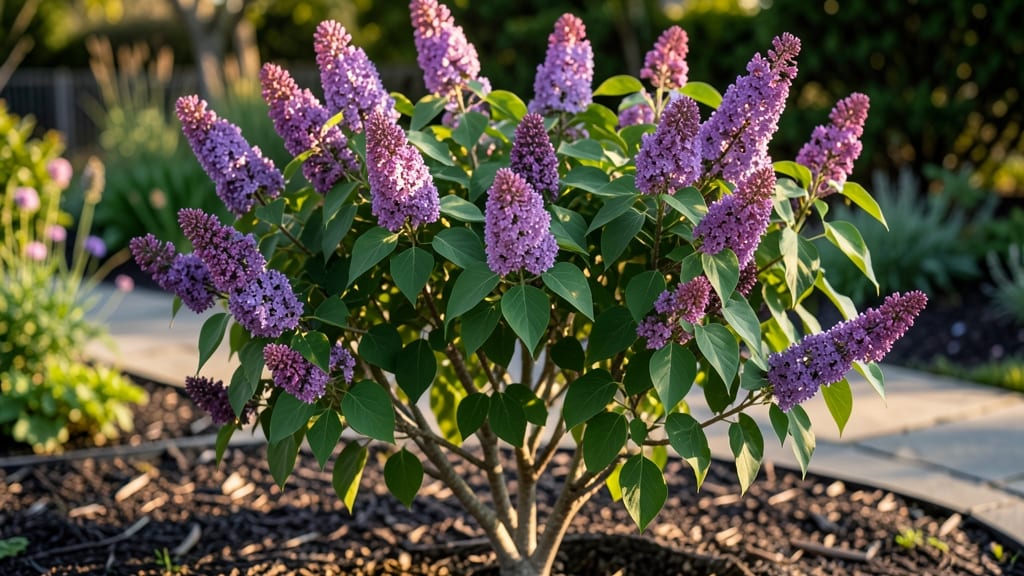
A lilac tree purple blooms transforms any yard into a fragrant dream. 🌸 I planted my first purple lilac last spring, and now it’s the star of my garden—its deep violet clusters drawing bees while its intoxicating scent lingers for weeks.
The right variety can bloom so heavily it looks like a cloud of lavender exploded across the branches.
These trees aren’t just pretty—they’re tough. Purple lilacs thrive in full sun or partial shade, handle drought once established, and even add winter interest with their peeling bark.
Pair them with silver foliage plants like lamb’s ear or dusty miller to make the blooms pop, or tuck them near patios where you can enjoy the fragrance up close.
With the right pruning, your purple lilac will stay compact and bushy, producing more blooms each year. Cut back old wood after flowering to encourage fresh growth, and watch as it rewards you with a showstopping display that lasts weeks.
The best part? These trees keep getting better with age.
Perfect for borders, focal points, or mixed shrub beds, purple lilacs bring color, scent, and structure to any garden design. Whether you’re planting one as a statement piece or lining a path with several, their beauty is impossible to ignore—and their fragrance is unforgettable.
📚 In This Guide
- What you need
- Instructions
- Tips and common mistakes
- Wrapping up and next steps
What you need
- ● Pruning shears – Bypass pruners (sharp, 6-8" blades) for clean cuts on small branches.
- ● Loppers – Bypass or anvil type (18-24" handles) for thicker branches (½"–1.5" diameter).
- ● Pruning saw – Curved-tooth or folding saw for branches over 1.5" thick.
- ● Garden gloves – Heavy-duty, cut-resistant (e.g., leather or reinforced fabric) to protect hands from thorns and sap.
- ○ Disinfectant (optional but recommended) – 70% isopropyl alcohol or bleach solution (1:9 ratio) to sterilize tools between cuts and prevent disease spread.
- ● Tarp or drop cloth – Medium-sized (6’x8’) to collect fallen branches and debris.
- ● Marking spray or ribbon – Bright-colored spray paint or floral tape to tag branches for removal (if needed).
- ● Weather check – Prune on a dry, overcast day (avoid wind or rain to prevent sap splatter and tool rust).
- ● Safety glasses – ANSI-rated to shield eyes from debris.
- ● Long sleeves/pants – Lightweight, breathable fabric to protect against scratches and sun exposure.
- ● Ladder or step stool – Sturdy, non-slip (if your lilac tree is over 6 feet tall).
- ● Water & snacks – Hydration breaks keep you energized for the job!
How to select and care for purple lilac trees
Here's the straightforward approach I use to grow fragrant, long-lasting purple lilacs that bloom reliably every year.
🌱 Step 1: Choose the Right Purple Lilac Variety
Start with a proven purple cultivar like 'Katherine Havemeyer' or 'Miss Alice Hooper'—both produce rich, fragrant blooms that outperform basic white lilacs. I always check the mature size tag (most purple varieties reach 6-10 feet tall) to ensure it fits your space. These varieties handle heat and humidity better than their white counterparts, which matters if you're not in a cool-spring climate.
Look for plants with multiple buds along the stems—this signals a tree that will produce dense, repeat blooms rather than a single flush. Avoid leggy specimens with sparse foliage; they'll struggle to recover. The best time to plant is late fall or early spring when roots can establish before summer heat arrives.
☀️ Step 2: Plant in Full Sun with Well-Draining Soil
Lilacs demand 6+ hours of direct sun daily—no compromise here. I plant mine where they get morning sun and afternoon shade in hot climates, but even then, they need at least half-day sun. Purple varieties tolerate heat better than whites, but afternoon shade prevents leaf scorch on younger plants.
Dig a hole twice as wide as the root ball but no deeper—lilacs hate having their roots buried too deep. Mix the excavated soil with 2 inches of compost (from your materials) to improve drainage without overwhelming the plant. Water deeply before planting to settle the soil and eliminate air pockets around roots.
💧 Step 3: Water Deeply and Mulch Properly
After planting, water once a week for the first month until the soil feels 6 inches deep and moist—not soggy. Purple lilacs are drought-tolerant once established, but young trees need consistent moisture. I use a 3-inch layer of mulch (like shredded bark) around the base, keeping it 6 inches away from the trunk to prevent rot.
Here's the thing—mulch too close to the trunk creates a moisture trap that invites fungal diseases. Replenish mulch annually in early spring before new growth begins. Avoid overwatering; lilacs hate wet feet and will drop buds if stressed. You'll know you're doing it right when the soil feels like a slightly damp sponge between waterings.
✂️ Step 4: Prune After Blooming for Next Year's Flowers
Prune lilacs immediately after flowering (usually late May to early June) to shape the tree and encourage next year's blooms. Remove dead or crossing branches first, then cut back old wood to just above a healthy bud. Never prune in fall—you'll remove next year's flower buds before they form.
For purple varieties, I make the cuts at a 45-degree angle about ¼ inch above the bud to prevent water from pooling. Avoid heavy pruning—lilacs bloom on last year's growth, so aggressive cuts reduce next season's flowers. You'll see new growth within 2-3 weeks if the pruning was done correctly.
🌿 Step 5: Fertilize and Monitor for Pests
Apply a balanced 10-10-10 fertilizer in early spring (before buds swell) using half the recommended dose—lilacs don't need much. I scatter the granules 6 inches from the trunk and water deeply to activate them. Purple varieties are less prone to borers than white lilacs, but watch for aphids on new shoots—they suck sap and weaken growth.
Spray affected areas with neem oil (mixed as directed) if you spot sticky residue on leaves. Lilacs rarely need pesticides, but aphids multiply fast in spring. A strong spray of water can dislodge them early on. Healthy purple lilacs develop dark green, glossy leaves—if yours look dull, they're thirsty or nutrient-deficient.
Tips & tricks for perfect purple lilac care
Here's what nobody tells you about keeping your purple lilacs thriving—these are the details that make all the difference between a pretty shrub and a showstopper.
Variety Selection Matters: When choosing your purple lilac, look for plants with multiple buds along the stems—this is your first sign of a tree that will produce dense, repeat blooms year after year. I always check for 6-10 feet mature height on the tag to ensure it fits my space. Purple varieties like 'Katherine Havemeyer' handle heat better than whites, but still need at least half-day sun—don't skimp on sunlight or you'll sacrifice those fragrant blooms.
Root Health is Everything: In Step 2, when digging that hole twice as wide as the root ball, don't go deeper than the root ball's depth—lilacs hate buried roots. After planting, I always water deeply to eliminate air pockets, then mix in 2 inches of compost to improve drainage. This prevents root rot while giving your tree the nutrients it needs to establish quickly.
Pruning Precision Pays Off: The timing in Step 4 is critical—prune immediately after flowering (late May to early June) to shape the tree and encourage next year's blooms. Make your cuts at a 45-degree angle about ¼ inch above a healthy bud—this prevents water pooling and fungal diseases. Avoid heavy pruning; lilacs bloom on last year's growth, so aggressive cuts mean fewer flowers next season.
Pest Prevention Starts Early: Purple lilacs are less prone to borers than whites, but watch for aphids on new shoots in spring. I spot them early by looking for sticky residue on leaves. A strong spray of water can dislodge them before they become a problem. For stubborn infestations, neem oil (mixed as directed) works wonders without harming the plant or beneficial insects.
Pro Tips for Lilac Tree Purple
- Here's what nobody tells you about keeping your purple lilacs thriving—these are the details that make all the differ...
- Variety Selection Matters: When choosing your purple lilac, look for plants with multiple buds along the stems—this i...
- Root Health is Everything: In Step 2, when digging that hole twice as wide as the root ball, don't go deeper than the...
Frequently asked questions
about lilac trees—especially those stunning purple varieties—can help you care for them like a pro. Here are answers to the most common queries!When is the best time to prune a purple lilac tree?
Prune your lilac tree right after blooming (late spring to early summer) to avoid cutting off next year’s flowers. Avoid heavy pruning in fall or winter, as lilacs bloom on old wood. For shaping, do light trims in late summer if needed—but never prune too late!
How do I encourage more purple blooms on my lilac?
Healthy blooms come from proper pruning, sunlight, and soil. Plant in full sun (6+ hours daily) and well-draining soil. Fertilize lightly in early spring with a balanced, low-nitrogen formula. Over-fertilizing can reduce flowers—so keep it moderate!
Are purple lilacs cold-hardy? Can they survive winter?
Most lilac varieties, including purple types like ‘Miss Kim’ or ‘Katherine Havemeyer’, thrive in USDA zones 3–7. They’re tough as nails! Mulch the base in late fall to protect roots, and avoid winter pruning—wait until spring for fresh growth.
Why aren’t my lilac flowers purple this year? Are they turning brown?
Brown or dull blooms often mean stress, disease, or pests. Check for powdery mildew (white coating) or aphids (sticky residue). Improve airflow by pruning dense branches, and water at the base (not leaves) to prevent fungal issues. A balanced fertilizer can also revive color!
Can I grow lilacs in containers? What’s the best purple variety for pots?
Yes! Dwarf varieties like ‘Little Darling’ or ‘Munstead’ (purple) do well in containers. Use a large pot (15+ gallons) with drainage holes, and repot every 2–3 years. Place in full sun, and water consistently—containers dry out faster than garden beds!
Wrapping up and next steps
Embrace the beauty of lilac trees—their lilac tree purple varieties bring fragrance and elegance to any garden year-round! With the right pruning techniques, you’ll keep them thriving, vibrant, and full of life. Whether you’re a seasoned gardener or just starting, these tips make maintenance simple and rewarding.
Ready to transform your outdoor space? Pick a variety that suits your climate, gather your tools, and get pruning! Your garden (and future visitors) will thank you for the stunning, fragrant display. 🌸✨