
Pruning
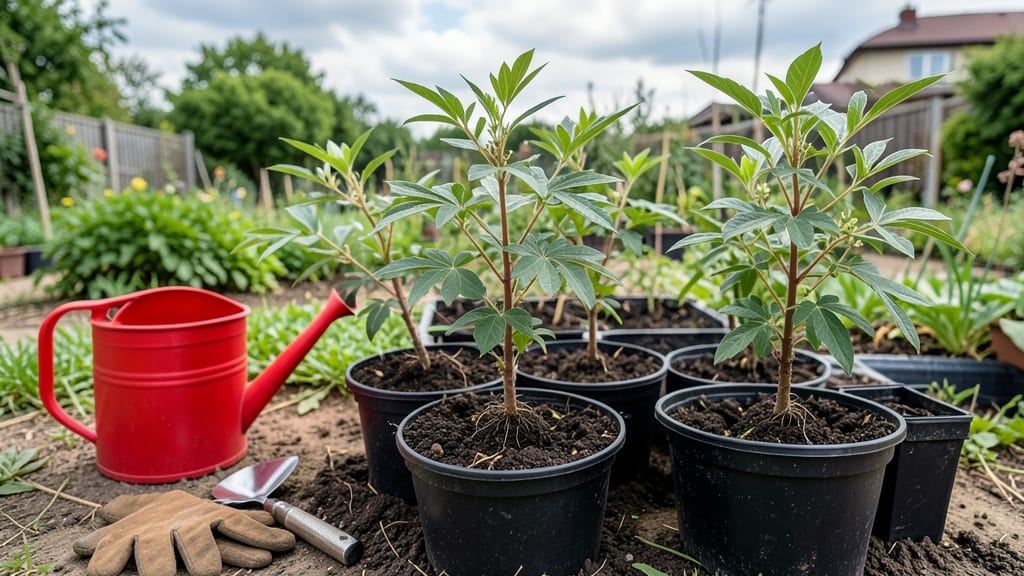
Growing carob tree seedlings from scratch is simpler than you think—especially when you start with fresh seeds and the right Mediterranean-style conditions. 🌱 I’ve nurtured dozens of these tough little saplings, and the secret lies in mimicking their natural habitat: well-draining soil, warm sun, and patience (they grow slower than you’d expect, but they’re worth it).
The soil mix matters most—carobs hate soggy roots, so blend equal parts sand, perlite, and potting soil for that perfect gritty texture. Plant seeds just ¼-inch deep in small pots, then keep them in a warm spot (70-80°F) until sprouts appear in 2-4 weeks.
Overwatering is the #1 killer, so let the top inch dry between drinks. By 6 months, you’ll have sturdy 12-inch saplings ready for the ground—just dig a hole twice as wide as the root ball and stake them for support.
They thrive in USDA Zones 8-11, but even in cooler climates, container growing works if you bring them indoors for winter. Here’s the kicker: carobs take 3-5 years to produce pods, but once they do, you’ll never buy chocolate again. The real reward?
Watching them grow from a tiny seed to a shade-providing giant in your yard.
📚 In This Guide
- What you need
- Instructions
- Tips and common mistakes
- Wrapping up and next steps
What you need
- ● Carob seeds: 5–10 fresh, plump seeds (harvested from ripe pods). Pro tip: 💡 Soak them overnight to soften the hard outer shell!
- ○ Seed-starting trays or small pots: 4–6 (3–4 inches deep) with drainage holes. Optional: Biodegradable peat pots for easy transplanting.
- ● High-quality potting mix: 2–3 bags of well-draining, sterile soil (e.g., cactus/succulent mix or a 50/50 blend of potting soil and perlite).
- ● Grow lights or sunny windowsill: Carob seedlings thrive in bright, indirect light (6+ hours daily).
- ● Spray bottle: For gentle watering (avoid oversaturating seeds).
- ● Small hand trowel or spoon: For planting seeds without crushing them.
- ● Plastic wrap or humidity dome: To create a mini greenhouse effect (remove once sprouts appear).
- ○ Fertilizer (optional): A balanced, diluted liquid fertilizer (e.g., 10-10-10) for seedlings after 4–6 weeks.
- ● Pruning shears (later stage): For shaping young saplings (sterilize with rubbing alcohol!).
- ● Patience! Carob seeds can take 2–4 weeks to germinate.
- ● A warm spot (70–80°F / 21–27°C) for optimal growth.
- ● Access to a well-ventilated space to prevent mold (especially with humidity domes).
How to grow carob tree seedlings from seed
Here's my straightforward method for nurturing carob seedlings into sturdy saplings ready for transplanting.
🌱 Step 1: Soak and Plant the Seeds
Carob seeds have a hard outer shell that slows germination. Soak them in lukewarm water for 24 hours first—this softens the coating and speeds up sprouting. Drain and let them sit overnight to prevent rot. I use a shallow dish with a paper towel to keep them contained.
After soaking, fill 4-inch pots with a mix of 50% potting soil and 50% perlite for excellent drainage. Plant each seed ½ inch deep, spacing them 2 inches apart in the pot. Press the soil gently around the seeds to ensure good contact.
💧 Step 2: Maintain Warmth and Moisture
Carob seeds need 75-85°F soil temperature to germinate. Place the pots on a seedling heat mat or in a warm spot like near a sunny window. Keep the soil consistently moist but never soggy—water when the top inch feels dry to the touch.
Cover the pots with a clear plastic dome or wrap them in plastic wrap to retain humidity. Check daily for condensation—if you see water droplets, remove the cover for 30 minutes to prevent fungal growth. Germination typically takes 2-4 weeks, so be patient.
☀️ Step 3: Provide Bright, Indirect Light
Once the first true leaves appear, remove the plastic cover and move the seedlings to a spot with bright, indirect light. A south-facing window works well, but avoid harsh midday sun, which can scorch delicate seedlings. If your home has low light, supplement with a grow light for 12-14 hours daily.
Rotate the pots a quarter turn weekly to ensure even growth. You’ll notice the seedlings growing taller and developing thicker stems. At this stage, fertilize lightly with a balanced liquid fertilizer diluted to half strength once a month to encourage strong root development.
🪴 Step 4: Harden Off and Transplant
When seedlings reach 6-8 inches tall and have 4-5 sets of leaves, they’re ready for hardening off. Start by placing them outside in a sheltered spot for 1-2 hours the first day, gradually increasing their time outdoors over 10-14 days. This helps them adjust to outdoor conditions.
Transplant the seedlings into larger 1-gallon pots or directly into the ground after the last frost. Choose a sunny location with well-draining soil. Water deeply after transplanting to help the roots establish. Carob trees thrive in full sun and warm climates, so they’ll need consistent care to grow into strong saplings.
Tips & tricks for perfect carob seedling growth
Here's what I've learned after watching dozens of carob seeds transform into thriving saplings—and how to avoid the common pitfalls along the way.
Soak Like a Pro: That 24-hour soak isn't just about softening the shell—it's about breaking the seed's natural dormancy. I like to change the lukewarm water after 12 hours to prevent bacterial growth while keeping the seeds hydrated. After draining, pat them dry with a paper towel before planting to prevent mold in the soil mix.
Soil Temperature is Non-Negotiable: The 75-85°F soil temperature range is critical for germination. If your home is cooler, place the pots on a seedling heat mat or even a sunny windowsill with a clear plastic wrap cover to create a mini greenhouse effect. I've seen germination rates drop dramatically when soil temps fall below 70°F—don't skip this step!
Light Transition Strategy: When moving seedlings from bright indirect light to direct sunlight during hardening off, do it gradually. Start with just 1-2 hours of morning sun on the first day, then increase by 30 minutes daily. Sudden exposure can cause leaf burn, and carob seedlings are particularly sensitive to this. Think of it like sunbathing—you wouldn't go from zero to full sun in one day!
Fertilizer Timing Matters: Wait until you see those first true leaves before introducing any fertilizer. The diluted balanced liquid fertilizer should only be applied once a month during the seedling stage—over-fertilizing can burn delicate roots. I use a spray bottle for even distribution, making sure to water the soil first to prevent salt buildup.
Pro Tips for Carob Tree Seedlings
- Here's what I've learned after watching dozens of carob seeds transform into thriving saplings—and how to avoid the c...
- Soak Like a Pro: That 24-hour soak isn't just about softening the shell—it's about breaking the seed's natural dorman...
- Soil Temperature is Non-Negotiable: The 75-85°F soil temperature range is critical for germination. If your home is c...
Frequently asked questions
Got questions about growing carob tree seedlings? You're not alone!
Here are answers to the most common queries—from planting tips to troubleshooting—so you can nurture your saplings with confidence.
How deep should I plant carob tree seedlings?
Plant seedlings 1.5 to 2 times deeper than their root ball (about 6–8 inches deep for small saplings). This encourages strong root development while keeping the soil level just below the top of the seedling’s stem. Avoid burying the graft union (if applicable) too deep—it should stay above ground.
How long does it take for carob tree seedlings to grow?
Carob trees grow slowly at first—expect 1–2 feet per year in ideal conditions. Dwarf varieties may bear pods in 3–5 years, while standard trees take 5–10 years. Patience pays off: mature trees (15+ years) produce the sweetest, most abundant harvest!
Why are my carob seedlings wilting even with regular watering?
Wilting often signals overwatering or poor drainage. Carob trees hate soggy roots! Ensure soil drains well (sandy loam is ideal) and water deeply but infrequently—about 1–2 inches per week. If wilting persists, check for root rot or pests like aphids, which stress seedlings.
Can I grow carob trees from seeds instead of seedlings?
Yes, but seedlings take longer to fruit (10+ years vs. 3–5 for grafted saplings). Seeds from store-bought pods may not yield true-to-type trees. For faster, reliable results, opt for nursery-bought seedlings or grafted varieties like "Aegina" or "Cypriot."
What’s the best climate for carob tree seedlings?
Carob trees thrive in USDA Zones 8–11 with full sun (6+ hours daily) and drought-tolerant soil. Young seedlings need protection from frost (below 20°F) and heatwaves (above 100°F). Mulch helps regulate soil temperature—ideal range: 60–85°F.
How do I prune carob seedlings to encourage growth?
Prune lightly in late winter to shape the tree and remove dead/diseased branches. Focus on open canopy growth—cut back overcrowded branches by 1/3 to improve airflow. Avoid heavy pruning; carob trees respond best to minimal, strategic trims.
Wrapping up and next steps
Growing carob tree seedlings from seed to sapling is a rewarding journey that connects you to nature’s resilience and sweetness! 🌱 With the right tools, patience, and care, you’ll nurture a thriving tree that offers shade, beauty, and even delicious pods in time.
Whether you’re a beginner or a seasoned gardener, every step—from soaking seeds to pruning young shoots—builds confidence and deepens your green thumb.
Ready to take the next step? Plant your first seed today! Start small, stay consistent, and watch your carob tree grow into a stunning addition to your garden. Happy planting! 🌿✨