
How To
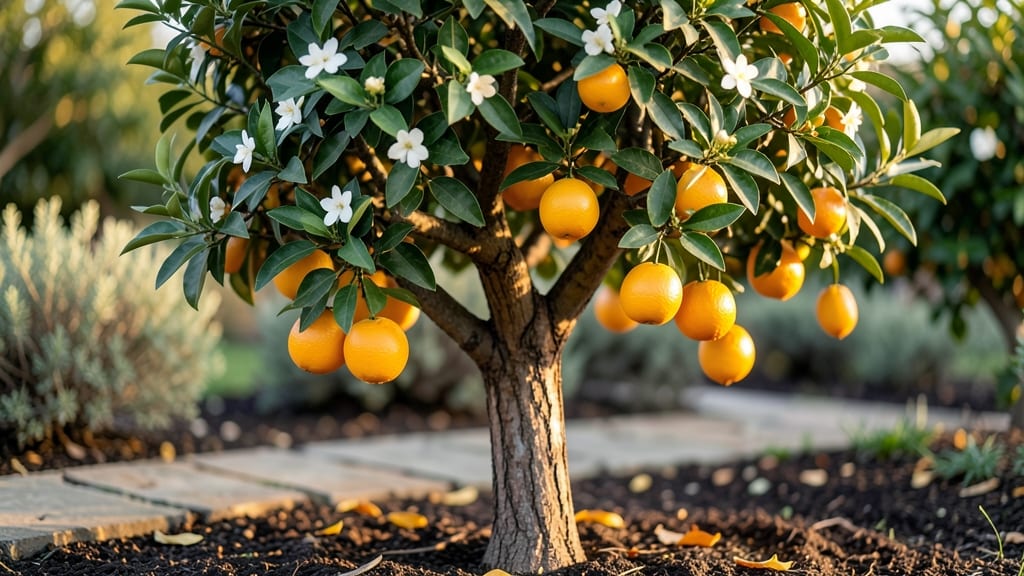
Tangerine trees can grow anywhere from 6 to 20 feet tall 🍊, depending on the variety and growing conditions, so choosing the right size for your space is everything.
Dreaming of fresh tangerines but worried your backyard—or even balcony—isn’t big enough? The height of your tangerine tree could make or break your citrus-growing plans, and choosing the right variety is the key to maximizing space without sacrificing fruit.
Standard varieties like the classic Dancy can tower toward 20 feet, while dwarf types like 'Flying Dragon' stay under 3 feet. That difference isn’t just about aesthetics—it affects everything from planting distance to container size, and even how much fruit you’ll harvest each season.
Below, I’ll break down the height ranges for both dwarf and standard tangerine trees, share tips for controlling growth, and help you decide which size fits your garden—or even your windowsill—perfectly.


Standard tangerine tree heights: what to expect from full-size varieties
If you're dreaming of a backyard bursting with homegrown tangerines, understanding standard tangerine tree heights is your first step. Most full-size varieties reach 10 to 20 feet tall at maturity, towering like small citrus sentinels in your landscape.
But not all tangerines grow the same—some varieties stay compact, while others stretch toward the sky, requiring careful planning for sunlight and space.
Choosing the right variety depends on your space and goals. Dancy tangerines, for example, are classic full-size trees that can reach 15 to 20 feet, while Clementines and Sunburst tangerines typically max out around 10 to 15 feet.
These heights might seem daunting, but with proper spacing and pruning, you can keep your tree manageable while still enjoying a bountiful harvest.
Here’s a quick comparison to help you visualize: a standard tangerine tree at 15 feet tall is roughly the height of a basketball hoop, while a 20-foot tree is closer to the height of a two-story house.
That’s why planting them near your home’s foundation or under power lines is a big no-no—citrus trees need room to breathe and access to full sun for optimal fruit production.
Below, you’ll find a detailed breakdown of mature heights for popular tangerine varieties, along with their growth rates and space requirements. This will help you decide whether your backyard—or even a large container—can accommodate your citrus dreams.
🌱
As you can see, Dancy and Minneola varieties are the tallest, often requiring 20 feet of vertical space and even more in diameter for proper airflow. This makes them better suited for rural properties or large gardens.
On the other hand, Clementines and Sunburst tangerines are more adaptable to suburban backyards, fitting neatly into spaces as small as 10 feet in diameter.
When planning your tangerine tree placement, consider not just the tree’s height but also its canopy spread. A full-size tree can easily spread 10 to 15 feet wide, so planting it too close to fences, walls, or other trees can stunt its growth or invite pests.
Always aim for at least 10 feet of clearance on all sides to ensure your tree thrives and produces fruit abundantly.
Another critical factor is sunlight exposure. Tangerine trees are sun worshippers, needing 6 to 8 hours of direct sunlight daily to grow strong and bear fruit. If your yard has shady spots, consider a dwarf variety or a container-grown tree that you can move to sunnier locations.
Without enough light, your tree may grow leggy, produce fewer fruits, or even fail to flower altogether.
For those in USDA Zones 9–11, where tangerine trees thrive year-round, growth rates can be 1 to 2 feet per year in ideal conditions. In cooler zones (like Zone 8), growth may slow, and trees might need winter protection.
Regardless of your climate, pruning in late winter helps control height and shape while encouraging fruit-bearing branches.
If you’re unsure whether your space can accommodate a full-size tangerine tree, start with a young sapling and monitor its growth. Many nurseries sell 3- to 5-foot-tall trees that give you a head start, allowing you to assess how much space the tree will need before it fully matures.
Remember, a tree planted today could be a 20-foot giant in just a
Dwarf tangerine trees: compact solutions for small spaces and containers
If you love the idea of homegrown tangerines but lack yard space, dwarf varieties are your best bet. These little powerhouses mature between 12–24 inches tall, making them perfect for containers, patios, or even sunny windowsills.
The key is selecting the right variety—like 'Flying Dragon' or 'Calamondin'—and giving them the right care to thrive in tight spaces.
Unlike their full-size cousins that tower over 10–20 feet, dwarf tangerine trees stay manageable while still producing abundant fruit. Their compact size means you can grow them in 5-gallon pots or larger, even on balconies or decks.
The trade-off? They require diligent pruning and container-specific care to maximize fruit production without outgrowing their space.
Comparison of dwarf tangerine varieties and their care requirements:
| Variety | Mature Height | Best For | Container Size | Fruit Size |
|---|---|---|---|---|
| 'Flying Dragon' | 12–18" | Balconies, patios | 5–10 gallons | Small, tart |
| 'Calamondin' | 18–24" | Indoor/outdoor | 10–15 gallons | Tiny, sweet-tart |
| 'Dwarf Ponkan' | 20–24" | Large containers | 15+ gallons | Medium, juicy |
| 'Meyer Lemon' (hybrid) | 15–20" | Kitchens, greenhouses | 7–10 gallons | Large, sweet |
For container growing, choose a pot with drainage holes and use a well-draining citrus mix. These trees need 6+ hours of sunlight daily, so place them in the sunniest spot you can find.
Water when the top 1–2 inches of soil dry out, and fertilize every 6–8 weeks during growing season with a balanced citrus fertilizer.
To encourage fruit production, prune your dwarf tangerine tree in late winter or early spring before new growth begins. Remove any dead or crossing branches and thin out overcrowded areas to improve airflow.
You can also shape the tree into a single trunk or bushy form—just avoid cutting into old wood, as it won’t regrow.
With the right variety and care, your dwarf tangerine tree will reward you with years of fresh fruit in the smallest of spaces. Whether you’re growing on a balcony, patio, or windowsill, these compact citrus trees prove that big flavor doesn’t need big space.