
Diseases
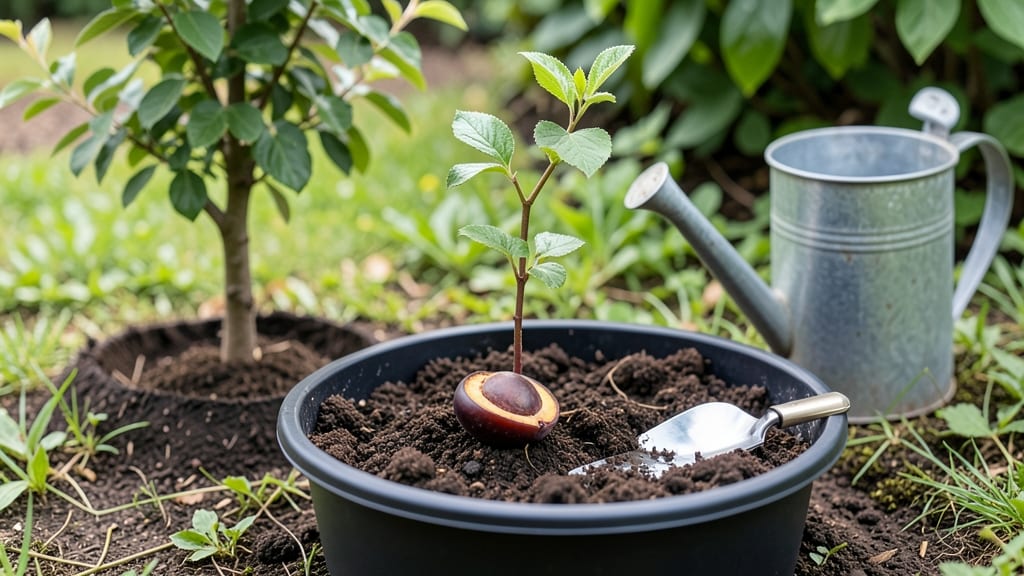
Growing a plum tree from a plum seed is possible but unpredictable: seeds often produce wild, non-fruit-bearing trees due to genetic variability, with germination rates as low as 10-30%. Patience and proper stratification are key for success, though grafted nursery trees yield consistent fruit varieties.
While you can grow a plum tree from a seed, the results are rarely what gardeners expect. 🌱 The seeds you save from store-bought plums often sprout into wild-type trees that bear small, tart fruit—or no fruit at all—because they inherit traits from both parent trees.
This genetic unpredictability is why professional growers prefer grafting cultivated varieties onto rootstock. For best results, start with seeds from heirloom or wild plum varieties known for better germination rates, and be prepared for a 3-6 month wait before seedlings even emerge.
What's fascinating is how this process mirrors nature's own experimentation. Many wild plum trees thrive with fewer resources than cultivated ones, producing hardier but less palatable fruit.
This resilience can be advantageous if you're aiming for a low-maintenance tree, but if you want reliable, flavorful plums, nursery-grown trees remain the gold standard.
💡 In This Article
- Why Plum Seeds Rarely Yield Fruitful Trees
- Step-by-Step Plum Seed Germination Guide
Why plum seeds rarely yield fruitful trees
Plum seeds carry genetic traits from two parent trees, creating what botanists call "heterozygous" offspring.
This means your seedling could inherit completely different characteristics than the fruit-bearing tree you saved seeds from. 🌱 For example, a sweet, juicy 'Santa Rosa' plum might produce a seedling that bears tiny, tart berries—or no fruit at all—because wild plum varieties often have different pollination requirements.
The fruit quality gap between seed-grown and grafted trees is staggering: commercial varieties produce 50-70% larger plums with consistent flavor, while seed-grown trees might yield 1-2 inch wild plums that resemble cherries more than the plums you're familiar with.
The science behind this lies in plum tree genetics. Cultivated plum varieties have been selectively bred for thousands of years to produce sweet, large fruit that ripens uniformly.
When you grow from seed, you're essentially rolling the genetic dice—your tree might inherit disease resistance from one parent but poor fruit quality from another. 🍑 This is why professional orchards use grafting: it ensures the scion (fruit-bearing top) maintains the exact traits of the parent tree while benefiting from the rootstock's hardiness.
The trade-off? Wild plum trees often survive harsher conditions with fewer pests, making them fascinating for ecological gardens but impractical for home fruit production.
Another key factor is dormancy. Plum seeds require a process called stratification—a cold period that mimics winter—to break their dormancy and trigger germination. Without this, seeds might take years to sprout or never germinate at all.
Nature uses this mechanism to ensure seeds only grow when conditions are right, but for gardeners, it means you need to plan ahead. 🌡️ Most plum seeds need 60-90 days of cold stratification at 34-41°F (similar to a refrigerator's crisper drawer) before planting.
This cold period helps regulate the seed's internal hormones, preparing it for growth when spring arrives.
Even when seeds do germinate, the resulting trees often have weaker structures than grafted varieties. Wild plum trees typically grow 15-25 feet tall with thinner branches that can snap under fruit weight, while cultivated trees are bred for stronger wood and better branch angles to support heavy crops.
The fruit itself may also ripen weeks earlier or later than expected, making harvest timing unpredictable. This is why many gardeners who attempt seed-growing end up disappointed—they're not getting the reliable, high-quality fruit they envisioned.
What most people don't realize is how this genetic variability actually benefits ecosystems. Wild plum trees often serve as pioneer species, establishing themselves in disturbed areas and providing food for wildlife.
Their smaller fruit might not be ideal for humans, but they're perfectly adapted for birds and small mammals that help disperse seeds. 🌿 This ecological role is one reason why some gardeners intentionally grow plum trees from seed—not for fruit, but to create wildlife-friendly habitats.
The trade-off between reliable fruit production and ecological benefits is what makes plum seed growing such an interesting (if unpredictable) endeavor.