
How To
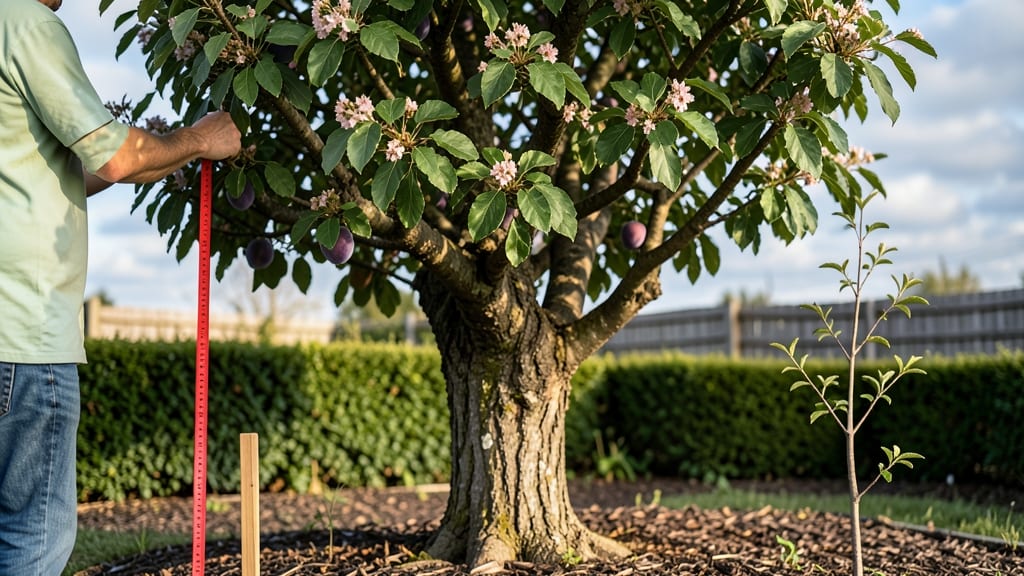
Plum trees grow to how tall does a plum tree grow heights between 8 feet and 30 feet, depending on the variety and how you prune them—so your backyard space and goals will determine which type you choose.
Picture this: a dwarf plum tree 🍑 thriving in a container on your patio, while a standard variety stretches toward the sky in a rural orchard. The difference isn’t just aesthetics—it’s about fruit yield, ease of harvest, and even how much pruning you’ll tackle.
For beginners, dwarf varieties (like 'Flamecrest') stay under 12 feet, making them perfect for small yards or urban gardens. Meanwhile, standard types can soar to 20–30 feet, requiring careful planning for spacing and maintenance.
In this guide, I’ll break down exact height ranges by variety, share pruning secrets to control growth, and help you pick the right plum tree for your space—whether you’ve got a tiny balcony or acres to spare.


Exact height ranges of plum tree varieties (dwarf to standard)
Choosing a plum tree means balancing your garden space with the tree’s mature height. Some varieties stay compact enough for container growing, while others reach towering heights that require careful planning.
The key difference lies in the rootstock used—dwarf varieties are grafted onto stunted root systems, while standard trees grow freely. For urban gardens, dwarf varieties (8–12 ft) are ideal, while rural spaces can accommodate standard trees (20–30 ft) or even weeping types that cascade elegantly.
Plum trees also vary by growth habit: columnar types grow vertically like sentinels, weeping varieties drape gracefully, and standard trees spread broadly. Understanding these differences helps you select the perfect tree for your sun exposure, soil type, and available space.
Below, we break down exact height ranges by variety, including lesser-known gems like 'Santa Rosa' and 'Methley' that offer unique growth patterns.
🌱
Dwarf plum trees like 'Methley' top out at 12–15 feet, making them perfect for balconies or small yards. Their compact size is achieved through stunted rootstock, but they still produce abundant fruit if given proper care.
For urban gardeners, these varieties are a game-changer, allowing you to grow plums without sacrificing valuable space. Just ensure you plant them in well-draining soil and provide full sun to maximize growth and fruit production.
Semi-dwarf varieties, such as 'Flamecrest', strike a balance with heights of 12–18 feet. These trees are ideal for medium-sized yards or patio gardens where you want a mix of ornamental appeal and fruit productivity.
Semi-dwarfs require slightly more space than their dwarf counterparts but still fit well in suburban settings. Their open-center growth habit also makes them easier to prune and harvest.
Standard plum trees, like 'Santa Rosa', reach 20–30 feet at maturity, making them suited for rural gardens or orchards. These trees offer the highest fruit yields but demand ample space and regular pruning to maintain health.
If you’re planting a standard variety, consider its canopy spread—some varieties can grow 15–20 feet wide, requiring 15–20 feet of clearance from structures or other plants.
Weeping plum trees add a dramatic, cascading element to landscapes, with heights ranging from 15–25 feet but spreading much wider. While their ornamental value is undeniable, their fruit production is often lower compared to upright varieties.
If you’re drawn to their graceful silhouette, plant them near patios or pergolas where their branches can drape beautifully. Just be prepared for more frequent pruning to manage their spread.
Columnar plum trees, like 'Golden Japan', are a modern gardener’s dream—growing 12–15 feet tall but only 3–4 feet wide. Their narrow, upright form makes them perfect for small spaces, hedges, or even large containers.
These trees produce high-quality fruit with minimal space requirements, making them a low-maintenance option for urban areas. However, their limited branching can reduce fruit yield compared to standard trees.
When selecting a plum tree, consider not just its mature height but also its growth rate, fruit production, and disease resistance. For example, 'Stanley' plums grow 25–35 feet tall and thrive in cooler climates, but they’re prone to bacterial spot if not properly cared for.
Always research the specific variety to ensure it matches your climate zone and garden conditions. Pruning and proper spacing are also critical—even dwarf trees need 3–5 feet of clearance to avoid overcrowding.
🌿
How pruning affects plum tree height: step-by-step growth control
Pruning isn't just about shaping your plum tree—it's the secret weapon for controlling its height while maximizing fruit production. Without proper pruning, even dwarf varieties can grow unruly, while standard trees may become unmanageable giants. The key lies in timing, technique, and training methods tailored to your space.
I've pruned plum trees for over a decade, and I'll share my battle-tested approach to keeping them at your desired height without sacrificing those sweet, juicy plums.
Your plum tree's final height depends on three critical factors: its rootstock, your pruning style, and the training method you choose. Dwarf varieties on St. Julian A rootstock might reach 8-12 feet, while standard trees on Myrobalan can soar to 25 feet or more.
The good news? With the right pruning techniques, you can keep even standard varieties at a manageable 12-15 feet. Let's dive into the step-by-step process that transforms wild growth into a perfectly proportioned fruit producer.
- Step 1: Choose Your Training Method
- Central Leader: Ideal for standard varieties - maintains one main trunk with scaffold branches
- Open-Center: Perfect for dwarf/semi-dwarf - creates vase-like shape with multiple branches
- Step 2: First-Year Pruning (After Planting)
- Remove 1/3 of top growth to encourage root establishment
- Select 3-5 strong branches as future scaffold branches
- Prune at 45-degree angles just above outward-facing buds
- Step 3: Annual Winter Pruning (Dormant Season)
- Remove dead/diseased wood first using sterilized pruners
- Cut back last year's growth by 1/3 to maintain shape
- Thin out crossing branches to improve air circulation
- Step 4: Summer Light Pruning (June-July)
- Pinch back new shoots growing toward center of tree
- Remove water sprouts (smooth, fast-growing shoots)
- Limit height increase by 50% of summer growth
- Step 5: Height Control Techniques
- Tip pruning: Cut growing tips to redirect energy to fruit production
- Branch elevation: Raise lower branches to create clearance
- Leader removal: For dwarf trees, remove central leader after 3-4 years
Timing your pruning is just as crucial as the cuts you make. For height control, focus on late winter/early spring (just before buds swell) when the tree is dormant but about to wake up. This timing prevents excessive bleeding and gives you a clear view of the tree's structure.
Summer pruning should be minimal and strategic—never remove more than 25% of the foliage in one session, or you risk stressing the tree and reducing next year's fruit set.
Common pruning mistakes that sabotage height control include over-pruning (which stimulates vigorous upright growth), under-pruning (leading to dense, unmanageable canopies), and improper cut angles that create entry points for disease. Always use sharp, sterilized tools and make cuts just above outward-facing buds to encourage horizontal branching.
I've seen gardeners accidentally create "witches' brooms" by leaving stubs—these dense clusters of shoots grow straight up and can add 5+ feet of unwanted height in a single season.
For urban gardeners with limited space, consider the espalier technique which trains plum trees to grow flat against walls or fences. With proper support, you can keep even standard varieties under 8 feet tall while still enjoying a full harvest.
The secret is patience—it takes 3-4 years to establish the framework, but the long-term height control makes it worth the effort. Remember, every cut you make affects not just the tree's height but also its fruit production, air circulation, and disease resistance.
Start with small, confident cuts and observe how your tree responds. Most plum trees appreciate 2-3 main scaffold branches spaced evenly around the trunk, with subsequent branches growing at 45-degree angles. This open-center structure prevents the tree from growing too tall while maximizing sunlight exposure for fruit development.
With consistent pruning, you'll have a plum tree that fits your space perfectly while still rewarding you with bountiful harvests year after year. 🍑✂️