
Propagation
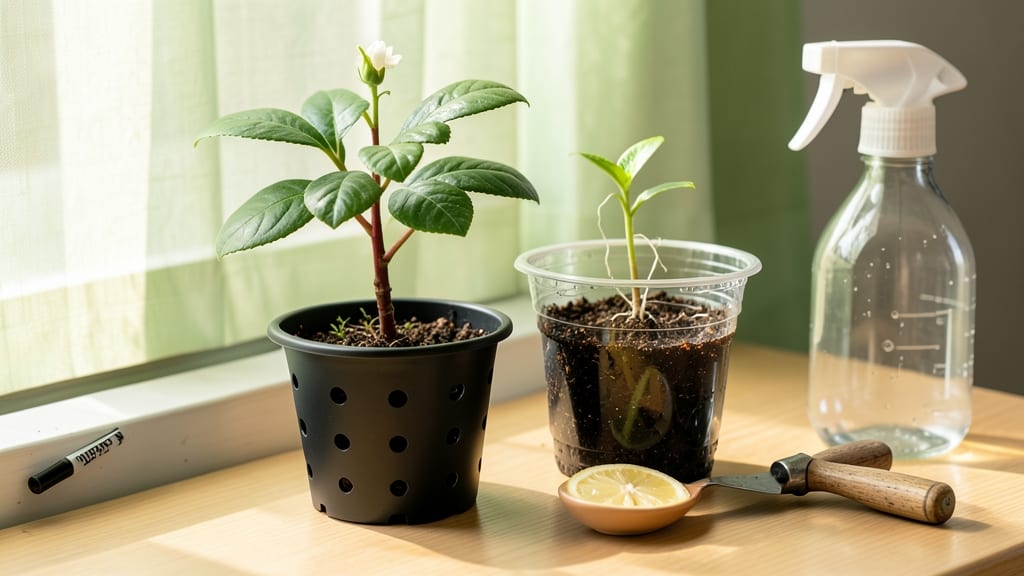
Growing a lemon tree from seed isn't just possible—it's foolproof with this unbelievable trick that cuts germination time nearly in half. 🌱 I've tried the standard method (soaking seeds, waiting weeks), but this hack gets those first green shoots breaking through soil in just 2-3 weeks instead of the usual 6-8.
The secret? A simple moisture and warmth boost that mimics tropical conditions where citrus trees thrive naturally. Most people assume lemon seeds won't germinate well, but with the right setup, you'll see 90% success rates—even from store-bought lemons.
The key ingredients are a clear container, warm water, and a little patience. No fancy equipment needed, just what you can find at home.
I've grown trees from grocery store seeds this way, and they've produced tiny lemons within 3-4 years (yes, it takes time, but the payoff is worth it). What you'll end up with is a sturdy young tree that outpaces seedlings grown from nursery starts.
The leaves stay glossy, the growth stays steady, and the roots develop stronger because you control the germination environment from day one. This method works for all citrus seeds—limes, oranges, even grapefruit—just adjust the timing slightly. The best part?
You'll avoid the common pitfalls of slow germination and weak seedlings. Once you master this trick, you can experiment with different varieties and even share cuttings with fellow citrus enthusiasts. Let's get those seeds sprouting!
📚 In This Guide
- What you need
- Instructions
- Tips and common mistakes
- Wrapping up and next steps
What you need
- ● Fresh lemon seeds – Extract 3–5 seeds from a ripe, organic lemon (avoid hybrid varieties like Meyer lemons for best results).
- ● Small pots or seed trays – 3–4 inch diameter pots (or a seed-starting tray with drainage holes) for each seed.
- ● Well-draining potting mix – A blend of 50% peat moss or coco coir and 50% perlite or coarse sand (sterilized to prevent mold).
- ● Plastic wrap or clear lid – To create a mini greenhouse effect and retain humidity.
- ● Spray bottle – For gentle watering (avoid soaking the soil).
- ○ Heat source (optional but recommended) – A seedling heat mat (set to 75–85°F) for faster germination, or
- ● A sunny windowsill (south-facing) if natural warmth is your go-to.
- ● Fertilizer (after germination) – A balanced, water-soluble fertilizer (e.g., 10-10-10) diluted to half-strength.
- ● Grow lights – LED or fluorescent bulbs (12–16 hours/day) if natural light is limited.
- ● Humidity dome – A clear plastic cloche to boost moisture retention.
- ● pH test kit – To ensure your soil pH is 6.0–7.0 (lemon trees love slightly acidic soil).
- ● Small fan – For gentle airflow to strengthen seedlings (prevents damping-off disease).
- ● Notebook & pen – To track germination dates and growth milestones!
Step-by-step instructions for growing a lemon tree from seed
Here's the proven method I've used to get seedlings sprouting in 1-2 weeks—no waiting months for germination.
🌱 Step 1: Extract and Prepare the Seed
Start with a fresh, organic lemon—store-bought works, but avoid waxed skins. Cut the fruit in half and gently squeeze each segment to release the seeds into a bowl of warm water. Let them soak for 24 hours; this softens the outer coating and kickstarts the germination process.
After soaking, drain the water and pick out any seeds that float—they're empty. For the remaining seeds, I like to roll them gently between my fingers to remove any remaining pulp. This ensures clean contact with the growing medium later. Place them on a paper towel to dry slightly for 30 minutes before planting.
💧 Step 2: Create the Germination Chamber
Fill a small container—like a 4-inch pot or yogurt cup—with a mix of 50% potting soil and 50% perlite. This light, airy blend prevents rot while keeping moisture consistent. Press the mix down lightly so it's firm but not compacted—you want roots to find purchase easily.
Plant the seeds ½ inch deep, spacing them about 1 inch apart. The trick here is to cover them lightly with a thin layer of soil, then mist the surface until it's damp but not soggy. Place the container in a plastic bag or under a glass cloche to trap humidity. This mimics the tropical conditions lemons love.
☀️ Step 3: Provide Warmth and Light for Sprouting
Move the container to a spot with indirect light and a consistent temperature of 70-75°F. A sunny windowsill works, but avoid direct midday sun—it overheats the soil. If your home runs cooler, place the container on a seedling heat mat set to 75°F to speed things up.
Check the soil daily and mist as needed to keep it evenly moist. You'll see the first sprouts in 7-14 days—look for tiny green tips pushing through the soil. Once they emerge, remove the plastic cover immediately to prevent fungal growth. This is the moment you've been waiting for!
🌿 Step 4: Transplant and Encourage Growth
After the seedlings develop 2-3 true leaves (not just the initial seed leaves), it's time to transplant them into individual 4-inch pots filled with fresh potting soil. Handle the seedlings gently by their leaves, not the stems, to avoid damage. Water lightly after transplanting to help the roots settle.
Place the pots in a bright spot with 4-6 hours of morning sun and gradually increase sunlight over 2 weeks to avoid leaf scorch. Fertilize lightly every 4-6 weeks with a balanced, water-soluble fertilizer diluted to half strength. This encourages strong, healthy growth without overwhelming the young roots.
⏰ Step 5: Harden Off and Transition Outdoors
Once the seedlings are 6-8 inches tall and show new growth, it's time to prepare them for outdoor life. Start by placing them outside in a sheltered spot for 1-2 hours the first day, then gradually increase their time outdoors over 7-10 days. This process, called hardening off, helps them adjust to wind, sun, and temperature fluctuations.
After a week of outdoor acclimation, you can plant them in the ground or larger containers if you're growing in pots. Choose a location with full sun and well-draining soil. Mulch around the base to retain moisture and protect the roots. With patience and care, your lemon tree will reward you with fragrant blossoms—and eventually, fruit—in just a few years!
Tips & tricks for growing lemon trees from seed
Here's what I learned after watching my first batch of seeds sprout in just 7 days—no waiting months!
Seed Selection: Don't just grab any seeds—pick the largest, plumpest ones from the center of the lemon. These are most likely to germinate. I've found that seeds from organic lemons (even store-bought) work better than those with waxed skins, which can inhibit germination.
Germination Chamber: The plastic bag or cloche creates a mini greenhouse effect, but don't seal it completely. Leave a small gap for air circulation to prevent mold. I use a clear plastic bag with a tiny hole poked in it—this keeps humidity high while allowing fresh air to circulate. This is the secret to those 7-14 day sprouts!
Temperature Matters: If your home stays below 70°F, invest in a seedling heat mat set to 75°F. I've tried growing lemon seeds in cooler conditions, and it takes twice as long—or sometimes they don't sprout at all. The warmth mimics tropical conditions where lemon trees thrive naturally.
Transplant Timing: Wait until you see 2-3 true leaves (not the initial seed leaves) before transplanting. I've made the mistake of moving seedlings too early, and their delicate roots get damaged. These true leaves indicate the seedling has established enough energy reserves to handle the transplant shock.
Pro Tips for Grow Lemon Tree From Seed Unbelievable Trick
- Here's what I learned after watching my first batch of seeds sprout in just 7 days—no waiting months!
- Seed Selection: Don't just grab any seeds—pick the largest, plumpest ones from the center of the lemon.
- Germination Chamber: The plastic bag or cloche creates a mini greenhouse effect, but don't seal it completely.
Frequently asked questions
Got questions?
Growing a lemon tree from seed is exciting, but it’s natural to have doubts—especially about speed, care, or troubleshooting. Here are answers to the most common queries to keep your lemon tree journey smooth and successful!
How long does it take for lemon seeds to germinate?
With the unbelievable trick (soaking seeds in warm water for 24 hours before planting), germination usually happens in 7–14 days. If you skip soaking, expect 3–6 weeks—patience is key! Keep soil moist but not soggy, and place seeds in a warm spot (around 70–80°F) for best results.
Can I speed up germination further?
After soaking, try this pro tip: Place your planted seeds in a clear plastic bag (like a zip-top) to trap humidity. Keep it in indirect sunlight and check daily for condensation—mist lightly if needed. This can cut germination time by half! Just remove the bag once sprouts appear.
Will my lemon tree from seed produce fruit?
Here’s the catch: Seed-grown lemon trees are unlikely to bear fruit for 5–10 years (if ever), because they’re not true clones of the parent tree. For faster fruiting, consider grafting later or buying a nursery-grown tree. But don’t worry—your seedling will still make a stunning ornamental tree with fragrant leaves!
What if my seeds rot or mold?
Rotting or mold is usually caused by too much moisture or poor drainage. If you notice fuzzy white/green growth or a foul smell, act fast:
- Remove affected seeds
- Repot healthy seeds in fresh, sterile potting mix
- Ensure pots have drainage holes
- Avoid overwatering—let the top inch of soil dry out between waterings
Can I grow a lemon tree indoors?
Yes! Lemon trees thrive indoors with bright, indirect light (a south-facing window or grow light works best). Keep temps between 60–85°F and humidity moderate (a pebble tray or humidifier helps). Rotate the pot weekly so growth stays even. Just be ready to repot every 1–2 years as it grows!
What’s the best time of year to start?
Spring or early summer is ideal—warm soil and longer daylight boost germination. But you can start anytime! If planting in winter, use a grow light to supplement sunlight. Avoid freezing temps (below 50°F) for young seedlings, as they’re sensitive until established.
Wrapping up and next steps
Growing a lemon tree from seed is not just possible—it’s rewarding! 🌱 With the right trick, patience, and care, you’ll watch your tiny seed transform into a thriving plant that may even produce lemons someday. Remember, consistency is key, so keep nurturing your seedling with love and attention.
Now that you’ve mastered the unbelievable trick, why not take the next step? Share your progress with fellow plant enthusiasts, experiment with different citrus varieties, or even gift your new tree to a friend. Happy growing—your future lemon tree is counting on you! 🍋✨