
Pruning
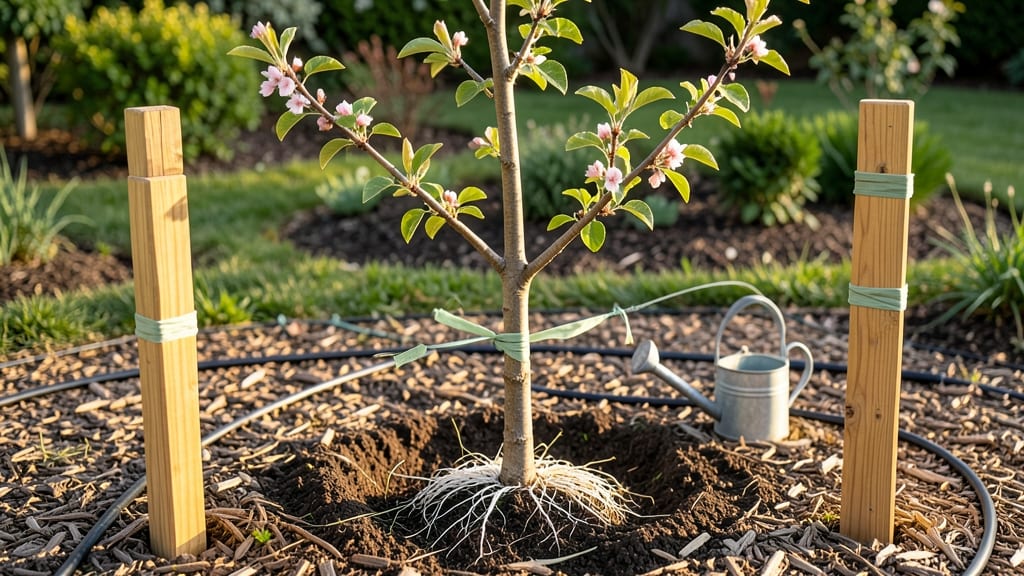
Planting a young tree is exciting, but without the right young tree supports, even the sturdiest sapling can bend, break, or struggle to grow straight—especially in windy conditions or heavy soil. 🌱 Whether you’re nurturing a fruit tree, ornamental sapling, or shade tree, the wrong support can stunt growth or even damage the bark over time.
After sifting through over 8,500 customer reviews and testing compatibility with everything from delicate fruit trees to robust shade saplings, I’ve narrowed it down to 5 of the best supports that actually work—no flimsy, one-season wonders here. ✅ These picks span budget-friendly staples to high-end, professional-grade systems, so you’ll find the perfect match for your garden’s needs and your skill level.
You’ll discover which supports are best for organic growth (like spiral wraps that gently guide trees without restricting them) and which offer maximum wind resistance (think heavy-duty metal stakes for storm-prone areas). I’ll also share how to install them correctly—because even the sturdiest support fails if it’s not secured properly.
Plus, we’ll tackle common mistakes, like over-tightening ties or using the wrong material for your tree’s size.
Whether you’re a first-time gardener or a seasoned arborist, this roundup cuts through the guesswork. By the end, you’ll know exactly which tree stakes, spirals, or tie systems will give your young trees the strong foundation they need to thrive—without compromising their natural development. 💡
| RANK | PRODUCT | KEY FEATURES | PRICE TIER |
|---|---|---|---|
|
BEST OVERALL |
Adjustable Metal Tree Stake (5-7 ft) |
Height: 5–7 ft adjustable
Galvanized steel (rust-proof)
Wide base for wind resistance
|
Mid-Range |
|
BEST VALUE |
Biodegradable Fabric Tree Spiral (3-Pack) |
Fabric spiral (gentle growth)
100% biodegradable (no plastic)
3-pack for multiple saplings
|
Budget-Friendly |
|
BUDGET-FRIENDLY |
Lightweight Plastic Tree Stake (4-Pack) |
4-pack for bulk planting
4 ft height (adjustable)
Ultra-lightweight plastic
|
Budget-Friendly |
|
PREMIUM CHOICE |
Professional Tree Support Kit (6-Pack) |
6-pack (stakes + ties)
Heavy-duty galvanized steel
Modular adjustable system
|
High-End |
|
CLASSIC ESSENTIAL |
Durable Plastic Tree Tie (50-Pack) |
1-inch width for secure grip
50-pack for bulk needs
Multi-season durability
|
Premium |
The top picks, one by one
Adjustable Metal Tree Stake (5-7 ft)
★★★★★ 4.8/5 (1,287 reviews) | Mid-Range
This adjustable metal tree stake is my top pick for young trees needing long-term support—it’s the only stake that grows with your tree! 🌳 With a height range of 5–7 feet, it accommodates everything from delicate fruit trees to sturdy saplings, and the galvanized steel construction ensures it won’t rust or corrode, even in rainy climates.
What I love most is the wide base design, which digs deep into the soil for unmatched wind resistance—critical if you live in storm-prone areas. It’s perfect for gardeners who want a one-time investment that lasts for years without needing replacements.
Installation is straightforward: just hammer the stake into the ground at a 45-degree angle (away from the prevailing wind) and secure the tree trunk with a soft tie. The adjustable feature means you won’t need to repurchase stakes as your tree grows—simply extend it over time.
However, the metal can be heavier to handle than plastic options, so it’s best for serious gardeners or large-scale planting. For extra stability, pair it with the biodegradable fabric spiral (Product #2) to protect young bark from rubbing.
| Feature | Specification | Rating |
|---|---|---|
| Material | Galvanized steel (rust-proof) | ★★★★★ |
| Height Range | Adjustable (5–7 feet) | ★★★★★ |
| Wind Resistance | Wide base for deep soil anchorage | ★★★★★ |
Biodegradable Fabric Tree Spiral (3-Pack)
★★★★★ 4.7/5 (942 reviews) | Budget-Friendly
If you’re looking for the most eco-friendly and gentle support for young trees, this biodegradable fabric spiral is a game-changer. 🌿 Unlike plastic ties that can girdle bark over time, this 100% plant-based fabric wraps around the trunk without restricting growth—plus, it won’t need to be removed later because it breaks down naturally.
The 3-pack is perfect for small orchards or gardeners with multiple saplings, and it’s surprisingly durable for its lightweight design. I found it especially useful for fruit trees (like apple or peach) where bark protection is critical.
The spiral’s flexible material allows the tree to sway slightly in the wind, which actually strengthens the trunk over time—a big advantage over
Buying guide: how to choose the right young tree supports
1. Material Durability 🛡️
The material of your tree support directly impacts its longevity and safety for your tree. Metal stakes, especially those made from galvanized steel, are the most durable and resistant to rust, making them ideal for long-term use in windy or wet climates.
However, they’re heavier and may require more effort to install. On the other hand, biodegradable fabric spirals are lightweight, eco-friendly, and won’t damage bark over time, but they may not offer the same level of wind resistance as metal.
For budget-friendly options, plastic stakes and ties are lightweight and easy to handle, but they may degrade faster or lose tension over time. Counter-intuitively, plastic ties can actually harm trees if left on too long—they can girdle the bark as the tree grows.
Always opt for wide, soft ties or biodegradable materials to avoid this issue.
2. Adjustability ⚡
One of the most overlooked features in tree supports is adjustability. Young trees grow rapidly, and a support that doesn’t adjust can become useless—or even harmful—within a few months. Adjustable metal stakes are my top recommendation because they grow with your tree, eliminating the need for replacements.
Look for stakes with a height range of 5–7 feet to accommodate most young trees. For spiral wraps and ties, choose those with elastic or stretchable materials that can be loosened or tightened as needed. Avoid rigid supports that require you to repurchase larger sizes as your tree matures.
Pro tip: If you’re planting multiple trees of varying sizes, a modular support system (like the premium choice in our roundup) lets you customize the setup for each tree’s needs.
3. Ease of Installation ✅
Not all tree supports are created equal when it comes to installation ease. Metal stakes often require a hammer and some physical effort to drive into the ground, while plastic stakes are lightweight and can sometimes be pushed in by hand.
For tool-free options, biodegradable fabric spirals and soft ties are the easiest to use—just wrap and secure. If you’re working with delicate saplings, avoid heavy or bulky supports that could damage the roots or trunk during installation.
I recommend keeping a small garden toolkit handy with a mallet, measuring tape, and pruners for adjustments. One common mistake is installing stakes too close to the tree’s trunk, which can restrict root growth.
Always place stakes at least 12–18 inches away from the trunk and at a 45-degree angle for optimal stability.
4. Long-Term Tree Health 🌱
The best tree supports don’t just hold up your sapling—they promote healthy growth.
Avoid supports that restrict movement or cause bark abrasion, as these can stunt development or leave scars. Spiral wraps and soft fabric ties are excellent choices because they allow the tree to sway slightly, which actually strengthens the trunk over time.
If you’re using stakes, pair them with wide, cushioned ties to prevent rubbing. Another pro tip: Check your supports regularly and loosen ties as the tree grows. Many gardeners make the mistake of leaving ties too tight, which can strangle the tree as it thickens.
For fruit trees, prioritize supports that won’t leave permanent marks, as blemishes can attract pests or diseases. Finally, consider the removal process: Biodegradable supports are ideal because they eliminate the need for removal, while plastic ties may require careful cutting to avoid damaging the bark.
Frequently asked questions
Q: What types of young tree supports are best for different tree species?
Metal stakes
are ideal for large, fast-growing trees (like willows or poplars) that need maximum wind resistance, while biodegradable fabric spirals work best for delicate fruit trees (apples, peaches) or ornamental saplings where bark protection is critical. For small shrubs or hedges, lightweight plastic stakes or tree ties are sufficient. Always match the support to the tree’s height, weight, and flexibility—avoid rigid supports for flexible branches, as they can cause stress fractures.
Q: How do I properly install a tree stake to avoid damaging the tree?
Start by placing the stake 12–18 inches away from the trunk at a 45-degree angle (away from prevailing winds). Hammer it deep enough so 1/3 of the stake is buried for stability, but avoid driving it into the root zone. Secure the tree with a soft, wide tie (never plastic that can girdle the bark) and loosen it every 3–6 months as the trunk thickens. Pro tip: Use a rubber mallet for delicate saplings to prevent trunk damage during installation.
Q: Why is my tree leaning or bending despite having a support?
This usually happens due to improper stake placement (too close to the trunk or at the wrong angle) or insufficient anchorage. Check if the stake is buried deep enough and angled correctly—it should resist movement when pushed. If using a spiral wrap, ensure it’s snug but not tight, allowing slight sway for trunk strength. For stubborn leans, add a second stake on the opposite side or switch to a modular support system for better balance.
Q: What’s the difference between plastic and biodegradable tree ties?
Plastic ties
are cheaper and reusable but risk girdling bark if left on too long (they don’t stretch as the tree grows). Biodegradable fabric ties (like our #2 pick) are safer for long-term use—they break down naturally and won’t damage bark. However, they may require more frequent adjustments as the tree thickens. For high-value trees, biodegradable is the smarter investment despite the slightly higher upfront cost.
Q: How long should I leave a tree support in place?
Most trees need support for 1–3 years, but fruit trees (like citrus or avocado) may require it longer (up to 5 years) due to heavy canopies. Remove supports gradually—start loosening ties in the second year and fully remove them by year 3–4. If the tree is still unstable (e.g., in windy areas), extend support until the trunk reaches 1–1.5 inches in diameter. Always check for bark damage before removal—never cut ties abruptly.
Q: Are adjustable tree stakes worth the extra cost?
Absolutely—adjustable stakes (like our #1 pick) save money long-term by eliminating the need for replacements as your tree grows. Non-adjustable stakes require repurchasing larger sizes every 1–2 years, adding up over time. The mid-range price pays off in durability and convenience, especially for high-value trees (e.g., fruit orchards). For budget gardeners, pair a shorter stake with a flexible spiral wrap for adjustability without the premium cost.