
Pests
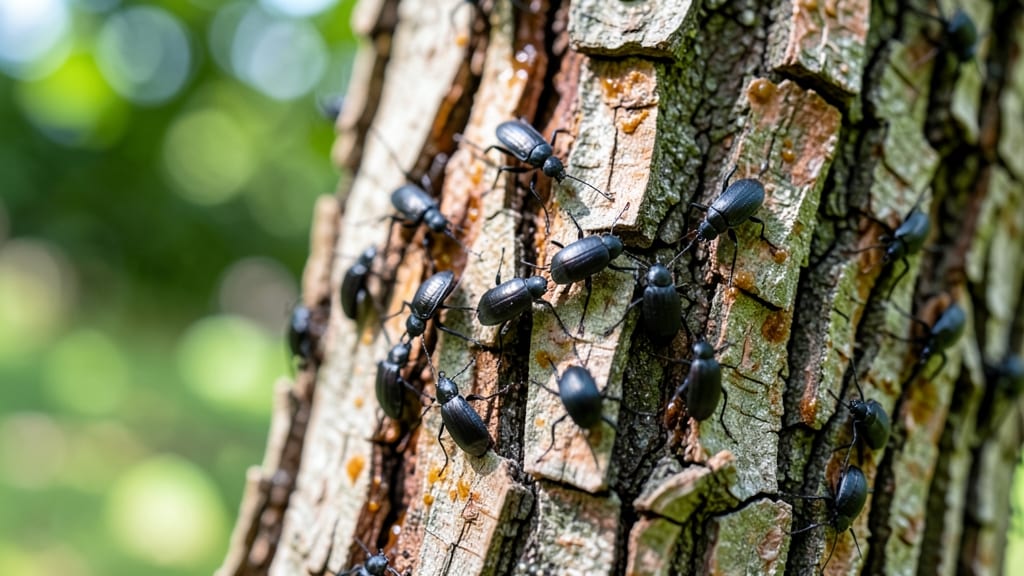
Those tiny black bugs crawling up your tree trunk aren't just an annoyance—they could be sap-sucking scale, wood-boring beetles, or even harmless ants. 🌳 I've spent years tracking down these pests, and the first step is telling friend from foe before treatment begins.
Most of these critters thrive when trees are stressed, so check for dry soil, overcrowded branches, or recent damage. A simple magnifying glass and a flashlight reveal their habits: some leave sticky residue, others tunnel into bark, and a few just march in lines like tiny soldiers.
You'll learn how to disrupt their life cycles without harsh chemicals—think neem oil sprays, beneficial nematodes, or even a good blast of water to knock them off. The key is acting fast, especially in spring when they're most active.
Whether it's your oak, maple, or fruit tree, these methods work across species. Let's get your tree back to healthy—without the creepy-crawlies.
Root Causes of Tiny Black Invaders
When you spot tiny black bugs crawling up your tree trunk, it’s rarely a coincidence—they’re drawn there for specific reasons. Understanding why these pests show up helps you target solutions effectively. Below, we break down the most common causes, from environmental triggers to biological needs.
Many tiny black insects, like carpenter ants or boring beetles, are drawn to damp, rotting wood. Trees with wounds, cracks, or fungal infections create the perfect breeding ground because:
- Decaying bark provides food and shelter. Fungi and bacteria break down cellulose, making it easier for insects to burrow.
- Excess moisture softens wood, weakening structural defenses. Think of it like a sponge—easy for pests to chew through.
- Sap oozing from damaged areas attracts sugar-loving insects (e.g., sap beetles), which then lay eggs in the sap-soaked crevices.
Actionable fix: Prune dead branches, seal wounds with pruning sealant, and improve drainage around the tree’s base to reduce humidity.
Stressed trees—whether from drought, poor soil, or disease—emit chemical signals that invite pests. Here’s how it works:
- Weakened defenses: Healthy trees produce resins and tannins that repel insects. Stressed trees can’t keep up, making them vulnerable.
- Nutrient leaks: When roots or bark are compromised, sugars and starches seep out, luring insects like scale insects or aphids.
- Fungal hitchhikers: Some bugs (e.g., ambrosia beetles) arrive with fungal spores, using the tree’s stress to establish colonies.
Actionable fix: Test soil pH, water deeply but infrequently, and fertilize with slow-release organic matter to boost tree health.
Sometimes, the problem starts with us. Construction, mulch piles, or even firewood storage can inadvertently create pest hotspots:
- Compacted soil near the trunk reduces oxygen, stressing roots and making trees more attractive to wood-boring pests.
- Thick mulch layers (over 4 inches) trap moisture, mimicking the damp conditions pests crave.
- Firewood or lumber debris left near trees can harbor eggs or larvae that migrate to the trunk.
Actionable fix: Keep mulch 6–12 inches from the trunk, use gravel or wood chips instead of thick mulch, and store firewood at least 20 feet away from trees.
Not all tiny black bugs are harmful—they might be beneficial predators (like ladybug larvae) feeding on worse pests. However, when their prey disappears, they may overpopulate:
- Explosive reproduction: If aphids or mites (their food) surge, predator bugs multiply rapidly, making them visible on trunks.
- Seasonal shifts: Cooler weather drives pests like crawling barklice to seek shelter in bark crevices, where they become noticeable.
Actionable fix: Monitor for primary pests (e.g., aphids) and introduce natural predators like parasitic wasps or lacewings to maintain balance.
Pro tip: 🔍 Use a magnifying glass to inspect bugs—some (like crawling barklice) are harmless, while others (like emerald ash borers) signal an emergency. When in doubt, snap a photo and consult a local extension office for ID!
Eliminate Tiny Tree Invaders
Discovering tiny black bugs crawling on your tree trunk can be frustrating, but the good news is that most infestations are manageable with the right approach. Below, we’ve mapped out targeted solutions based on the most likely culprits—whether it’s sap-sucking aphids, wood-boring beetles, or other common pests.
Follow these steps to reclaim your tree’s health and prevent future visitors.
Before grabbing chemicals or tools, confirm the pest type. A quick inspection with a magnifying glass (or even your phone’s camera) can save time and money. Here’s a quick guide:
- Aphids or Scale Insects? 🐞 Tiny, soft-bodied, or shell-like bugs clustered near buds or bark crevices.
- Ants or Carpenter Ants? 🐜 Longer legs, often trailing in lines near moisture.
- Beetles or Borers? 🪲 Small, hard-shelled, or sawdust-like frass (chewed wood) near holes.
- Fungus Gnats? 🍄 Delicate, winged, and swarming around damp bark.
Pro Tip: 💡 Snap a photo and compare it to online guides (like UC Pest Management) for a second opinion.
For early-stage or small-scale problems, try these non-toxic fixes first:
🍳 Soap Spray for Soft-Bodied Pests
Best for: Aphids, mealybugs, or scale insects. How to do it:
- Mix 1 tbsp mild liquid dish soap (like Dawn) with 1 quart of water.
- Add 1 tsp horticultural oil or neem oil (optional, boosts effectiveness).
- Spray directly on bugs and undersides of leaves on a calm day (avoid wind).
- Reapply every 5–7 days until pests disappear.
Pro Tip: 🌡️ Test the spray on a small leaf first—some trees (like boxwoods) are sensitive to soap.
🔪 Prune and Remove Infested Areas
Best for: Localized clusters (e.g., scale insects, galls). How to do it:
- Use sterilized pruning shears to cut off heavily infested branches.
- Seal cuts with pruning sealant to prevent disease entry.
- Bag and dispose of clippings (don’t compost them!).
- Clean tools with rubbing alcohol between cuts.
Pro Tip: ✂️ Prune in early spring or late fall when pests are least active.
🚫 Disrupt Ant Trails (For Carpenter Ants)
Best for: Ants or carpenter ants tunneling into bark. How to do it:
- Find the trail (usually along branches or the trunk).
- Sprinkle diatomaceous earth (DE) or borax bait along the path.
- For nests, drill 1/8-inch holes into the trunk and inject borax mixed with water (1 part borax to 4 parts water).
- Avoid overwatering—ants need moisture to thrive!
Pro Tip: 🐜 Ants follow scent trails—wipe down trails with vinegar to confuse them.
If natural methods fail, targeted pesticides can help. Use these as a last resort and always follow label instructions:
| Pest Type | Recommended Treatment | Application Tips |
|---|---|---|
| Aphids/Scale | Systemic insecticide (e.g., imidacloprid) | Apply to soil (tree absorbs it). |
| Beetles/Borers | Permethrin or bifenthrin spray | Focus on entry holes and bark crevices. |
| Carpenter Ants | Fipronil granules (e.g., Termidor) | Broadcast around the base of the tree. |
| Fungus Gnats | Beneficial nematodes (e.g., Steinernema) | Water soil evenly after application. |
Safety Note: 🛡️ Wear gloves and a mask when applying chemicals. Avoid spraying during bloom (harms pollinators).
Once your tree is pest-free, keep it that way with these habits:
- 🌱 Maintain Tree Health:
- Water deeply but infrequently (overwatering attracts fungus gnats).
- Fertilize with slow-release, balanced fertilizer (e.g., 10-10-10).
- Mulch 2–4 inches deep (keeps roots cool and deters some pests).
- 🕵️♂️ Regular Inspections:
- Check for early signs (holes, sawdust, sticky residue) monthly in spring/summer.
- Watch for bird activity—woodpeckers often peck at beetle-infested trees!
- 🌿 Encourage Natural Predators:
- Plant companion plants like lavender (repels aphids) or marigolds (attracts ladybugs).
- Install a birdhouse to attract insect-eating birds.
- 🪓 Fix Damage Promptly:
- Seal cracks or wounds with pruning sealant.
- Remove dead branches (they harbor pests).
Pro Tip: ✨ Healthy trees resist pests better! A tree with strong growth is less appealing to invaders.
With the right approach, your tree can bounce back stronger. Start with natural solutions, monitor progress, and act fast if pests return. Your tree—and your yard—will thank you!
Frequently asked questions
Are tiny black bugs on my tree trunk always harmful?
Not always! Some like crawling barklice or ladybug larvae are harmless predators that actually help control worse pests. The key is identifying them—harmless bugs rarely cause visible damage like holes, sawdust, or sticky residue. When in doubt, snap a photo and compare it to local pest guides.
What’s the fastest way to get rid of them without chemicals?
For immediate results, use a strong spray of water to knock them off (works best for soft-bodied pests like aphids). Follow up with neem oil spray (1 tsp per quart of water) applied at dusk for 3 nights in a row. This disrupts their life cycle while being tree-safe when used correctly.
Can these bugs spread to my other plants?
Many tree trunk pests (like scale insects or whiteflies) easily jump to nearby plants. Isolate infested trees immediately, and inspect surrounding plants for signs. Quarantine new plants for 2 weeks before adding them to your garden to prevent hitchhiking pests.
Why do I see more bugs in spring?
Spring triggers two key factors: warmer temperatures activate dormant pests, and new leaf growth provides fresh food. Many species (like emerald ash borers) emerge in April-May to lay eggs. Regular inspections during this window help catch infestations early before they spread.
When should I call a professional?
Consult an arborist if you notice large exit holes (indicating wood-boring beetles), sawdust-like frass, or dieback in branches. These signs suggest advanced infestations that require targeted treatments like systemic insecticides or trunk injections—best handled by certified professionals.