
Trees
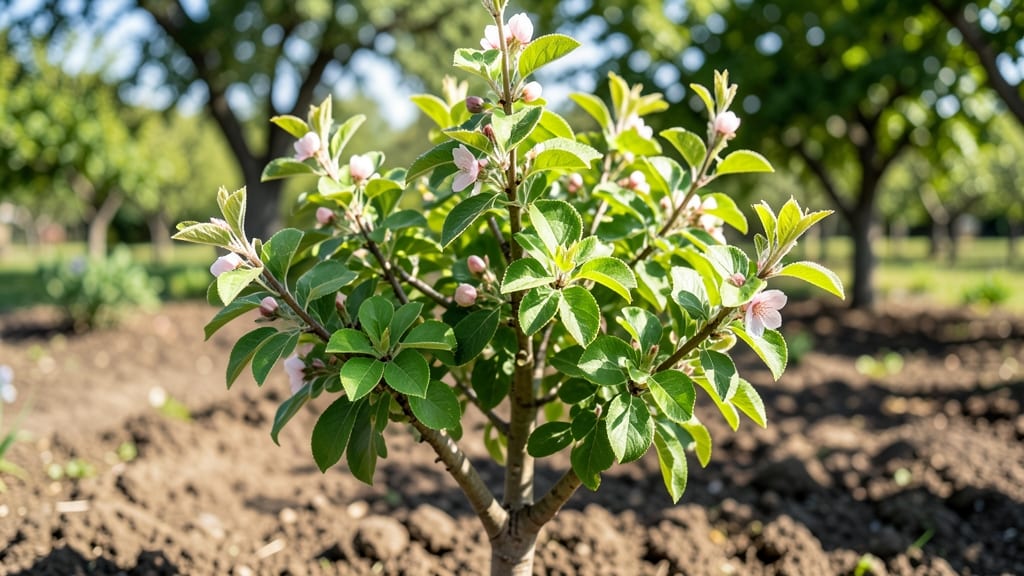
Your young apricot tree leaves hold a secret: fragrant tea and delicate seasoning, but only if you harvest them right. 🌿 The first flush of tender leaves in spring is prime time—before pests or disease strike—but many gardeners miss this window because they don’t know what to look for.
Common issues like aphids or fungal spots can ruin a harvest, but early intervention keeps your tree healthy. I’ve learned to check leaves for sticky residue (aphids) or dark spots (fungus) before harvesting, and treat with neem oil or copper spray if needed. Healthy leaves taste best and store longer.
When harvested correctly, these leaves make a light, floral tea or a subtle seasoning for soups and stews. The key is picking young, unfurled leaves from non-chemical-treated trees—never overharvest, or you’ll stress the tree before it even bears fruit.
For best results, harvest in the morning after dew dries, and store leaves in a cool, dark place. If your tree shows signs of stress (yellowing, wilting), address watering or soil issues first—leaves won’t taste right if the tree isn’t thriving.
📚 In This Guide
- What you need
- Instructions
- Tips and common mistakes
- Wrapping up and next steps
What you need
- ● Young apricot tree: A healthy, disease-free tree (preferably 2–5 years old for optimal leaf quality). Ensure it’s in full bloom for the freshest leaves!
- ● Pruning shears: Sharp, sterilized shears (or scissors) to snip leaves cleanly. Size: 6–8 inches for precision.
- ● Gloves: Lightweight, breathable gardening gloves to protect hands from thorns or sap.
- ● Harvesting container: A clean, breathable mesh bag or paper basket (avoid plastic to prevent leaf bruising).
- ● Labeling tags: Small tags and a marker to note harvest dates (critical for tracking freshness!).
- ● Dehydrator or food dryer: For drying leaves evenly (set to 95–115°F). Alternative: A well-ventilated, dark space with a fan.
- ● Air-tight storage jars: Glass jars with silicone lids (quart-sized for small batches).
- ● Mortar and pestle (or spice grinder): For crushing dried leaves into a fine powder for seasoning.
- ● Spray bottle with water: To mist leaves during drying (prevents mold).
- ● Digital scale: For measuring precise amounts (e.g., 1 oz dried leaves ≈ 3 oz fresh).
- ● Timing: Harvest leaves in early spring (before buds open) or late summer for the most tender, flavorful yield.
- ● Weather check: Avoid harvesting after rain or if leaves are wet (increases mold risk).
- ● Pest control: Inspect the tree for aphids or mites—treat with neem oil if needed 2 weeks before harvest.
- ● Legal note: Ensure the tree isn’t on private property or protected land (when foraging wild apricot trees).
Step-by-step guide to harvesting young apricot leaves
Here's how to safely collect and prepare young apricot leaves for tea or seasoning—without harming your tree.
🌿 Step 1: Identify the Right Leaves to Harvest
Focus on young, tender leaves that are 2-4 inches long—these have the best flavor. Older, tougher leaves make bitter tea. Look for leaves that are bright green and slightly fuzzy on the underside. Avoid any leaves with brown spots, holes, or signs of pests—they won’t taste good and could be harmful.
Harvest in the morning after dew has dried (around 8-10 AM). This is when leaves contain the most essential oils and have the freshest flavor. Never take more than 10-15% of the tree’s foliage at once—you want the tree to thrive so it keeps producing leaves for future harvests.
✂️ Step 2: Use the Right Tools and Technique
Use clean, sharp pruning shears to avoid tearing the leaves or damaging the tree. Dip the shears in rubbing alcohol before and after harvesting to prevent spreading disease. Cut just above a leaf node (the small bump where leaves attach to the stem)—this encourages new growth and keeps the tree healthy.
Don’t strip entire branches bare. Instead, take leaves from different parts of the tree to avoid stressing it. If you’re harvesting for tea, pick leaves from the outer branches where they get the most sunlight—they’ll have the strongest flavor. For seasoning, younger inner leaves work well too, but they’ll be milder.
💧 Step 3: Clean and Prepare the Leaves Immediately
Rinse the leaves under cool running water to remove dirt, dust, or pesticide residue. Gently shake off excess water or pat them dry with a clean kitchen towel. Don’t let them sit in water—they’ll wilt faster and lose flavor. Spread them out on a clean, dry towel or paper towels in a single layer to air-dry.
For tea, you can also blanch the leaves first: Dip them in boiling water for 10-15 seconds, then shock them in ice water. This preserves their vibrant green color and enhances their aroma. Drain well before drying to prevent mold.
☀️ Step 4: Dry the Leaves Properly
Place the leaves in a well-ventilated, dry area away from direct sunlight—too much heat will turn them brown and bitter. A dehydrator set to 95°F works well, or use a screen or mesh rack in a warm, shaded spot. Turn the leaves occasionally to ensure even drying. They’re ready when they’re crisp and brittle (usually 2-4 days, depending on humidity).
Store dried leaves in an airtight container away from light. For tea, crush them lightly before steeping. For seasoning, you can grind them into a powder or use whole leaves to flavor oils and vinegars. Freshly harvested leaves can also be used immediately in salads or as a garnish for dishes like risotto or grilled fish.
🌱 Step 5: Maintain Your Apricot Tree for Future Harvests
After harvesting, give your tree a light fertilizer application (like a balanced 10-10-10) to help it recover. Water deeply if the weather has been dry, but avoid overwatering—soggy soil can stress the tree. Prune any damaged or diseased branches in the late winter or early spring to keep the tree healthy and encourage new growth.
Young apricot trees are sensitive, so avoid heavy harvesting until they’re at least 3-5 years old. If you’re growing the tree for fruit, limit leaf harvesting to once per season to ensure the tree has enough energy to produce apricots. With proper care, your tree will keep giving you fresh leaves for years to come!
Tips & tricks for perfect young apricot leaf harvesting
Here's what nobody tells you about getting the most flavor and keeping your apricot tree happy.
Timing is Everything: The morning after dew has dried (around 8-10 AM) is truly the best time to harvest. I learned this the hard way after gathering leaves in the afternoon—those had a noticeably duller flavor. The essential oils peak during this window, making all the difference for tea and seasoning. If you must harvest later, choose the coolest part of the day to preserve some of that freshness.
Tool Prep Matters: Before you even touch the tree, sanitize your pruning shears with rubbing alcohol. I skipped this step for years and wondered why my tree occasionally developed strange spots. The alcohol kills bacteria and prevents cross-contamination between cuts. Also, make sure your shears are sharp—dull blades crush the stems, which can lead to faster wilting and less vibrant flavor in your final product.
Blanching Boost: That optional 10-15 second blanch in boiling water before drying isn't just a suggestion—it's a game-changer for tea lovers. The quick heat shock preserves the bright green color and actually enhances the aroma by releasing more volatile compounds. Just be sure to drain thoroughly afterward; any moisture left on the leaves can cause mold during the drying process. I've seen batches turn brown and slimy when this step was rushed.
Drying Dilemmas: The 95°F dehydrator setting is ideal, but don't have one? A well-ventilated shaded spot with good airflow works just as well. I've had great success using a mesh rack over a fan on low setting—just turn the leaves every few hours to prevent uneven drying. Watch for that crisp, brittle texture as your cue to stop; over-drying makes leaves brittle and loses some of their delicate flavor notes. In humid climates, you might need the full 2-4 days, while dry conditions could have them ready in as little as 24 hours.
Pro Tips for Young Apricot Tree Leaves
- Here's what nobody tells you about getting the most flavor and keeping your apricot tree happy.
- Timing is Everything: The morning after dew has dried (around 8-10 AM) is truly the best time to harvest. I learned t...
- Tool Prep Matters: Before you even touch the tree, sanitize your pruning shears with rubbing alcohol. I skipped this ...
Frequently asked questions
Got questions about harvesting and using young apricot tree leaves? You’re not alone! Here are some of the most common queries—plus straightforward answers to help you get started with confidence.
When is the best time to harvest young apricot tree leaves?
The ideal time to harvest leaves is in early spring (just before the tree blooms) or late summer (after fruit ripening). Young, tender leaves are most flavorful and less bitter. Avoid harvesting after heavy rain or pesticide use to ensure safety and quality.
Can I use apricot tree leaves if my tree is already bearing fruit?
Yes! Leaves from fruit-bearing trees are still edible, but they may have a slightly stronger flavor. If your tree is organic and pesticide-free, they’re perfectly safe. Just ensure the leaves are fresh and free of pests before using them in tea or seasoning.
How do I store harvested apricot tree leaves for later use?
Store leaves in an airtight container or paper bag in the fridge for up to 1 week, or dry them in a cool, dark place for 2–3 weeks. For long-term storage, freeze them in ice cube trays with water (great for tea cubes!) or vacuum-seal dried leaves to preserve flavor.
Are there any alternatives if I can’t find apricot tree leaves?
Try peach, plum, or almond tree leaves for a similar mild, floral note. Herbs like mint, basil, or lemon balm can also mimic apricot’s freshness in teas or marinades. Just adjust quantities—start with half the amount of apricot leaves for a comparable effect.
Why do my apricot tree leaves taste bitter? How can I fix it?
Bitterness often comes from overripe or old leaves or harvesting too late in the season. To reduce bitterness, blanch leaves in boiling water for 10 seconds before drying or using. Pairing them with sweeteners (like honey in tea) or citrus (like lemon zest) can also balance the flavor.
Wrapping up and next steps
Cultivating and harvesting young apricot tree leaves is a rewarding journey that connects you to nature’s bounty—whether for fragrant tea or savory seasoning.
Remember, timing, tools, and care are key to unlocking their full potential! 🌱 With a little practice, you’ll soon be enjoying the delicate, citrusy notes of these leaves in your kitchen or cup.
Ready to take the next step? Start small:
- Grow your own apricot tree for a fresh, endless supply.
- Experiment with recipes—try infusing oils, blending into pestos, or steeping in hot water.
- Share your harvest with friends or local markets to inspire others!