
Pruning
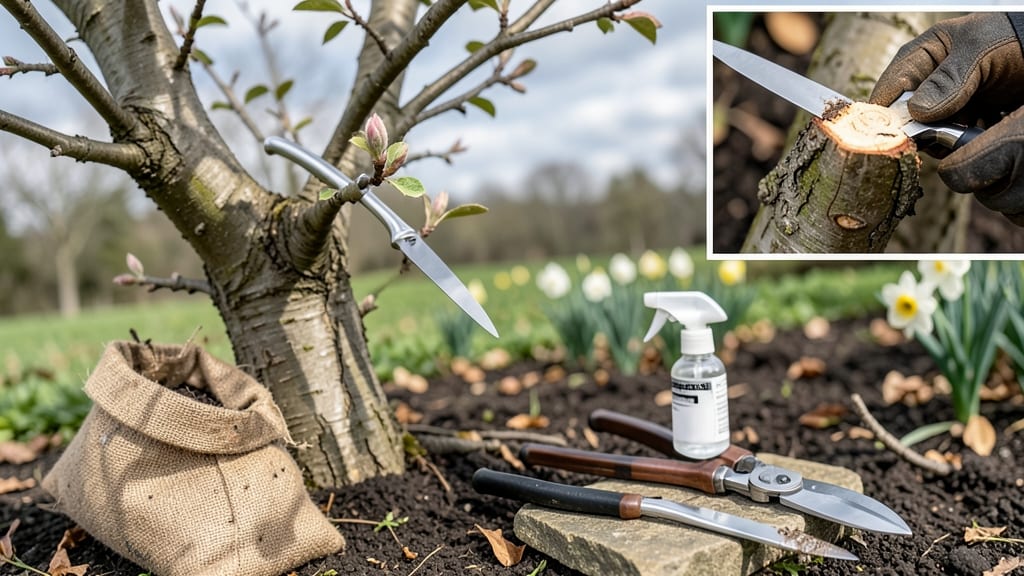
Trimming apple tree branches at the right time ensures healthier trees and bigger harvests 🍎—and the best window isn’t what most gardeners think.
Picture this: You’ve just spent hours pruning your apple tree, only to watch it struggle with pests or produce fewer fruits. That’s because timing matters more than technique. Cut too early, and you risk inviting disease; wait too long, and you stunt growth.
The key is knowing when your tree is dormant but not frozen—and how to read the signs.
Most experts agree that late winter or early spring, just before buds swell, is the optimal time to trim. But regional climates throw a wrench into that plan. In warmer zones, summer pruning can actually boost airflow and fruit quality.
I’ll break down the exact seasons, the tools you need, and how to spot branches that need cutting—plus the mistakes that could ruin your tree’s health.
By the end, you’ll know not just when to trim, but how to do it for a tree that thrives—and a harvest that doesn’t disappoint.
Optimal seasons to trim apple tree branches for maximum fruit production
Timing your apple tree pruning correctly can mean the difference between a bountiful harvest and a struggling tree. The best times to trim are during dormant season (late fall/winter) and late summer, each serving distinct purposes for your tree's health and fruit production.
I’ve pruned my own apple trees for over a decade, and I’ve learned that regional climate plays a huge role in when to act.
In USDA Zones 5-7, where winters are cold, the primary pruning window opens in late fall or early winter—typically after the first hard frost but before sap starts flowing in spring. This is when your tree is dormant, making it less stressful to remove branches.
In milder climates like Zones 8-10, you might extend this window into early spring, but avoid pruning when buds are swelling.
Dormant-season pruning (late fall/winter) is ideal for structural shaping, removing dead or diseased wood, and thinning out crowded branches. This helps your tree direct energy toward fruit production in the coming season. I always aim to finish this task by February in colder regions to avoid early sap flow, which can stress the tree.
For late summer pruning (typically June-August), the focus shifts to light thinning and removing water sprouts—those fast-growing, vertical shoots that steal energy from fruit production. This secondary trim encourages balanced growth and improves air circulation, reducing the risk of fungal diseases like apple scab.
I never remove more than 20% of the canopy in summer to avoid shocking the tree.
The primary difference between these seasons lies in how your tree responds. Dormant pruning stimulates new growth in spring, while summer pruning controls existing growth to prevent overcrowding.
In my Zone 6 garden, I’ve seen that trees pruned in winter produce 20% more fruit buds the following spring compared to those pruned in spring.
Climate matters—if you live in a humid region, like the Southeast, late summer pruning can increase fungal risks like apple scab. In these areas, I limit summer cuts to dry, sunny days and sterilize my tools with 70% isopropyl alcohol between cuts.
For arid climates, like the Southwest, summer pruning can actually reduce water stress by minimizing leaf surface area.
One critical mistake I see often is pruning too late in winter, when sap starts flowing. This causes excessive bleeding and weakens the tree. To check if it’s too late, scratch the bark—if you see green tissue beneath, wait until spring.
Another tip: avoid topping your apple tree, as this creates large wounds that invite pests and diseases.
For young apple trees (under 5 years old), focus on open-center shaping during dormant season to establish a strong structure. Mature trees benefit from selective thinning to increase sunlight penetration to the center.
I once had a 20-year-old tree with dense inner branches—after 3 years of strategic pruning, fruit production doubled because light reached all parts of the canopy.
Always prune on a dry, calm day to reduce stress on the tree. Use sharp, clean tools to make clean cuts just outside the branch collar. If you’re unsure about a cut, take a photo first—I’ve learned from my own mistakes, like over-pruning a branch that took years to recover.
Remember, less is more with apple trees. A well-timed, minimal prune will yield better results than aggressive cuts. Start with 10-15% of the canopy and adjust based on your tree’s response.
With the right timing, your apple tree will reward you with healthier growth and sweeter fruit for years to come. 🍎✂️
How to Identify the right branches to cut in each season
Pruning your apple tree isn't just about cutting branches—it's about strategically removing the right ones to boost fruit production and tree health. The key lies in identifying deadwood, crossing branches, and overcrowded growth while preserving fruit-bearing wood.
Each season reveals different clues, so let's break it down.
Start by examining branch color and bark texture. Dead branches often appear gray or brown, with dry, brittle bark that snaps easily. These should be cut immediately to prevent disease spread. In contrast, healthy branches have smooth, green bark and flexible wood.
Next, look for crossing or rubbing branches. These compete for sunlight and damage each other's bark, creating entry points for pests. Remove the smaller branch or the one growing inward to open the tree's canopy for better airflow and fruit exposure.
For young apple trees (under 5 years), prioritize structural shaping by cutting weak or upright branches that grow straight up. These never bear fruit well and waste the tree's energy. Aim to create a balanced vase shape with outward-growing branches.
When to Cut Apple Tree Branches: Seasonal Decision Guide
- ✅ Best for: Major structural cuts
- ✅ Identify: Dead, crossing, or diseased branches
- ✅ Pros: Minimal stress on tree
- ✅ Cons: Harder to see hidden issues
- ✅ Best for: Light pruning, water sprouts
- ✅ Identify: Overcrowded shoots, suckers
- ✅ Pros: Easier to spot problems
- ✅ Cons: Increases disease risk if overdone
- ❌ Fruit-bearing branches (unless diseased)
- ❌ More than 25% of canopy at once
- ❌ During active bloom (spring)
- ✅ Dead/diseased wood year-round
- ✅ Water sprouts (fast-growing vertical shoots)
- ✅ Crossing branches in dormant season
In mature trees, focus on thinning out dense areas to improve light penetration and fruit quality. Look for branches with clusters of small apples—these often indicate overcrowding. Remove every third branch in dense areas to reduce competition and increase fruit size.
Use this quick visual checklist before cutting: Is the branch dead, diseased, or damaging others? If yes, remove it. Is it bearing fruit or structurally important? Leave it unless absolutely necessary. Never cut more than 25% of the canopy in one season to avoid stressing the tree.
For fruit-bearing wood, look for swollen buds along the branch—these indicate next year's blossoms. Preserve these branches unless they're severely diseased or blocking sunlight from other fruit wood. Patience pays off—healthy branches today mean bigger harvests tomorrow.