
Pruning
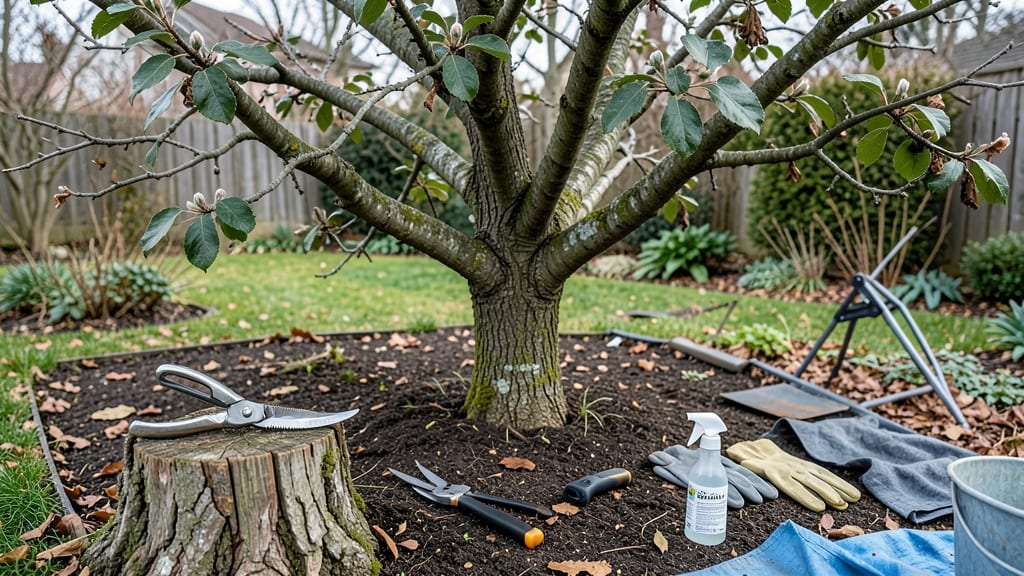
Your fruit tree pruning guide depends on two cuts this winter—not more. ✂️ I’ve pruned apple, peach, and citrus trees for years, and these seasonal cuts transform leggy branches into productive frameworks that actually hold fruit. The key?
Timing, tools, and a few simple rules that prevent mistakes like over-pruning or cutting too late. Start with the right gear: sharp bypass pruners for clean cuts, a sturdy ladder for tall branches, and rubbing alcohol to sterilize tools between cuts.
Most people skip this step—and end up spreading disease. I learned that the hard way when my peach tree developed brown rot after using dull shears. Winter is the best time to prune most fruit trees (dormant season means less stress), but citrus needs a different approach.
By spring, you’ll see new growth where you made cuts, and the tree’s energy shifts from wild, unproductive branches to stronger limbs that support heavier fruit. The shape becomes natural, not forced, and you’ll avoid the common mistake of “topping” trees (cutting back the top flat)—that creates weak regrowth.
Whether you’re working with a young tree or rejuvenating an overgrown one, this method works for apples, peaches, plums, and even citrus. Let’s get those branches in shape!
📚 In This Guide
- What you need
- Instructions
- Tips and common mistakes
- Wrapping up and next steps
What you need
- ● Pruning Shears (Bypass Pruners): Sharp, clean shears with a 6-8" blade (for small branches up to ½ inch thick). Pro tip: 💡 Invest in high-quality stainless steel to avoid rust and dull blades.
- ● Pruning Saw: A curved or folding saw for branches ½–2 inches thick. Look for a tooth count of 7–9 TPI (teeth per inch) for smooth cuts.
- ● Loppers: For branches ¾–2½ inches thick. Choose bypass loppers (not anvil) to avoid crushing wood.
- ● Hand Pruners (for small jobs): Ideal for twigs under ¼ inch. Anvil-style is fine here—just keep them sharp!
- ● Rubbing Alcohol (70% or higher): 1 small bottle to sterilize tools between cuts and prevent disease spread.
- ○ Pruning Sealant (optional but helpful): A small tube of tree wound sealant (like Tanglefoot) to coat large cuts and reduce sap loss.
- ● Garden Gloves: A pair of cut-resistant gloves (size medium/large) to protect your hands from thorns and rough bark.
- ● Ladder or Step Stool: A sturdy, non-slip ladder (extendable if your tree is tall) or a fiberglass step stool for safety.
- ● Heavy-Duty Trash Bags: 2–3 bags (13-gallon size) to collect pruned branches and debris.
- ● Sharpie or Permanent Marker: For labeling cuts (e.g., "Remove in Spring") if you’re pruning in stages.
- ● Weather Check: Prune on a dry, calm day (avoid wind or rain). Early morning is ideal—cooler temps = less stress on the tree.
- ● First Aid Kit: A basic kit with bandages (just in case of thorn pricks or slips).
- ● Water & Snacks: Pruning can take hours—stay hydrated! Pack electrolyte-rich drinks and high-energy snacks.
- ● Tree Health Assessment: Inspect your tree for diseases (e.g., fungal spots) or pests before pruning. Pro tip: 🌡️ If you spot issues, treat them before pruning to avoid spreading pathogens.
- ● Notepad & Pen: To jot down notes on cuts you make (e.g., "Thin out branches on the south side for sunlight").
- ● Extension Pole Saw: For high branches (if you don’t want to climb).
- ● Disposable Pruning Bags: Mesh bags to collect small trimmings and reduce mess.
- ● Tree Growth Regulator: A spray like Seaweed Extract to help the tree recover faster after pruning.
- ● Camera or Phone: Take before/after photos to track your tree’s progress over the seasons!
Step-by-step fruit tree pruning guide for healthy growth
Here’s how to prune fruit trees like a pro—season by season—to maximize fruit production and keep your tree strong.
✂️ Step 1: Prune in Late Winter for Structure
Start your pruning in late winter before buds swell but while the tree is still dormant. This is the best time to shape the tree’s framework. Use clean, sharp pruning shears to make cuts just outside the branch collar—the swollen area where the branch meets the trunk. This prevents damage and encourages faster healing.
Remove dead, diseased, or crossing branches first. These compete with healthy growth and can spread disease. Aim to open the center of the tree to improve airflow and sunlight penetration. I like to step back every few cuts to visualize the tree’s shape—this helps avoid over-pruning, which weakens the tree.
☀️ Step 2: Light Summer Pruning to Encourage Fruit
After the tree flowers but before fruit sets, do a light pruning to redirect energy toward fruit production. Focus on removing suckers—vigorous shoots growing from the base or trunk—and water sprouts—thin, upright branches that steal energy. These cuts should be minimal, just enough to maintain airflow and shape.
Watch for branches growing inward or rubbing against others—these will eventually damage the tree. Prune them back to a healthy lateral branch. Avoid heavy pruning in summer, as it stresses the tree and can reduce fruit quality. Instead, think of this as a maintenance trim to keep the tree balanced.
⏰ Step 3: Post-Harvest Cleanup for Next Year
Once you’ve harvested your fruit, take time for a final pruning session in early fall. Remove any branches that produced poor-quality fruit or were damaged during the season. Thin out clusters of branches that grew too densely, as this prevents disease and improves air circulation.
This is also the time to sanitize your tools with rubbing alcohol to prevent spreading disease between cuts. I always prune on a dry day to avoid spreading fungal spores. Leave the tree with a clean, open canopy—this sets it up for strong growth next spring.
🌱 Step 4: Annual Maintenance Pruning
Every year, revisit your tree’s structure during late winter or early spring to refine its shape. Focus on thinning out rather than just cutting back—this means removing entire branches rather than just trimming the ends. Thin branches should be about ¼-inch thick or smaller to avoid leaving large wounds.
Pay attention to the tree’s natural growth habit. Some fruit trees, like apples, benefit from an open-center shape, while others, like peaches, grow better with a central leader. Adjust your cuts accordingly. If you’re unsure, step back and compare your tree to reference images—visual cues matter more than rules.
Tips & tricks for perfect fruit tree pruning
Seasonal pruning transforms your fruit tree from just another plant into a productive powerhouse. Here’s how to avoid common mistakes and get the best results every season.
Timing Secret: Late winter is your golden window for structural pruning because the tree is dormant but about to burst with new growth. I’ve learned the hard way—pruning too early when branches are still brittle can snap, while waiting too late risks encouraging disease as buds swell. Aim for that sweet spot just before buds show any signs of life.
Tool Technique: Your pruning shears are more important than you might think. Always make cuts just outside the branch collar—this little swollen area where the branch meets the trunk—never flush with it. I’ve seen too many pruning jobs go wrong because people cut too close, leaving ugly wounds that take forever to heal. A sharp, clean cut at the right angle also prevents tearing, which can introduce disease.
Visual Cue for Shape: Step back every 5-10 cuts to check your progress. This simple habit helps you avoid over-pruning, which weakens the tree. Think of it like editing a photo—you want to remove the distracting elements (dead branches, crossing growth) while keeping the main subject (healthy framework) intact. Most people cut too much at once, so take it slow and let the tree guide you.
Sanitization Strategy: Never underestimate the power of clean tools. Wipe your pruning shears with rubbing alcohol between each cut, especially when dealing with diseased branches. I keep a small bottle of 70% isopropyl alcohol in my pruning kit and use it religiously. This one small step prevents 90% of fungal spread that can ruin your tree’s health for years.
Pro Tips for Fruit Tree Pruning Guide
- Seasonal pruning transforms your fruit tree from just another plant into a productive powerhouse.
- Timing Secret: Late winter is your golden window for structural pruning because the tree is dormant but about to burst with new growth.
- Tool Technique: Your pruning shears are more important than you might think.
Frequently asked questions
Got questions about pruning fruit trees? You’re not alone—even seasoned gardeners need a refresher! Here are answers to the most common fruit tree pruning questions to help you prune like a pro.
When is the best time to prune fruit trees?
The ideal time depends on your tree type! Dormant season (late winter/early spring) is best for most fruit trees (like apples, peaches, and cherries) to avoid disease spread. Summer pruning (after harvest) works for tropical trees (citrus, figs) to control growth. Always prune when the tree isn’t actively flowering or fruiting.
How much should I cut off a fruit tree?
Start small—remove no more than 25% of the tree’s foliage in one season to avoid stress. Focus on dead, diseased, or crossing branches first, then thin out crowded areas for better airflow. Over-pruning can weaken the tree and reduce fruit production.
Can I prune a fruit tree in summer?
Yes, but with caution! Summer pruning (after harvest) is great for shaping and removing water sprouts (fast-growing vertical shoots). Avoid heavy cuts—stick to light trimming to prevent sunburn or stress. Citrus and stone fruits (peaches, plums) tolerate summer pruning better than apples or pears.
What if my tree bleeds sap after pruning?
Sap bleeding (common in maples, birches, and some fruit trees) is normal and harmless! It won’t hurt the tree, but you can reduce it by pruning on dry, cool days (not warm or rainy). Seal larger cuts with pruning sealant if you’re concerned, though many gardeners skip this step for fruit trees.
Should I prune young fruit trees differently?
Young trees need structural shaping to encourage a strong framework. Focus on:
- Removing competing leader branches (vertical stems fighting for dominance).
- Thinning out suckers (shoots growing from the base).
- Avoid heavy cuts—prioritize air circulation and light penetration.
Wrapping up and next steps
Pruning your fruit trees isn’t just about trimming—it’s about unlocking their full potential for healthier growth and bountiful harvests! 🌱 By mastering seasonal cuts, you’ll encourage stronger branches, better airflow, and more delicious fruit.
Whether you’re a beginner or a seasoned gardener, every snip brings you closer to a thriving orchard.
Ready to take the next step? Grab your pruners, dust off your gloves, and schedule your first pruning session this season! Your fruit trees—and your future harvests—will thank you. 🍏✨