
Plants
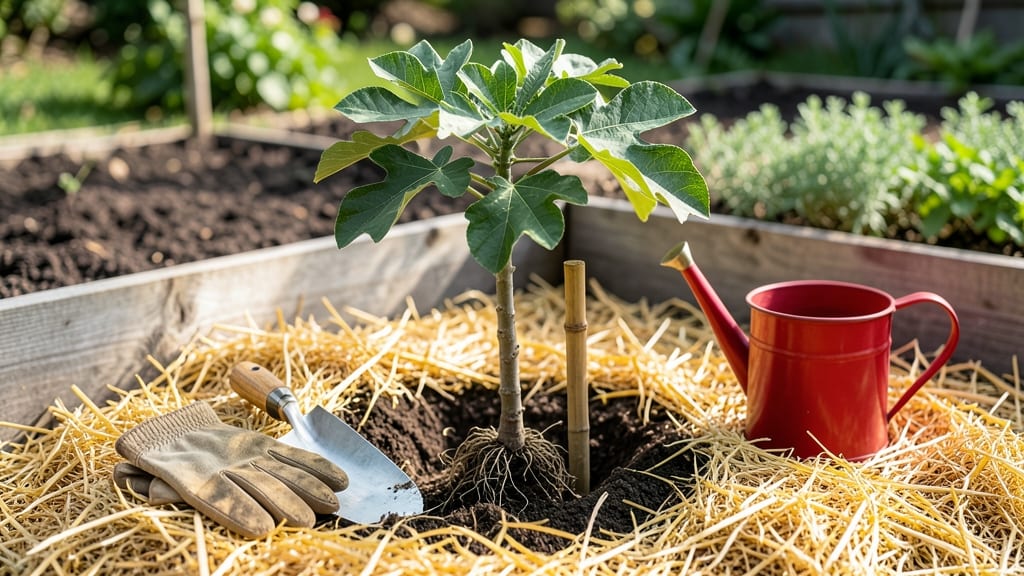
Fig trees planted in ground after the last frost—when soil warms to at least 60°F—thrive and fruit abundantly, while those planted too early risk frost damage.
Planting a fig tree 🍈 at the wrong time can mean the difference between a thriving fruit-bearing tree and a frost-killed sapling—so timing is everything for long-term success.
In cooler zones like USDA 6a, wait until April or May when nighttime temperatures stay above 32°F consistently. Warmer climates (zones 8+) can plant as early as February, but always check local frost dates.
Below, I break down the best planting windows by zone, soil prep tips, and how to protect young trees from late frosts—so you can avoid costly mistakes and enjoy homegrown figs in just 2-3 years.
Best planting times by USDA hardiness zones for fig trees
Fig trees thrive in warm climates but can adapt to cooler zones with proper timing. The USDA hardiness zones 5-11 all have different frost risks, so knowing your last frost date is critical.
Planting too early in cold zones risks frost damage, while waiting too long delays root establishment. Let's break down the ideal planting windows for each zone to maximize your fig tree's success.
Spring planting is the gold standard for fig trees because warm soil temperatures (above 60°F/15°C) encourage rapid root growth. However, fall planting works in warmer zones (8-11) where frost isn't a concern.
Always verify your local frost-free dates using the USDA Plant Hardiness Zone Map or your local cooperative extension service.
Here's a zone-by-zone breakdown of when to plant fig trees for optimal growth and fruit production:
In zones 5-6, spring planting is your only safe option. The last frost date typically falls in late May, so wait until after this date to plant.
Use black plastic mulch to warm the soil faster and protect young roots. For container growing, move pots to a sheltered location during winter.
Zones 7-8 offer flexibility with both spring and fall planting. Fall planting (6-8 weeks before first frost) gives roots time to establish before winter. In zone 7, choose cold-hardy varieties like 'Celeste' or 'Desert King' for better survival. Always mulch heavily (4-6 inches) to insulate roots during cold snaps.
Warmer zones (9-11) allow year-round planting, but spring and fall remain ideal. In zone 9, spring planting (February-March) ensures figs mature before summer heat, while fall planting (September-October) lets trees establish roots before winter.
In zones 10-11, plant anytime, but avoid extreme heat—opt for early spring or late fall.
Regional variations matter! For example, coastal areas in zone 8 may have milder winters, allowing earlier planting than inland zones. Always check microclimates—south-facing slopes warm up faster than shaded areas. Use a soil thermometer to confirm temperatures meet the 60°F/15°C minimum before planting.
Pro tip: If you're in a transition zone (like zone 7b), err on the side of planting later rather than earlier. A single frost can kill young fig trees, so wait until all danger of frost has passed
How to time fig tree planting for maximum fruit production
Fig trees thrive when planted at the right time, but their frost sensitivity makes timing critical. Unlike hardy perennials, figs need warm soil and consistent temperatures to establish roots before summer heat arrives.
Planting too early risks frost damage, while waiting too long delays fruit production. The key is aligning your planting window with soil temperature and local frost dates—not just calendar months.
In most regions, the ideal planting window is 4-6 weeks after the last frost, when soil temperatures reach at least 60°F (15°C). This ensures roots establish before summer stress begins.
For example, in USDA Zone 7b, that’s typically mid-April to early May, while in Zone 9a, you can plant as late as June. Understanding these nuances is what separates a fruit-bearing tree from a struggling sapling.
- 1 Soil Temperature Check: Wait until soil reaches 60°F (15°C) at 6 inches deep. Use a soil thermometer for accuracy—fig roots won’t thrive in cold soil.
- 2 Frost-Free Window: Plant 4-6 weeks before summer heat to avoid transplant shock. In cooler zones (5-7), aim for late spring; in warmer zones (8-11), early summer works.
- 3 Root Establishment Period: Figs need 6-8 weeks to establish roots before summer drought. Plant early enough to avoid stress but not so early that frost risks remain.
- 4 First-Fruit Expectations: Trees planted in spring may bear fruit the following year, while fall-planted trees (in warm zones) can fruit in 12-18 months if conditions are ideal.
Timing also affects fruit production speed. Figs planted in spring (after frost) typically enter fruiting phase 12-24 months later, while those planted in fall (only in Zones 8-11) may fruit sooner due to warmer winters.
For example, a Brown Turkey fig planted in Zone 9 in June could produce fruit by next summer, whereas the same tree planted in Zone 7 in May may take 2 years.
Don’t overlook microclimates—even in cooler zones, a south-facing wall or protected spot can extend the growing season. I’ve seen figs thrive in Zone 6 when planted near a brick wall, where temperatures stay 5-10°F warmer than open ground.
Use this to your advantage by choosing the warmest part of your yard for planting.
Finally, avoid late summer planting—figs planted after July in most zones won’t have time to establish before winter. If you miss the spring window, opt for container growing and move the tree indoors during cold months.
With the right timing, your fig tree will reward you with sweet, sun-ripened fruit for decades.
🌱