
Plants
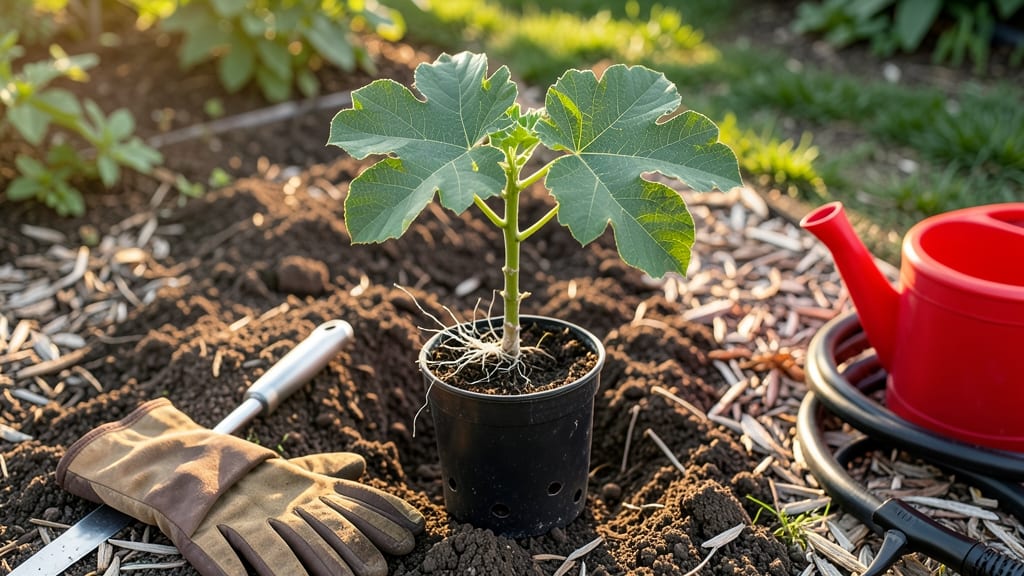
Planting a fig tree in Texas at the right time can mean the difference between a thriving 🍈 harvest and a struggling sapling.
Picture this: You’ve picked the perfect spot, the soil is ready, and you’re eager to plant—but if you wait too late, your fig tree could face brutal summer heat before it’s established.
Or if you plant too early, a late frost might take it out before it even gets a chance to grow.
Texas’s diverse climate zones—from North to South—mean the best planting window shifts from late winter to early spring in cooler areas to fall in warmer regions. Get it wrong, and you’re setting your tree up for failure.
In this guide, I’ll break down the ideal months for your specific zone, how to prep your soil, and the signs your timing might be off—so your fig tree grows strong and starts bearing fruit in just a few seasons.
Best months to plant fig trees in Texas by region
Texas's diverse climate means your fig tree planting timing depends heavily on where you live. In North Texas, where frost dates run late into spring, your window is narrower than in South Texas, where mild winters allow for extended growing seasons.
Fig trees thrive in USDA Zones 8a-10b, but even within these zones, microclimates create critical differences.
For Central Texas, the sweet spot is late winter to early spring (February-March) or fall planting (September-October). This gives roots time to establish before summer heat or winter chills stress young trees. My personal recommendation? Fall planting often yields stronger roots before the first frost hits.
Here’s how Texas’s three regions differ in their ideal fig tree planting windows, accounting for soil temperature, heat tolerance, and frost risks:
In North Texas, where frost can linger until mid-February, I recommend waiting until March or early April to plant. Young fig trees are frost-sensitive, and even a light freeze can kill them.
If you plant in fall, aim for September—this gives roots time to establish before winter.
For Central Texas, the February-March window is perfect because soil temperatures are warming, but the summer heatwave hasn’t arrived yet.
My pro tip: If you plant in fall, choose September or October to avoid the first frost, which can hit as early as November 15 in some areas.
South Texas gardeners have the luxury of a longer planting season. You can plant as early as January or as late as November, but September-October is ideal. The humid climate here means you’ll need to monitor for root rot—always plant in well-draining soil or raised beds.
No matter where you live in Texas, avoid planting in summer. The intense heat and drought conditions stress young trees, slowing root growth. If you must plant in summer, use shade cloth and drip irrigation to keep roots cool and moist.
Container planting is another great option for urban Texas gardeners or those with poor soil. In containers, you can move your fig tree to sheltered spots during extreme heat or cold snaps. Just ensure the pot has drainage holes and use a lightweight potting mix.
After planting, focus on watering deeply once a week (more in summer) and mulching to retain moisture. Figs are drought-tolerant once established, but young trees need consistent care.
With the right timing, your fig tree will thrive and reward you with sweet, homegrown fruit in just a few years! 🍈
How to prepare your Texas soil and site for fig tree planting
Fig trees thrive in Texas but need the right soil conditions and site preparation to grow strong roots and produce fruit. Start by testing your soil pH, which should be between 6.0 and 7.0—figs hate acidic or alkaline extremes.
If your soil is heavy clay, amend it with organic matter like compost or aged manure to improve drainage, as figs despise soggy roots.
Next, choose a sun-drenched spot—fig trees demand at least 6 hours of direct sunlight daily. In Texas, this often means a south- or west-facing location. Avoid low-lying areas where cold air pools, as figs are sensitive to late frosts even after planting.
If your yard has microclimates, like a sheltered corner or a windbreak, use those to your advantage.
- 🌱 Soil Prep: Mix 3-4 inches of compost into the top 12 inches of soil and add sand or perlite if drainage is poor.
- ☀️ Sun Exposure: Select a south-facing site with no afternoon shade—figs need intense light to fruit well.
- 💧 Drainage Fix: If your yard floods, plant on a mound or raised bed to prevent root rot.
- 🪴 Mulch Layer: Apply 2-3 inches of mulch (wood chips or straw) around the base, keeping it 6 inches from the trunk.
- 🌡️ Wind Protection: Use a temporary fence or shrubs to shield young trees from harsh Texas winds.
Before planting, dig a hole twice as wide as the root ball but only as deep as the container. Loosen the sides of the hole to encourage root spread.
If your soil is sandy, add peat moss or coconut coir to retain moisture, while clay-heavy soils benefit from gypsum or composted bark. Work these amendments into the native soil before placing your fig tree.
For container planting, use a large pot with drainage holes and fill it with a mix of 50% potting soil, 30% perlite, and 20% compost.
Containers dry out faster in Texas heat, so plan to water every 3-5 days during summer. Place pots near a south-facing wall to maximize warmth and sunlight.
Finally, consider microclimate tweaks like planting near a stone wall or brick patio, which absorbs heat and extends the growing season. Avoid planting near large trees or structures that cast shade, as figs need consistent sunlight to develop sweet fruit.
After planting, water deeply to settle the soil and reduce transplant shock.
With the right soil prep and site selection, your fig tree will establish roots quickly and reward you with juicy figs in just 2-3 years. The key is balancing drainage, sunlight, and wind protection—Texas’s extremes make preparation non-negotiable! 🍈