
Container Gardens
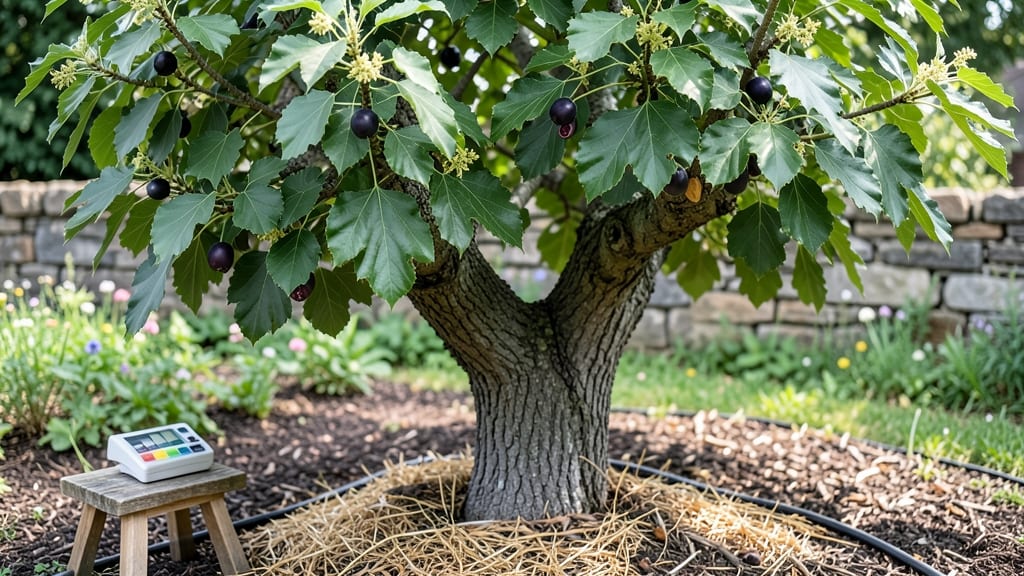
Growing a mulberry tree means sun-drenched days and sweet rewards—if you get the mulberry tree growing conditions right. 🌞 The secret to lush foliage and juicy fruit lies in matching your climate, soil, and sunlight to what mulberries naturally crave.
Too much shade or soggy roots, and you’ll end up with bitter leaves and no berries.
Mulberries thrive in full sun (at least 6 hours daily) and well-draining soil with a pH between 6.0 and 7.5. They’re tough enough to handle heat and drought once established, but young trees need consistent moisture.
The best spot? A sunny yard with room to grow—these trees can reach 20-30 feet tall.
With the right conditions, you’ll see rapid growth in the first year and heavy fruit production by year three. The berries ripen in late summer, turning from green to deep purple—perfect for pies, jams, or just snacking straight from the tree.
Even in small spaces, mulberries adapt well to containers (though dwarf varieties work best). Just ensure the pot is at least 2 feet deep and use a fast-draining mix. Here’s how to set yours up for success!
📚 In This Guide
- What you need
- Instructions
- Tips and common mistakes
- Wrapping up and next steps
What you need
- ● Mulberry Tree: 1 healthy sapling (bare-root or potted) – choose between Morus alba (white mulberry), Morus nigra (black mulberry), or Morus rubra (red mulberry).
- ● Age: 1–3 years old for faster establishment.
- ● Soil: 5+ gallons of well-draining loamy soil (mix of topsoil, compost, and perlite/sand for aeration).
- ○ pH: 5.5–7.5 (slightly acidic to neutral). Test kits are optional but helpful!
- ● Container (if applicable): 1 large pot (minimum 18–24 inches in diameter and 2 feet deep for mature roots).
- ● Drainage holes (non-negotiable! 🚫).
- ● Fertilizer: Balanced 10-10-10 or 5-10-10 granular fertilizer (1–2 lbs per tree).
- ● Organic option: Composted manure or worm castings (1–2 cups per planting hole).
- ● Mulch: 2–3 inches of organic mulch (wood chips, straw, or shredded leaves) to retain moisture.
- ● Tools: Trowel or small shovel
- ● Garden gloves
- ● Watering can or hose with gentle spray nozzle
- ● Pruning shears (for shaping later)
- ● Soil amendments: Gypsum (for clay soil) or peat moss (for sandy soil).
- ● Tree supports: Stakes and ties if planting in windy areas.
- ● Drip irrigation system: For consistent moisture (especially in containers).
- ● Fungicide: Copper-based spray (prevents powdery mildew).
- ● Bird netting: To protect fruit from hungry birds (if growing for harvest!).
Step-by-step guide to mulberry tree growing conditions
Here’s how to give your mulberry tree the perfect conditions for lush growth and abundant fruit.
☀️ Step 1: Select the Ideal Sunlight Spot
Mulberry trees thrive in full sun, needing at least 6-8 hours of direct sunlight daily. I always plant mine where they’ll get morning sun and afternoon shade in hotter climates—this prevents leaf scorch while ensuring strong fruit production. Avoid deep shade; trees grown there produce sparse berries and weak wood.
Watch for signs of stress: yellowing leaves or stunted growth mean your tree needs more light. If you’re in a cooler zone, 8+ hours of sun is ideal. Mulberries are adaptable, but fruit quality drops dramatically without sufficient light.
🌱 Step 2: Prepare the Soil for Optimal Growth
Mulberries tolerate a wide range of soils but perform best in well-draining, slightly acidic to neutral soil (pH 6.0-7.5). Before planting, amend heavy clay with compost or sand to improve aeration—compacted soil suffocates roots and leads to root rot. I test my soil’s pH first; mulberries hate soggy, alkaline conditions.
Dig a hole twice as wide as the root ball but no deeper. Loosen the native soil at the bottom to encourage root spread. Mulberries have deep roots, so avoid disturbing the soil more than necessary. A 2-3 inch layer of organic mulch (like wood chips) around the base retains moisture and regulates soil temperature.
💧 Step 3: Master Watering for Healthy Development
Young mulberry trees need deep watering 2-3 times per week during their first year, especially in dry spells. Water at the base—not the leaves—to prevent fungal diseases. I use a soaker hose for slow, even moisture penetration. Once established, mulberries are drought-tolerant but produce better fruit with consistent moisture during growing season.
Check soil moisture by sticking your finger 2 inches deep; if dry, water again. Overwatering is worse than underwatering—mulberries hate soggy roots. In winter, reduce watering unless you’re in a frost-prone area; consistent moisture helps roots establish before dormancy.
✂️ Step 4: Prune Strategically for Fruit Production
Prune mulberries in late winter or early spring before new growth begins. Remove dead, diseased, or crossing branches first—these compete with fruit-bearing wood. I thin out crowded branches to improve airflow, which reduces mildew risk. Never prune more than 25% of the canopy in one season; aggressive cuts stress the tree.
Watch for water sprouts (fast-growing vertical shoots) and remove them immediately—they drain energy from fruit production. Mulberries fruit on new wood, so light pruning encourages vigorous regrowth. After pruning, apply a balanced fertilizer (10-10-10) to support recovery.
🌿 Step 5: Protect and Maintain for Long-Term Success
Mulberries are hardy but benefit from winter protection in colder zones (below Zone 5). Wrap the trunk with burlap or tree guard to prevent rodent damage. In spring, remove any broken branches from ice storms—mulberries heal slowly from winter injury.
Monitor for pests like Japanese beetles or aphids; a strong spray of water usually dislodges them. Mulberries are generally low-maintenance, but regular mulching (renew every spring) keeps weeds at bay and preserves soil moisture. With the right conditions, your tree will reward you with sweet, juicy berries in just 3-5 years.
Tips & tricks for thriving mulberry trees
Growing a mulberry tree that produces abundant fruit isn't just about following the steps—it's about understanding the little details that make all the difference. Here's what I've learned after watching my own trees transform from scraggly saplings to fruit-bearing giants.
Sunlight Strategy: The 6-8 hours of direct sunlight mentioned isn't just a minimum—it's a sweet spot. I've found that trees getting morning sun with afternoon shade in hot climates actually produce fruit that's sweeter and more flavorful. If you're in a cooler zone, push for those 8+ hours to maximize fruit production. You'll notice the difference in just one growing season when the berries are noticeably larger and juicier.
Soil Science: That pH range of 6.0-7.5 is critical, but don't just test once—test annually. Mulberries are adaptable, but their tolerance narrows as they mature. I've seen trees struggle in soil that tested fine at planting but became too alkaline over time. If you're amending clay soil, mix in that compost and sand right up to the edges of the planting hole—roots will seek out those improved pockets immediately.
Watering Wisdom: The 2-3 times per week recommendation for young trees is perfect, but timing matters more than frequency. I water mine in the early morning so the foliage has all day to dry, preventing fungal diseases. And here's a pro move: after the initial watering, let the top 2 inches dry out before watering again. This encourages deeper root growth rather than shallow, thirsty roots that lead to weak trees.
Pruning Precision: That 25% canopy limit during pruning is non-negotiable, but I've found the real magic happens in how you prune. Always cut just outside the branch collar—the little bump where the branch meets the trunk. This ensures proper healing and prevents those ugly, slow-healing cuts that invite disease. And when you're removing water sprouts, don't just cut them off—snip them at the base where they emerge from larger branches to prevent regrowth.
Pro Tips for Mulberry Tree Growing Conditions
- Growing a mulberry tree that produces abundant fruit isn't just about following the steps—it's about understanding the little details that make all the difference.
- Sunlight Strategy: The 6-8 hours of direct sunlight mentioned isn't just a minimum—it's a sweet spot.
- Soil Science: That pH range of 6.0-7.5 is critical, but don't just test once—test annually.
Frequently asked questions
Got questions about growing mulberry trees? You’re not alone! Here are answers to the most common concerns—from sunlight needs to troubleshooting pests—so you can cultivate a thriving tree with confidence.
How much sunlight does a mulberry tree need daily?
A mulberry tree thrives in full sun (6–8 hours daily), but it can tolerate partial shade (4–6 hours) in hot climates. For container growing, place it in the sunniest spot on your patio or balcony—just avoid harsh afternoon sun in scorching regions. Pro tip: Young trees may need afternoon shade to prevent leaf scorch.
What’s the best soil pH for mulberry trees?
Mulberry trees prefer slightly acidic to neutral soil (pH 6.0–7.0). Test your soil with a kit—if it’s too alkaline (high pH), amend with peat moss or pine needles. For containers, use a well-draining potting mix with compost to mimic ideal conditions. Warning: Avoid soggy soil; mulberries hate "wet feet."
Can mulberry trees survive winter in cold climates?
Most mulberry varieties (like Morus alba) tolerate USDA Zones 5–9, but young trees or tender types (e.g., Morus nigra) need winter protection. Wrap the trunk with burlap, mulch the base, and water deeply before frost. In containers, move trees to a garage or insulated shed if temps drop below 10°F.
What pests or diseases should I watch for?
Common issues include:
- Spider mites: Yellowing leaves? Spray with neem oil and increase humidity.
- Powdery mildew: Prune for airflow; apply baking soda spray (1 tsp + water + soap).
- Borers: Remove infested branches; treat with beneficial nematodes.
Can I grow a mulberry tree in a container?
Dwarf varieties (like ‘Illinois Everbearing’) work well in 15–20 gallon pots with drainage holes. Use a fast-draining mix (60% soil, 30% perlite, 10% compost) and repot every 2–3 years. Place containers near a south-facing wall for extra warmth. Note: Expect slower growth than in-ground trees.
Wrapping up and next steps
Growing a mulberry tree is a rewarding journey—just remember, these fruit-bearing beauties thrive with plenty of sunlight, well-draining soil, and patience! Whether you’re planting in a container or your backyard, the right conditions will ensure sweet, juicy berries and lush foliage. 🌿
Ready to get started? Pick your spot, prep the soil, and plant with confidence! Your future mulberry harvest (and maybe even some silkworm friends 🐛) are waiting.