
Plants
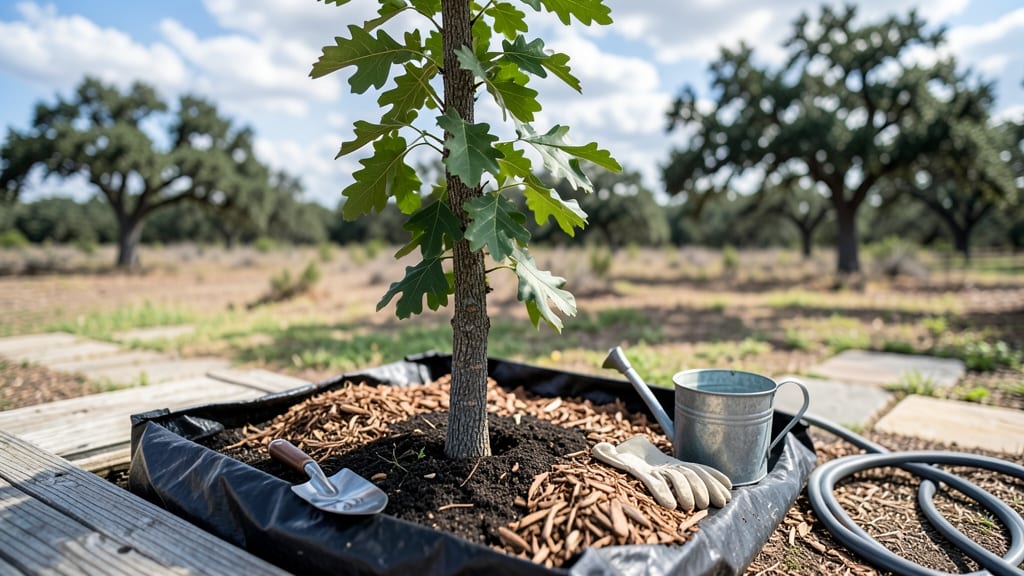
The best time to plant a tree in Texas is during the dormant season—late fall (November) or early spring (February to March)—when soil is moist but not frozen, and extreme heat or drought isn’t stressing young roots. Avoid summer planting in most regions due to intense heat and limited rainfall.
The dormant season in Texas offers the perfect balance of cooler temperatures and moist soil, which helps young trees establish strong root systems before the next growing cycle. 🌳 In late fall, the risk of extreme heat is gone, while spring planting gives trees a head start before summer's brutal sun.
Texas' diverse climate zones—from the humid South to the arid High Plains—mean timing can shift slightly by region, but these months remain the safest bet for most species. For example, North Texas might lean slightly earlier in spring than the Rio Grande Valley due to temperature differences.
What sets Texas apart is the need to account for soil types and species-specific needs. Clay-heavy soils in East Texas require extra amendments, while sandy soils in West Texas need more frequent watering.
Fruit trees, like peaches, benefit from late winter planting, while oaks prefer early spring to avoid fungal risks. Always check your local USDA zone and prepare your tree with proper mulching and watering schedules tailored to your area's microclimate.
💡 In This Article
- Texas Climate Zones and Their Ideal Tree-Planting Windows
- Preparing Texas Soil and Trees for Fall vs. Spring Planting
Texas climate zones and their ideal tree-planting windows
Texas spans USDA hardiness zones 6 through 10, creating dramatic differences in planting conditions. In Zone 6 (North Texas, like Amarillo), the ideal window is late March to early April when soil temperatures reach 50-60°F—cool enough to prevent stress but warm enough for root growth.
Meanwhile, Zone 10 (South Texas, including the Rio Grande Valley) can plant as late as December, taking advantage of mild winters where frost is rare. The transition zone (7-9) offers flexibility, but timing shifts based on rainfall patterns.
The key difference between regions lies in moisture availability. In East Texas (Zone 8a), where humidity lingers into late fall, November planting works well because soils stay damp longer. Conversely, West Texas (Zone 8b+) demands spring planting to avoid drought—soils here can dry out completely by late winter.
The High Plains (Zone 7b) presents another challenge: strong winds require deeper planting to anchor roots, making early spring (February-March) the safest bet when winds subside.
Temperature extremes play a critical role. In North Texas, late fall planting risks early freezes (20-30°F dips), while South Texas faces summer heat stress if planted too early. The Hill Country (Zone 8a) offers a middle ground—planting in November or February avoids both extremes.
What most gardeners miss is how soil temperature (not air temperature) determines root activity. A soil thermometer reading of 55°F signals readiness in most zones.
Rainfall patterns further complicate timing. East Texas receives 40-60 inches annually, allowing fall planting when soils stay moist. West Texas, with 10-20 inches, requires spring planting to capitalize on sporadic rains.
The Piney Woods region (Zone 8a) benefits from late fall's natural rainfall, while El Paso (Zone 8b) needs supplemental irrigation for spring planting. Always check local 30-year climate averages—what works in Austin may fail in Lubbock.
Species selection ties directly to these zones. Live oaks (native to East Texas) thrive when planted in early spring to avoid fungal diseases that flourish in summer humidity. Mexican sycamores (common in South Texas) can handle late fall planting due to their drought tolerance. Pecan trees, grown across zones 7-10, need spring planting in North Texas but can be planted in late winter in Zone 9.
Understanding these regional nuances prevents costly mistakes.
What's often overlooked is how microclimates within zones create local variations. A valley bottom in the Hill Country may stay 5°F warmer than surrounding ridges, allowing earlier planting. Urban areas like Houston experience "heat islands" that delay fall frost by 2-4 weeks compared to rural areas.
Always scout your specific site for 3-5 days before planting to observe temperature fluctuations.
For maximum success, align planting with your zone's last frost date and first significant rainfall after dormancy. North Texas typically sees its last frost around March 15, while South Texas rarely drops below 32°F.
Use these dates as your planting anchors—then adjust for soil conditions and species needs. The right timing transforms a 50% survival rate into a 90%+ success rate. 🌱