
Plants
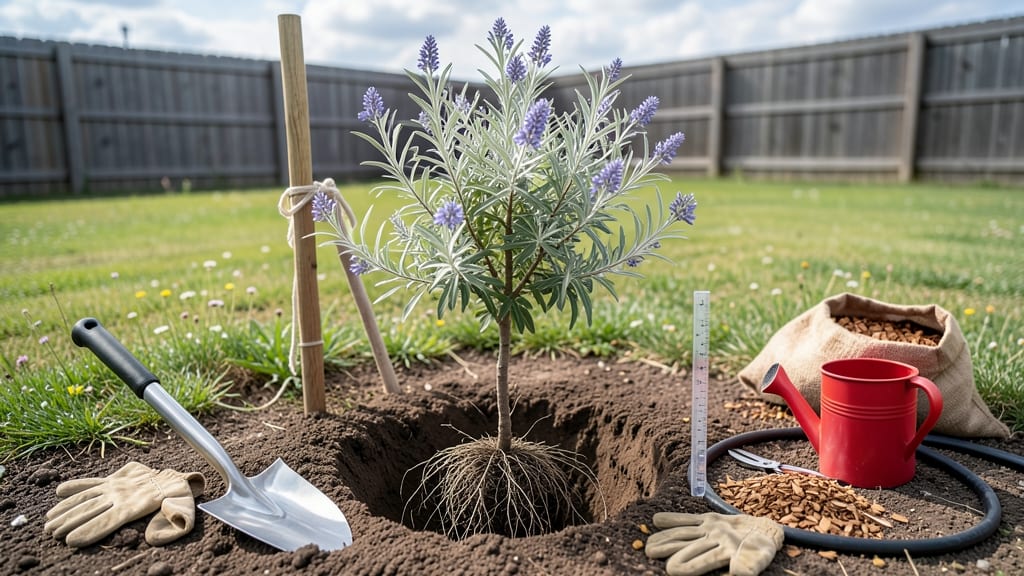
Planting a tree in Texas at the right time can mean the difference between a thriving 🌳 and a struggling sapling battling heat, drought, or even frost.
You’ve probably heard that fall is ideal—but what if you missed that window? Or maybe you’re in North Texas, where winters are colder than the Gulf Coast? Timing isn’t just about the season; it’s about your region, your tree species, and even the weather forecast.
In this guide, I’ll break down the best months to plant in North, Central, and South Texas, plus species-specific tips for oaks, pecans, and drought-resistant favorites. You’ll also learn how to avoid common mistakes that kill trees before they even take root.
Ready to plant with confidence? Let’s get started—your future shade (and wallet) will thank you.
Best months to plant trees in Texas by region (North vs. Central vs. south)
Texas' climate varies dramatically from its cool northern plains to its humid Gulf Coast, making planting timing critical. In North Texas (USDA Zones 7b-8a), you'll face harsh winters and scorching summers, while Central Texas (Zones 8a-9a) offers milder winters and hotter summers.
The South Texas (Zones 9a-10a) region enjoys longer growing seasons but faces hurricane risks and intense summer heat. Choosing the right planting window ensures your tree establishes strong roots before extreme weather strikes.
For most Texas tree species, the ideal planting window is during fall (October-December) or early spring (February-March). Fall planting allows trees to settle in before winter, while spring planting gives them full growing season to establish.
Avoid planting during summer months (June-August) when heat stress and limited rainfall can stunt growth or even kill young trees.
The Hill Country microclimate (Central Texas) has unique caliche soil and variable rainfall, requiring careful timing. Meanwhile, the Gulf Coast benefits from warmer winters but must contend with hurricane season (June-November). Understanding these regional nuances will help you maximize survival rates and accelerate growth.
🌳
In North Texas, where first frosts can arrive as early as December 1, planting in October or November gives trees time to establish roots before winter dormancy. Early spring (February-March) is your second-best option, as it avoids summer heat stress.
Popular choices for this region include Texas Red Oak and Cedar Elm, both of which thrive when planted during these windows.
Central Texas' milder winters extend the planting window slightly, with September through November being ideal. The Hill Country sub-region benefits from fall planting due to its low rainfall and caliche-rich soil.
Trees like Ashe Juniper and Mexican Sycamore are well-suited to this timing, as they can tolerate drought once established.
For South Texas, the longer frost-free season allows planting as late as October, but avoid hurricane season (June-November) when high winds and flooding can damage young trees. February and March are also excellent months, as they provide warmer soil temperatures for root development. Sapodilla and Mexican Pepper trees thrive in this climate when planted during these optimal windows.
Regardless of region, bare-root trees should be planted during their dormant season (typically winter for most species), while container-grown trees can be planted year-round with proper watering and care.
Always water deeply after planting and mulch heavily to retain moisture, especially in North and Central Texas where summer droughts are common.
One critical factor across all regions is soil temperature. Ideal soil temps for planting range between 60°F and 70°F
Top tree species in Texas and their ideal planting times
Texas' diverse climate zones—from North Texas' cooler winters to South Texas' mild winters—mean planting timing varies by species. Fast-growing shade trees like Live Oak and Cedar Elm thrive when planted in fall or early spring, while drought-tolerant natives like Texas Mountain Laurel have unique windows.
Let’s break down the best months for your favorite Texas trees.
For fruit-bearing trees like Pecan and Fig, timing matters even more. Pecans need cool dormancy periods in winter, while Figs—native to warm climates—can handle spring or fall planting but avoid summer heat stress. Drought-tolerant options like Yaupon Holly and Mountain Laurel also have distinct windows to maximize survival.
Why timing matters: Planting during Texas' dormant season (fall/winter) reduces transplant shock and water stress. Summer planting risks heat stress and drought damage, especially for young trees. Below, see the ideal planting windows for Texas' most popular trees.
For fast-growing shade trees like Live Oak and Cedar Elm, fall planting (October–December) is ideal because cooler temperatures and higher humidity help roots establish before summer heat arrives. These trees can handle Texas' alkaline soils but need well-draining conditions to avoid root rot.
If you’re planting a fruit tree like Pecan, early spring (February–March) is critical. Pecans need 60–90 days of chill hours (temperatures below 45°F) to produce nuts, so North and Central Texas are better suited than South Texas.
For Figs, spring or fall works, but avoid summer due to heat stress.
Drought-tolerant natives like Texas Mountain Laurel and Yaupon Holly should be planted in fall or early spring when soil moisture is higher. These trees are low-maintenance once established but benefit from mulching to retain moisture during Texas' dry spells.
Pro tip: Always water deeply after planting and mulch around the base to lock in moisture. For container-grown trees, plant anytime except peak summer (June–August) when evaporation is highest. With the right timing, your Texas trees will thrive for decades! 🌳