
Trees
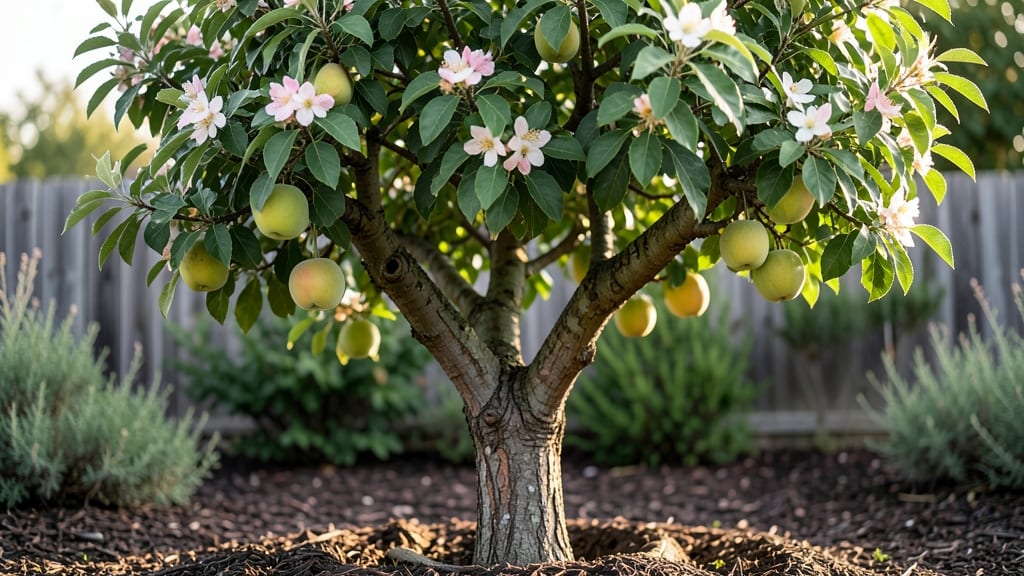
The Contender peach tree thrives in USDA hardiness zones 5 through 9, tolerating cold down to -20°F (-29°C) with proper winter care. Its cold-hardy roots and hybrid vigor make it ideal for northern peach cultivation when planted in sheltered microclimates.
The Contender peach tree's cold tolerance comes from its hybrid rootstock, which combines the hardiness of Lovell peach with the resilience of Lovell x Nemaguard genetics. 🔥 This combination allows it to push its range further north than traditional peach varieties, which typically struggle below zone 7.
The tree's delayed dormancy also helps it avoid early frost damage, making it a standout choice for gardeners in colder climates where peaches rarely thrive.
When growing Contender peaches in zone 5, focus on mulching with 4-6 inches of organic material like straw or wood chips to insulate roots. Prune in late winter to remove weak branches before new growth begins, and consider wrapping the trunk with burlap for added protection.
Sheltering the tree from harsh winds with a temporary windbreak can also improve survival rates during extreme cold snaps.
💡 In This Article
- How Contender Peaches Survive Cold Temperatures
- Winter Care Strategies for Contender Peach Trees in Zone 5
How Contender peaches survive cold temperatures
The Contender peach tree's cold resistance stems from its hybrid rootstock, a cross between the hardy Lovell peach and Nemaguard genetics. This combination creates a root system that can withstand temperatures down to -20°F (-29°C)—far colder than traditional peach varieties, which typically struggle below 10°F (-12°C).
The roots develop a thicker bark layer during winter, acting as natural insulation against freezing winds. 🔥 This genetic adaptation allows the tree to maintain cellular integrity even when exposed to prolonged subzero conditions.
The tree's delayed dormancy is another key factor in its cold survival. Unlike traditional peaches that enter dormancy early in fall, Contenders delay this process until late autumn, avoiding early frost damage to developing buds.
Their leaves also contain higher levels of antifreeze proteins (similar to those in cold-hardy fruit trees like apples), which prevent ice crystal formation within cells.
Studies show these proteins can lower the freezing point of cellular fluids by up to 5°F (3°C), giving the tree a critical survival advantage during sudden cold snaps.
Contender peaches also exhibit adaptive growth habits that enhance cold tolerance. Their branches grow more horizontally rather than vertically, which reduces exposure to harsh winter winds that can desiccate bark. The tree's canopy structure creates a natural windbreak effect, protecting the vulnerable trunk and lower branches.
Additionally, the hybrid vigor from the Nemaguard parent results in faster recovery from winter stress—something traditional peaches often struggle with in marginal zones.
What sets Contenders apart is their ability to regenerate damaged tissue quickly. When buds are exposed to -10°F (-23°C) for short periods, the tree can often produce secondary buds from latent meristems (growth points) deeper in the branch structure.
This resilience means even if some branches suffer frost damage, the tree can recover fully with proper spring care. 💫 This regenerative capacity is particularly valuable in zone 5, where winter temperatures can fluctuate dramatically between freezing and thawing cycles.
Comparing Contenders to traditional peaches reveals stark differences in cold tolerance. A standard Elberta peach, for example, typically survives only to 15°F (-9°C) without protection, while Contenders can handle 10°F colder temperatures.
The hybrid rootstock's ability to store more starch reserves in the roots also provides energy for early spring growth, giving the tree a head start in recovering from winter stress before other varieties even begin to leaf out.
For gardeners in zone 5, this cold resistance translates to fewer failed harvests. While traditional peaches may produce little to no fruit after a harsh winter, Contenders often rebound with full production.
The tree's ability to push its range into colder climates makes it a game-changer for northern fruit growers who've previously been limited to apples or cherries. 🌟 This physiological advantage means you can successfully grow peaches in regions where they were once considered impossible.