
Plants
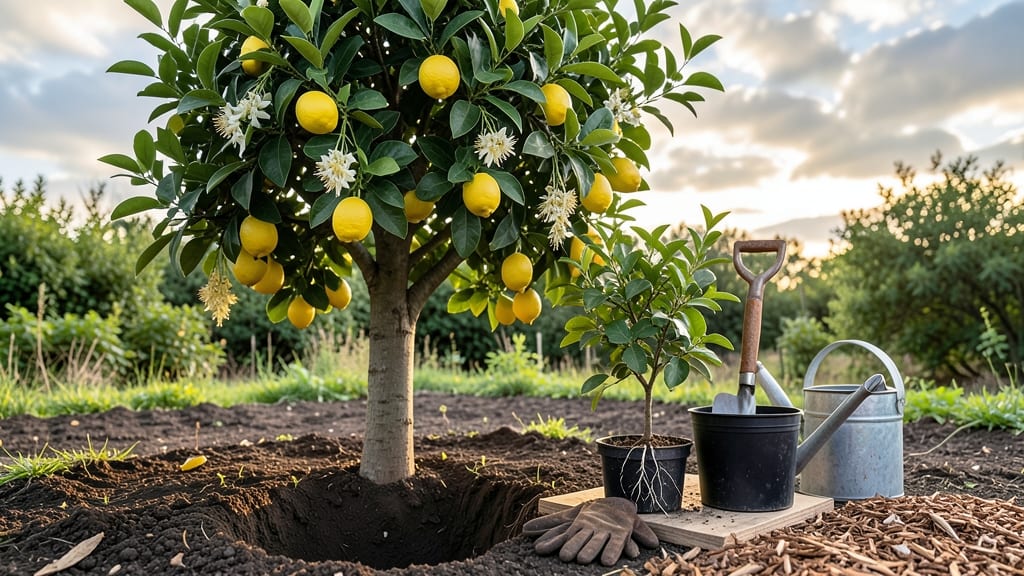
The best time to plant a lemon tree in California is late winter to early spring 🍋, when soil temperatures rise and frost risks fade—especially in inland zones like 9a-10a.
Picture this: you’ve just brought home a young lemon tree, eager to watch it thrive in your backyard. But if you plant too early, cold snaps can stall root growth, while waiting too long risks summer heat stress before the tree establishes itself.
The sweet spot balances these extremes, giving your tree the best shot at strong, deep roots before the growing season kicks into high gear.
California’s climate varies wildly from coast to inland valleys, so timing isn’t one-size-fits-all. Coastal areas (zones 9b-11) can plant year-round thanks to mild winters, but inland growers should wait until March or April to avoid late frosts.
Even a few degrees can make the difference between a struggling sapling and a vigorous tree ready to burst into leaf.
Below, I’ll break down the exact months for your zone, how to prep soil for faster rooting, and the one mistake that kills lemon trees in their first year—plus how to avoid it. Ready to get growing?
California’s best planting months for lemon trees by USDA hardiness zones
California’s Mediterranean climate makes it a perfect home for lemon trees, but timing your planting depends heavily on your USDA hardiness zone. Coastal areas (zones 9b-11) enjoy year-round frost-free conditions, while inland zones (9a-10a) face occasional light frosts that can damage young trees.
Understanding these differences ensures your lemon tree establishes strong roots before summer heat arrives.
In coastal zones (9b-11), you can plant year-round, but spring (March-May) is ideal for transplanting. The soil warms consistently after winter rains, and humidity levels support root growth.
Inland zones (9a-10a) should wait until after the last frost risk—typically late February to April—to avoid cold damage to delicate citrus roots.
Soil temperature is another critical factor. Lemon trees thrive when soil reaches 60°F or warmer. In cooler inland zones, wait until soil warms in late spring (May) to prevent root shock. Use a soil thermometer to confirm readiness—this small tool can save your tree from stunted growth.
Let’s break down the best planting windows by zone, including frost risk, soil prep tips, and seasonal considerations to maximize your lemon tree’s success.
In Zone 9a, where light frosts can occur, prioritize planting after the last frost date (typically mid-February). Use frost cloth or plant in containers for added protection if planting earlier.
The soil may still be cold in early spring, so consider heating cables for container-grown trees to accelerate root growth.
For Zone 9b and above, where frosts are rare or nonexistent, spring planting (March-May) aligns with natural rainfall patterns. This timing ensures your lemon tree gets consistent moisture without the risk of waterlogged soil that can suffocate roots.
If you plant in summer or fall, prioritize deep watering and shade cloth to reduce stress.
One common mistake is planting too early in cooler zones. If you plant in January or early February, your lemon tree’s roots may linger in cold soil, delaying establishment.
Instead, wait until soil temperatures exceed 60°F—this typically happens in late February to April for inland areas. Use a soil thermometer to avoid guesswork.
Container planting offers flexibility for coastal gardeners who want to plant outside the ideal window. Since containers heat up faster than ground soil, you can plant year-round in Zones 10b-11. Just ensure your pot has drainage holes and use a lightweight, well
Signs your California soil and climate are ready for lemon tree planting
Before digging into your California garden, check these critical signs that your soil and climate are primed for a thriving lemon tree. The right conditions mean faster root establishment and healthier growth—especially in California's diverse microclimates.
Start by verifying your local frost-free period, as even inland areas can experience unexpected chills.
Lemon trees thrive when soil temperatures stay above 60°F (15°C)—this is your green light for planting. Use a soil thermometer to test depth (6 inches down).
Coastal regions like San Diego often hit this mark by February or March, while inland areas may need to wait until April or May to avoid late frosts.
⚠️ Warning: Frost Risk in Inland California
Even USDA Zone 10 areas (like Sacramento) can see light frosts after December 15. Planting a lemon tree before March 1 in these zones risks root damage or death. Coastal zones (Zone 9b-11) are frost-free year-round, so timing is flexible—but spring planting still yields best results.
Next, assess your humidity levels. Lemon trees prefer moderate humidity (40-60%), but California’s dry air—especially inland—can stress young trees. If your area is arid (below 30%), consider planting near a drip irrigation system or using mulch to retain moisture.
Coastal regions naturally have higher humidity, making them ideal for lemon trees.
Pay attention to microclimate factors like wind exposure and afternoon shade. Lemon trees hate strong winds, which dry out leaves and stunt growth. If your yard is windy, plant near a windbreak (like a fence or hedge) or choose a sheltered spot against a wall.
Partial afternoon shade helps inland areas avoid heat stress during summer.
Finally, test your soil drainage. Lemon trees hate soggy roots—they need soil that drains within 2-4 hours after watering. If your soil feels compacted or clay-heavy, amend it with compost or sand before planting.
A simple percolation test (dig a hole, fill with water, time drainage) will reveal if your soil is ready.
With these key indicators checked, your California garden is ready for a lemon tree that grows strong and bears fruit for years. Start planting when soil warms, frosts fade, and your microclimate aligns with the tree’s needs—your future harvest depends on it! 🌱