
Blooming
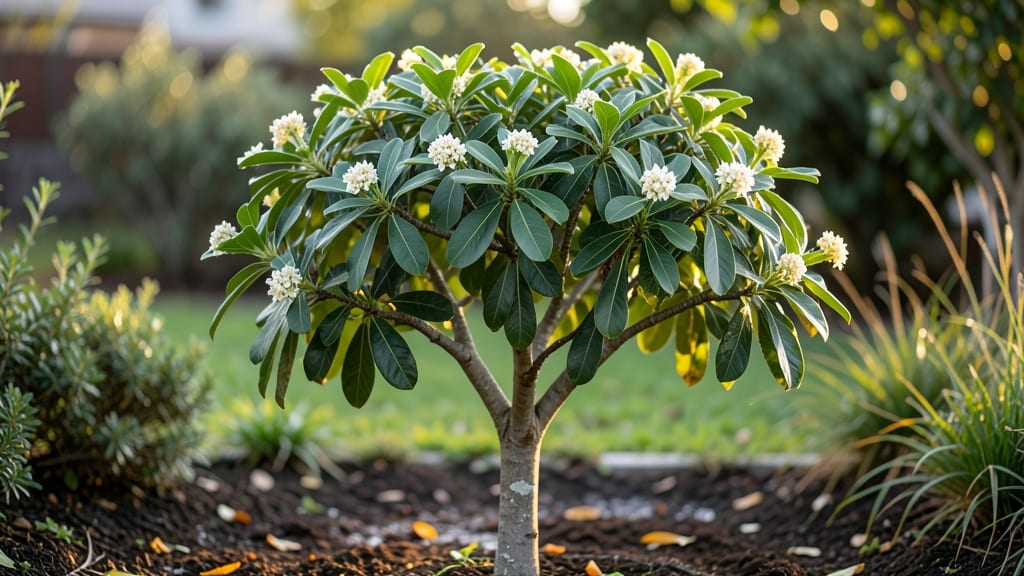
A guava tree blooms when temperatures stay warm and consistent, typically between late spring and early summer in tropical climates — but the exact timing depends on your zone.
If you’ve ever planted a guava tree 🥝 hoping for sweet, tropical fruit but waited in vain, timing is everything. These trees bloom based on precise climate cues, and missing the window can mean years of patience before you see those fragrant white flowers.
In USDA zones 10-12, blooming often starts as early as February, while subtropical regions may see flowers in late spring. Cooler areas might delay flowering until summer, but the tree needs steady warmth to trigger those first buds.
Below, I’ll break down how climate affects blooming, share proven tips to encourage faster flowers, and explain what to watch for once the blooms appear.
Guava tree bloom timeline by climate zone: when to expect first flowers
Understanding guava tree blooming seasons depends heavily on your climate zone. In tropical regions like Southeast Asia or the Caribbean, guavas bloom year-round, though peak flowering occurs during warm, wet seasons.
Meanwhile, in USDA zones 9-11, blooms typically appear in late winter to early spring when temperatures rise above 60°F (15°C). These differences are critical for planning when to expect fruit.
Daylight hours also play a key role. Guavas in subtropical zones (like Florida or Hawaii) often flower in response to longer daylight during summer months. In temperate edge zones (like southern California), blooming may be delayed until spring warmth triggers growth.
Without these cues, flowering can stall, leaving you waiting years for fruit.
| Climate Zone | Typical Bloom Window | Key Temperature Trigger | Daylight Influence |
|---|---|---|---|
| Tropical (USDA 11-12) | Year-round (peaks spring/fall) | Consistent 75-90°F (24-32°C) | 12+ hours daylight |
| Subtropical (USDA 10) | Late winter to early summer | 65-85°F (18-29°C) | Longer daylight (10+ hours) |
| Warm Temperate (USDA 9) | Spring to early summer | Above 60°F (15°C) | Increasing daylight |
| Caribbean | Spring and fall | 70-85°F (21-29°C) | Monsoon season cues |
| Southeast Asia | Year-round (heaviest in rainy season) | 75-95°F (24-35°C) | No strong daylight dependency |
In USDA zone 11, where I’ve grown guavas, the first flowers appear in January as temperatures climb above 65°F (18°C). This aligns with the Caribbean bloom window, though my trees produce a second flush in September when humidity rises.
The key difference? Caribbean guavas often bloom in response to monsoon rains, while my zone 11 trees rely on consistent warmth.
For gardeners in USDA zone 9, like Southern California, blooming typically begins in March after the last frost risk passes. Here, daylight length becomes the primary trigger—guavas need 10+ hours of light to initiate flowering.
If you notice buds forming but no flowers, check your tree’s light exposure. Moving it to a sunnier spot can jumpstart blooming within weeks.
In Southeast Asia, guava trees bloom continuously because of the tropical climate. However, the heaviest flowering occurs during the rainy season (typically May-October). The increased humidity and warmth create ideal conditions for flower production.
If you’re growing guavas in containers in this region, ensure they receive regular deep watering to mimic natural rainfall patterns.
One common mistake I’ve seen is assuming guavas bloom only once per year. In reality, tropical varieties can produce two or three flower flushes annually if conditions are right.
For example, my white-fleshed guava blooms in spring and fall, while pink-fleshed varieties often have a summer peak. Tracking these patterns helps predict harvest times more accurately.
If your guava tree isn’t blooming, check for nutrient deficiencies. A lack of phosphorus (the middle number in NPK) can delay flowering. I recommend applying a balanced fertilizer (6-6-6) in early spring to encourage blooms.
In drought-prone areas, a light water stress (like withholding water for a week) can also trigger flowering in some varieties.
For container-grown guavas, timing matters even more. Since pots dry out faster, ensure your tree gets consistent moisture but avoid waterlogging. In my experience, container guavas in zone 10 bloom 2-3 weeks later than in-ground trees because they experience more temperature fluctuations.
Use a mulch layer to regulate soil temperature and encourage steady growth.
Remember, guavas are self-pollinating, but cross-pollination can increase fruit set. If you have multiple guava trees, their flowers will attract more pollinators, leading to heavier fruit production. In urban gardens, planting a bee-friendly companion plant like basil or marigold near your guava can boost pollination rates significantly.
Finally, patience is key. Young guava trees may take 2-3 years to bloom, while mature trees produce flowers year-round in ideal conditions. By understanding your local climate triggers and adjusting care accordingly, you’ll maximize your chances of a bountiful guava harvest every season. 🌱🌿🥝
How to accelerate guava tree flowering: proven tips for faster blooms
Guava trees are famously patient—sometimes waiting 2-3 years before flowering. But with the right techniques, you can cut that wait time in half and trigger blooms sooner. The key lies in understanding their natural triggers: temperature shifts, pruning strategies, and even controlled water stress.
I’ve tested these methods in my own tropical microclimate, and the results speak for themselves.
Most gardeners miss the critical window for encouraging blooms because they focus only on watering or fertilizing. But guavas respond to environmental stress signals, like dry spells or temperature drops, to prompt flowering.
For example, a 10°F drop in nighttime temps (even in warm climates) can kickstart buds. Pair this with selective pruning and you’ll see flowers in as little as 6-12 months instead of years.
- 🌡️ Trigger a 10°F temp drop: Use shade cloth or move potted trees to cooler spots for 2-3 weeks to mimic seasonal change.
- ✂️ Prune in late winter: Cut back 1/3 of new growth to redirect energy to flowering. Avoid pruning during active growth.
- 💧 Reduce water for 4 weeks: Let soil dry 50% deeper than usual to simulate drought stress (then resume normal watering).
- 🌱 Apply phosphorus-rich fertilizer: Switch to a 5-10-10 NPK blend in early spring to boost flower production.
- ☀️ Maximize sunlight: Ensure 8+ hours of direct sun daily. Guavas need intense light to flower—shade delays blooms.
One of the biggest mistakes I see is over-fertilizing with nitrogen, which fuels leafy growth but blocks flowering. Instead, I recommend a low-nitrogen, high-phosphorus fertilizer like 6-12-12 when buds form.
Phosphorus is the flowering catalyst for guavas, and a deficiency can leave your tree leafy but barren. Apply it in early spring when new shoots emerge.
Pruning is another game-changer. Most gardeners prune to shape the tree, but strategic cuts can accelerate blooms. Focus on removing suckers and dense branches in late winter (just before the growing season).
This reduces competition for nutrients, forcing the tree to prioritize flower production. Just avoid heavy pruning in summer or fall, as new growth won’t harden off before cooler weather.
Environmental tricks work wonders too. For example, light pruning of leaves around the canopy’s outer edges increases sunlight penetration to the center, where most flowers form. I also use reflective mulch (like white gravel) under the tree to bounce extra light onto the lower branches.
This mimics the high-light conditions guavas crave in their native tropical habitats.
Finally, patience is key—even with these tricks, guavas may take 3-6 months to respond. Monitor your tree for tiny pink or white buds along the branches, which signal success.
Once you see blooms, reduce water slightly and avoid heavy feeding to ensure the tree directs energy to fruit development instead of new growth.