
Pruning
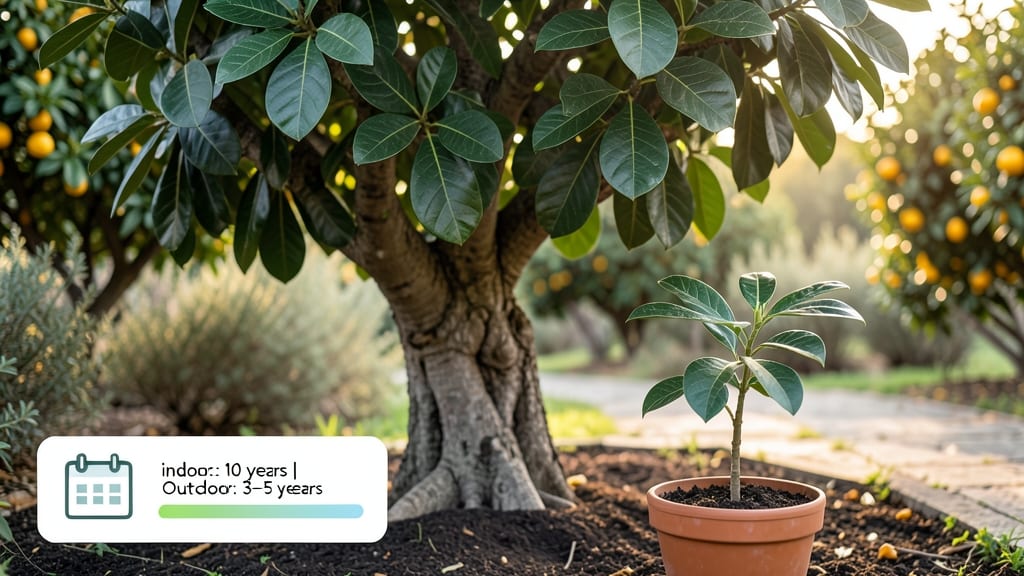
Avocado trees produce fruit between 2 and 4 years after planting, but the exact timeline depends on your climate, variety, and care routine.
Picture this: you’ve nurtured your 🥑 from a tiny seedling, only to wonder why it’s taking so long to bear fruit. The truth is, some varieties in cooler zones can wait up to 13 years, while tropical types might surprise you with harvests in just 2 years.
That’s why knowing your zone and tree type is the key to setting realistic expectations.
Beyond age, factors like temperature, soil health, and even watering habits play a huge role. For example, Type A and Type B avocado trees have different flowering triggers—one blooms in spring, the other in fall.
Without the right conditions, your tree might just be sitting there looking pretty without a single fruit in sight.
In this guide, I’ll break down the exact timelines by climate zone, share tips to encourage earlier fruiting, and debunk the myth that all avocado trees take a decade to produce. Ready to turn patience into progress?
Avocado tree fruit production timeline by climate Zone
If you’re growing an avocado tree, one of the most common questions is: when will it finally produce fruit? The answer isn’t just about waiting—it depends on your climate zone, the tree’s variety type, and how well you care for it.
In warmer USDA zones (9-11), avocado trees thrive, but their fruiting timeline varies dramatically between Type A and Type B varieties, as well as tropical vs. subtropical conditions. Let’s break down the exact timelines so you know what to expect.
First, understand that avocado trees are divided into two flowering groups: Type A (morning flowers) and Type B (afternoon flowers). For fruit to form, you need both types nearby for cross-pollination.
In tropical zones like USDA Zone 11, flowering happens year-round, while subtropical zones (like USDA Zone 9) have distinct spring and fall blooming seasons. Temperature also plays a critical role—too much heat or cold can delay or even prevent flowering entirely.
Here’s the key insight: Type A trees typically bear fruit 1-2 years earlier than Type B in ideal conditions, but this varies by zone.
For example, a Hass avocado (Type B) in Zone 10 might take 3-5 years to fruit, while a Fuerte (Type A) in Zone 11 could produce fruit in as little as 2-3 years. Let’s dive into the specifics for each zone to set realistic expectations for your harvest.
| Climate Zone | Type A Varieties (e.g., Fuerte, Bacon) | Type B Varieties (e.g., Hass, Reed) | Key Temperature Notes | Fruiting Window |
|---|---|---|---|---|
| USDA Zone 9 (Subtropical) | 3-5 years (with ideal care) | 4-6 years (slower due to seasonal blooms) | Needs winter chill (300-500 hours below 68°F) for Type B varieties to flower. | Spring and fall (primary blooms); limited summer fruiting. |
| USDA Zone 10 (Warm Subtropical) | 2-4 years (faster in containers) | 3-5 years (Type B benefits from mild winters) | Minimal chill requirement; Type B can fruit year-round if pollinated. | Year-round blooms, but peak harvest in late spring/early summer. |
| USDA Zone 11 (Tropical) | 1.5-3 years (fastest fruiting) | 2-4 years (no chill requirement delays Type B slightly) | No winter dormancy; continuous flowering if temperatures stay warm. | Multiple harvests per year (spring, summer, fall). |
| 🌱 PRO TIP: In containers, avocados fruit 1-2 years earlier due to controlled conditions and easier pollination management. | ||||
In USDA Zone 9, where winters are cooler, Type A varieties like Fuerte often outperform Type B trees like Hass because they don’t require as much chill to trigger flowering. However, if you plant both types, you’ll see better pollination and earlier fruit.
For example, a Bacon avocado (Type A) in Zone 9 might produce its first fruit in 3 years, while a Hass (Type B) could take closer to 5 years without proper chill hours.
Moving to Zone 10, the timeline shortens significantly. Here, Type A trees like Lamb Hass can bear fruit in as little as 2 years if given optimal care, while Type B varieties like Hass might take 3-4 years.
The warmer climate reduces the need for winter dormancy, allowing for year-round flowering. However, you’ll still need to ensure cross-pollination by planting at least one Type A and one Type B tree nearby.
For those in Zone 11, the good news is that avocado trees fruit faster than anywhere else. Type A varieties like Pinkerton can produce fruit in as little as 1.5 years, while Type B trees like Hass might take 2-3 years.
The tropical climate eliminates the need for winter chill, meaning continuous blooming and multiple harvests per year. If you’re growing in containers, you can even move them indoors during extreme heat to protect young trees and encourage faster fruiting.
Temperature fluctuations are the biggest wild card in avocado fruit production. For instance, if a Type B Hass in Zone 10 experiences an unexpected cold snap, it may delay flowering by a full year. Conversely, consistent warmth in Zone 11 ensures faster maturation and earlier harvests.
To maximize your chances of success, monitor your tree’s flowering patterns and adjust care accordingly—such as providing balanced fertilization and consistent watering during blooming seasons.
One common misconception is that avocado trees always take 5-13 years to fruit. While this is true for some neglected or poorly cared-for trees, well-maintained trees in ideal zones can fruit in as little as 2 years.
The key is understanding your local climate nuances and choosing the right variety. For example, if you’re in Zone 9 and want a fast-fruiting tree, opt for a Type A variety like Fuerte—it’s less finicky about chill hours and more reliable for early harvests.
Finally, remember that container-grown avocados often fruit earlier than ground-planted trees because you can control soil, water, and pollination more effectively. If you’re in a cooler zone (like Zone 9) and
Key factors that speed up or delay avocado fruit production
Your avocado tree’s journey from seedling to fruit-bearing glory isn’t just about time—it’s about perfecting the right conditions. While some varieties take 5-13 years to produce fruit, others can bear in as little as 3-4 years with ideal care.
The difference often comes down to pollination success, soil health, and how you prune and water your tree.
Let’s break down the critical factors that either accelerate or stall your avocado’s fruiting timeline. Understanding these will help you troubleshoot delays and create the perfect environment for a bountiful harvest. Whether you’re growing from seed or a nursery tree, these insights will make all the difference.
One of the biggest myths about avocado trees is that they always take 10+ years to fruit. In reality, with the right pollination partners and soil conditions, many trees produce fruit in 3-5 years.
For example, Hass avocados (Type B) often fruit faster when paired with a Type A variety like Reed. Keep an eye on your tree’s flowering patterns—if you see blooms but no fruit, pollination is likely the issue.
If your tree is mature but still not fruiting, check for nutrient deficiencies (yellow leaves = nitrogen; brown spots = potassium). Adjust your watering schedule and pruning approach based on the season.
For instance, reducing water in late summer can trigger flowering in some varieties. Patience and precision pay off—your first harvest could be just around the corner! 🌱
Remember, avocados are sensitive to stress, so consistency in care is key. Whether you’re dealing with container-grown trees or full-size orchards, these factors will determine how quickly you go from blooms to fruit.
Start with the basics, monitor your tree’s response, and don’t hesitate to adjust your routine as needed. 🥑