
Trees
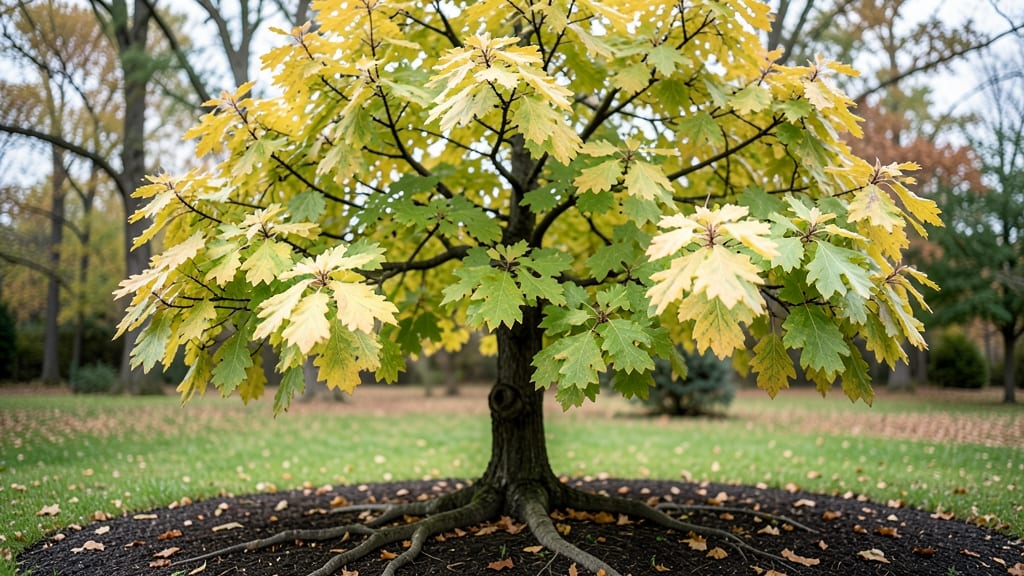
Yellow leaves on elm trees usually indicate stress from overwatering, nutrient shortages, fungal diseases like Dutch elm disease, or harsh environmental conditions such as extreme heat or poor soil drainage. Pinpoint the exact issue by examining soil moisture, leaf undersides, and bark for disease symptoms or pest damage before applying any treatment.
Elm trees often show yellow leaves as a distress signal, and the cause can vary widely. 🌳 Overwatering or poor drainage creates oxygen deprivation in roots, while nutrient deficiencies—especially iron chlorosis—turn leaves pale yellow with green veins.
Fungal infections like Dutch elm disease cause yellowing paired with wilting or browning edges, while environmental stress from heat or drought leads to gradual yellowing from the edges inward. Each scenario requires a different approach, so accurate diagnosis is key to saving your tree.
For example, iron-deficient trees need soil amendments with chelated iron, while overwatered elms benefit from improved drainage and adjusted irrigation schedules. Fungal diseases often require professional intervention, including pruning infected branches and targeted fungicides.
The good news? Most yellowing issues are reversible with the right care—once you identify the root problem.
💡 In This Article
- Diagnosing Elm Tree Leaf Discoloration: Root Causes Explained
- Step-by-Step Elm Tree Care Fixes for Yellowing Leaves
Diagnosing elm tree leaf discoloration: root causes explained
Elm trees exhibit yellow leaves primarily due to nutrient imbalances or physiological stress. Iron chlorosis, the most common deficiency, occurs when iron becomes unavailable in alkaline soils (pH >7.0), blocking chlorophyll production. This creates a classic yellowing pattern where leaf veins remain green while surrounding tissue turns pale yellow.
The science behind this involves iron's role in chlorophyll synthesis—when soil pH exceeds 7.0, iron oxidizes into insoluble forms that roots can't absorb, disrupting photosynthesis at a cellular level.
Fungal infections like Dutch elm disease (DED) work differently by clogging the tree's vascular system. The pathogen Ophiostoma novo-ulmi produces spores that invade through bark wounds, blocking water and nutrient transport. Infected trees show yellowing between leaf veins first, followed by wilting and browning.
Microscopic examination reveals fungal plugs in xylem vessels, which is why DED spreads rapidly through connected root systems—often killing entire trees within weeks if untreated. 🌿
Environmental stress from extreme heat or poor drainage causes yellowing through oxygen deprivation. When soil remains waterlogged for extended periods, roots suffocate due to lack of oxygen, triggering anaerobic respiration. This process produces toxic byproducts like ethanol that damage root cells, leading to gradual yellowing from leaf edges inward.
Conversely, drought stress causes yellowing from the edges inward as the tree prioritizes water transport to younger leaves, sacrificing older foliage first.
Visual clues help distinguish these causes: chlorosis shows vein retention, DED includes wilting/browning, and environmental stress often appears uniform across leaves. Soil tests (pH, nutrient levels) and bark inspections for fungal cankers can confirm diagnoses.
For example, a soil pH of 7.5+ strongly suggests chlorosis, while dark streaks under bark indicate DED infection. Understanding these mechanisms lets you target treatments precisely—whether it's acidifying soil or removing infected branches.
Seasonal patterns also matter: spring yellowing often signals chlorosis, while summer wilting points to DED or heat stress. The timing of symptoms helps narrow down causes. For instance, if yellowing appears after heavy rains but disappears when soil dries, poor drainage is likely.
These patterns create a diagnostic roadmap that eliminates guesswork in tree care. 🔍
Advanced cases may require lab analysis, but basic field tests can reveal most issues. For example, a simple leaf scrape test (rubbing a leaf between fingers) shows iron deficiency through pale, brittle tissue.
Meanwhile, DED-infected leaves often have dark brown streaks when examined closely. These practical checks bridge the gap between symptoms and science, making diagnosis accessible to homeowners.