
Pests and Diseases
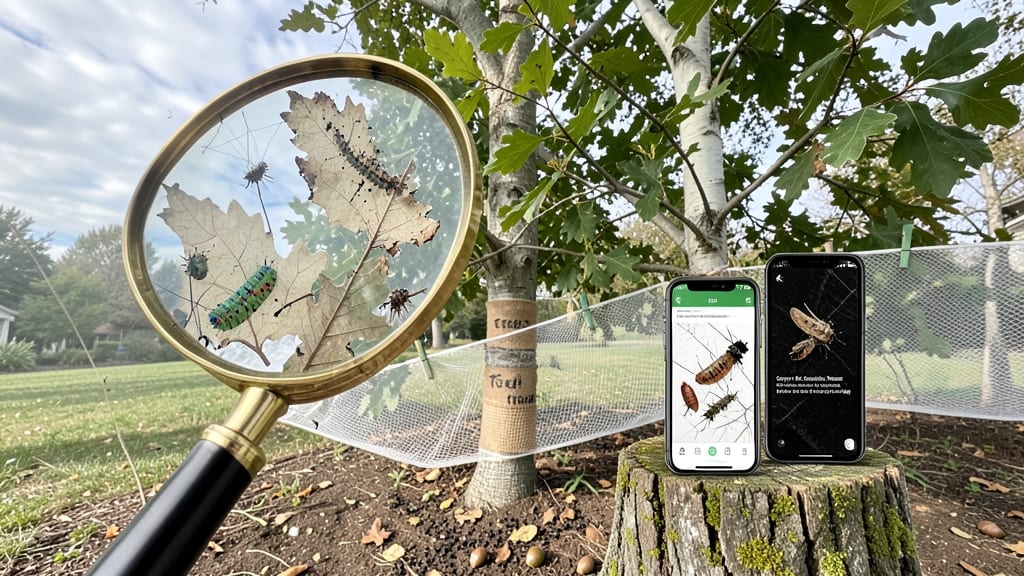
If your tree leaves are being eaten, the culprits are likely caterpillars, aphids, Japanese beetles, or deer, each leaving unique bite marks and damage patterns. Examine leaf edges, chew patterns, and droppings to identify the pest and choose the most effective treatment.
Finding chewed leaves on your tree isn't just frustrating—it's a clear signal that something's actively feeding on your plant. 🌳 The key to solving the problem starts with observation: caterpillars leave ragged edges, while Japanese beetles create skeletonized leaves with precise notches.
Deer, on the other hand, tend to strip entire branches clean, often targeting younger trees. I've seen aphids create sticky residue called honeydew, which can attract ants and promote fungal growth.
The sooner you identify the pest, the faster you can implement targeted solutions—whether that's organic sprays, physical barriers, or even encouraging natural predators like ladybugs.
Once you've pinpointed the culprit, the next step is choosing the right defense. For example, neem oil works wonders against aphids and caterpillars, while Japanese beetle traps can reduce their numbers significantly. If deer are the issue, fencing or repellents become your best allies.
The good news? Most of these pests have seasonal patterns, so timing your treatments can make all the difference. I always recommend starting with natural solutions before reaching for chemicals, especially if you have children or pets around.
💡 In This Article
- Common Tree Leaf-Eating Pests and Their Damage Patterns
- Natural and Chemical Solutions for Tree Leaf Damage Prevention
Common tree leaf-eating pests and their damage patterns
The key to identifying what's devouring your tree lies in the details of the damage. Caterpillars, for instance, create irregular, ragged edges along leaf margins, often leaving behind green or black frass (droppings) that resemble tiny rice grains.
These larvae typically feed at night, which explains why you might miss them during daytime inspections. 🌿 Their feeding patterns are often concentrated on the outer leaves, working their way inward as they grow.
Japanese beetles, on the other hand, leave behind a distinctive skeletonized pattern—they chew away the soft tissue between leaf veins while leaving the tougher framework intact.
You'll notice precise, half-moon-shaped notches along the leaf edges, and the beetles themselves are easy to spot with their metallic green heads and coppery wings.
These pests are most active between 10 AM and 4 PM during warm summer months, often gathering in groups on trees like roses, lindens, and oaks.
Aphids create a different kind of problem—they suck plant sap rather than chew leaves, leaving behind sticky honeydew residue that can foster sooty mold. Look for curling or yellowing leaves with tiny clusters of aphids (often green, black, or pink) on the undersides.
Their damage is more about weakening the tree than creating visible holes. Deer, meanwhile, leave clean, straight-edged bites that often strip entire branches, particularly on younger trees or tender shoots.
Seasonal timing plays a crucial role in identification. Caterpillars and beetles typically emerge in late spring to early summer, while deer browsing peaks in fall and winter when other food sources dwindle.
Aphid infestations can occur year-round but often spike in spring and early summer when new growth is most vulnerable. Understanding these patterns helps you predict when to expect damage and when to implement preventive measures.
Another telling clue is the size of the damage relative to the tree's overall health. Heavy infestations by caterpillars or beetles can cause leaves to wilt or drop prematurely, while aphids may lead to stunted growth.
Deer browsing often targets younger, more tender growth, leaving behind a jagged, uneven appearance on branch tips. These visual cues collectively paint a picture of which pest is most likely at work.
For accurate identification, examine both the leaves and surrounding area. Look for eggs, cocoons, or adult insects hiding on the undersides of leaves or in bark crevices. Japanese beetles, for example, often hide in grass during the day before emerging to feed.
Caterpillars may spin silken webs between leaves, creating visible tent-like structures. These additional clues can confirm your initial assessment and guide your treatment choices.
Remember that some damage might be caused by multiple pests working in tandem. For instance, you might find aphids on the leaves while caterpillars are chewing the edges. In such cases, a broad-spectrum approach that targets both sucking and chewing insects will be most effective.
The more details you gather, the more precisely you can tailor your response. 🔍