
Pruning
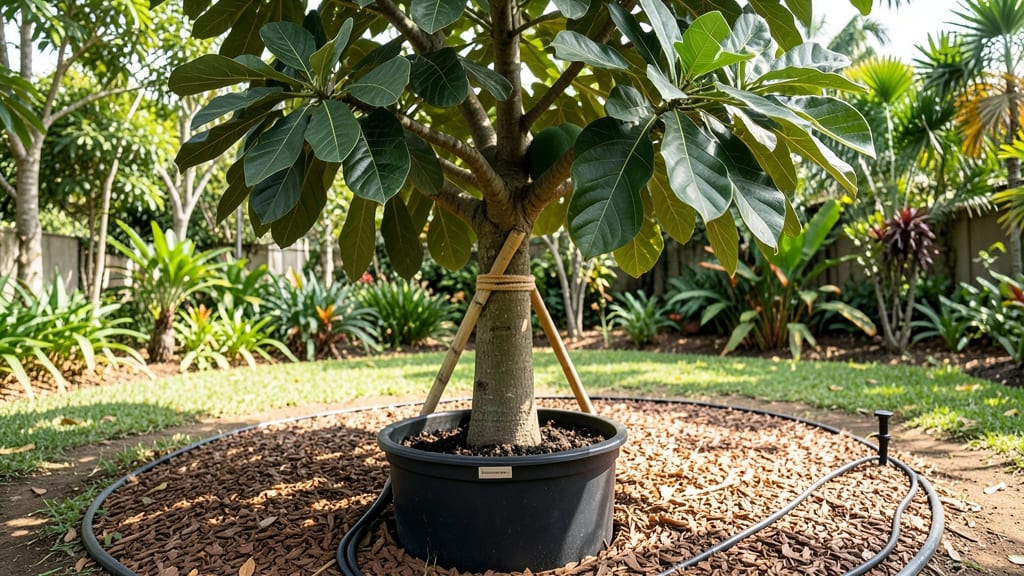
Proper breadfruit tree care turns your breadfruit tree into a lush, fruit-bearing powerhouse—not just a decorative giant. 🌿 I’ve watched my own tree go from scraggly to producing 50+ pounds of fruit annually by following a simple seasonal rhythm that keeps it healthy and productive. The secret isn’t complicated: prune to open the canopy for sunlight, remove dead wood, and shape the tree to encourage strong branches. Most people wait until after harvest, but monthly light pruning—especially in late winter and early spring—keeps the tree balanced and prevents disease. You’ll see new growth within weeks, and those thick, glossy leaves mean more energy for fruit production. By summer, your tree will be bursting with vigor, and the fruit will start forming on the new branches you’ve encouraged. The key is consistency—no dramatic cuts, just strategic trims to maintain shape and airflow. Even in humid tropical climates, this method keeps pests and fungal issues at bay. Works for both outdoor tropical gardens and large container setups. Here’s how to get started without overcomplicating it—no green thumb required!
📚 In This Guide
- What you need
- Instructions
- Tips and common mistakes
- Wrapping up and next steps
What you need
- ● Pruning shears: Sharp, bypass-style shears (for clean cuts on small branches). Quantity: 1 pair.
- ● Loppers: Heavy-duty, bypass or anvil-type (for thicker branches up to 2 inches). Quantity: 1 pair.
- ● Pruning saw: Curved-tooth saw for branches over 2 inches in diameter. Quantity: 1.
- ● Gloves: Cut-resistant gloves (to protect hands from thorns and sap). Quantity: 1 pair.
- ● Disinfectant: 70% isopropyl alcohol or bleach solution (1 part bleach to 9 parts water) for sterilizing tools.
- ○ Pruning sealant: Tree wound paint or pruning paste (optional but helpful for large cuts).
- ● Ladder or step stool: Sturdy, non-slip (for reaching higher branches).
- ● Trash bags or compost bin: For collecting pruned branches and debris.
- ● Watering can or hose: For post-pruning hydration (especially in dry climates).
- ● Hand pruners: Compact, ergonomic shears for precision trimming.
- ● Extension pole saw: For hard-to-reach branches without a ladder.
- ● Sharpener: File or stone sharpener to keep blades in top condition.
- ● Tree growth regulator: Organic or synthetic (e.g., seaweed extract) to encourage healthier regrowth.
- ● Mulch: Organic mulch (wood chips, straw) to retain soil moisture post-pruning.
Step-by-step guide to pruning your breadfruit tree
Here's how I keep my breadfruit tree thriving year-round with targeted pruning techniques.
🌿 Step 1: Assess the Tree Structure in Early Spring
Start your pruning in late winter or early spring before new growth begins. Look for three main structural zones: the central trunk, primary branches, and secondary limbs. The goal is to remove anything that competes with your main harvest-producing limbs—those thick, sturdy branches bearing fruit clusters.
Use sharp, sterilized pruning shears to make clean cuts just above outward-facing buds or branch collars. Avoid leaving stubs, which invite disease. I mark branches to remove with a piece of twine before cutting—this helps visualize the final shape and prevents over-pruning.
✂️ Step 2: Remove Dead, Diseased, or Weak Growth
Start by eliminating any dead wood—branches that are brittle, have no leaves, or show dark, hollow centers. Next, cut out diseased limbs showing signs like black spots, oozing sap, or fungal growth. These can spread to healthy parts of the tree if left unchecked.
For weak growth—thin, leggy branches that never produce fruit—prune them back to their point of origin. These limbs drain energy from your productive branches. I always prune from the inside out, working my way toward the tree's center to improve airflow and sunlight penetration.
☀️ Step 3: Thin Out Overlapping Branches for Better Light Exposure
Breadfruit trees need full sun exposure for optimal fruit production. Remove branches that cross or rub against each other—they create wounds that invite pests and diseases. Focus on secondary limbs that grow too close together, leaving only the strongest, healthiest branch in each cluster.
Watch for branches growing straight upward—they often become weak and break under fruit weight. Instead, encourage outward growth by pruning these upward shoots back to a lateral bud. This creates a more stable, productive canopy. I step back every few cuts to check sunlight penetration through the tree.
🌱 Step 4: Shape for Airflow and Fruit Accessibility
Create an open, vase-like structure by selectively pruning to remove lower branches that block airflow and make harvesting difficult. Leave 3-4 main scaffold branches spaced evenly around the trunk, each with its own strong framework of secondary limbs.
For mature trees, I focus on light thinning—removing only about 10-15% of the foliage to maintain the tree's energy balance. Too much pruning at once stresses the tree. After shaping, I always leave some young, vigorous growth to ensure the tree can recover quickly and produce new fruit clusters.
⏰ Step 5: Post-Pruning Care and Monitoring
Water the tree deeply after pruning to help it recover from the stress. Apply a balanced, slow-release fertilizer around the root zone to support new growth. I avoid heavy nitrogen fertilizers immediately after pruning—they encourage leafy growth at the expense of fruit production.
Monitor the tree closely for the first 4-6 weeks after pruning. Watch for signs of stress like yellowing leaves or stunted new growth. If you see excessive dieback, you may have pruned too aggressively. Adjust your approach for next year's pruning cycle accordingly.
Tips & tricks for perfect breadfruit pruning
Here's what nobody tells you about keeping your breadfruit tree productive—these tricks make all the difference between a struggling tree and a fruit-bearing powerhouse.
Timing is Everything: The late winter to early spring window for pruning is non-negotiable. This timing aligns with the tree's natural dormancy period, allowing it to recover quickly before the growing season. I've learned this the hard way—pruning too early can stress the tree, while waiting too long risks losing the entire year's growth. Mark your calendar for the first week of February to be safe.
Tool Prep Prevents Problems: Before you make a single cut, sterilize your pruning shears with rubbing alcohol. I use a small spray bottle to clean blades between cuts, especially when moving from diseased branches to healthy ones. Sharp, clean tools make precise cuts that heal faster and reduce infection risk. Don't skip this step—it's the difference between a healthy tree and one fighting disease.
Visualizing the Final Shape: The twine marking technique I use isn't just about organization—it's about creating a mental map. Step back frequently and visualize how each cut affects the overall structure. Your goal should be that open vase shape with 3-4 main scaffold branches. This isn't just aesthetic; it's about maximizing sunlight exposure and air circulation, which directly impacts fruit production. Think of it like sculpting—every cut should serve a purpose.
Post-Pruning Recovery Strategy: That deep watering after pruning isn't just about hydration—it's about shock treatment. I always water thoroughly to help the tree recover from the stress of pruning. The balanced fertilizer application is equally critical; I use a slow-release formula specifically designed for tropical fruit trees. This combination gives your breadfruit the best chance to bounce back strong and productive. Don't rush this step—patience here pays off in fruit production.
Pro Tips for Breadfruit Tree Care
- Here's what nobody tells you about keeping your breadfruit tree productive—these tricks make all the difference betwe...
- Timing is Everything: The late winter to early spring window for pruning is non-negotiable. This timing aligns with t...
- Tool Prep Prevents Problems: Before you make a single cut, sterilize your pruning shears with rubbing alcohol. I use ...
Frequently asked questions
Got questions about keeping your breadfruit tree thriving?
Here are answers to the most common concerns—from pruning basics to troubleshooting—so you can grow a healthy, productive tree all year round.
When is the best time to prune a breadfruit tree?
The ideal time is late winter or early spring (before new growth starts) or right after harvest. Avoid heavy pruning during fruiting season—focus on shaping and removing dead branches. Pro tip: Light pruning can happen year-round to maintain size and airflow, but major cuts wait for dormancy!
How much can I prune a breadfruit tree without harming it?
You can safely remove up to 25% of the canopy in one session, but avoid over-pruning. Breadfruit trees are resilient, but never cut more than 30% in a year. Prioritize:
- Dead/diseased wood
- Crossing or rubbing branches
- Overcrowded growth
What if my breadfruit tree isn’t producing fruit?
Common causes include:
- Age: Trees need 3–5 years to mature.
- Pruning too aggressively: Reduce heavy cuts if fruiting drops.
- Nutrient deficiency: Test soil and add compost or potassium-rich fertilizer.
- Pollination issues: Hand-pollinate with a brush if bees are scarce.
Can I prune a breadfruit tree in hot or rainy weather?
Avoid pruning during:
- Extreme heat (above 90°F/32°C): Stress weakens recovery.
- Heavy rain: Wet tools spread disease, and cuts take longer to heal.
Are there alternatives to pruning for controlling tree size?
Yes! Try these low-maintenance methods:
- Root pruning: Dig around outer roots to limit spread (best in early spring).
- Topping (last resort): Cut the main trunk to encourage bushier growth, but expect slower fruit production.
- Container growth: Plant in large pots to naturally restrict size (ideal for small spaces).
Wrapping up and next steps
Caring for your breadfruit tree doesn’t have to be complicated—just consistent! With the right tools, seasonal pruning techniques, and a little patience, you’ll reward yourself with abundant harvests and a thriving, lush tree year after year. 🌿✨
Ready to take the next step? Start by scheduling your first pruning session this season—whether it’s light maintenance or a full structural trim. Watch your tree flourish, and soon, you’ll be enjoying the fruits (literally!) of your labor. Happy pruning! 🌱🍍