
Pruning
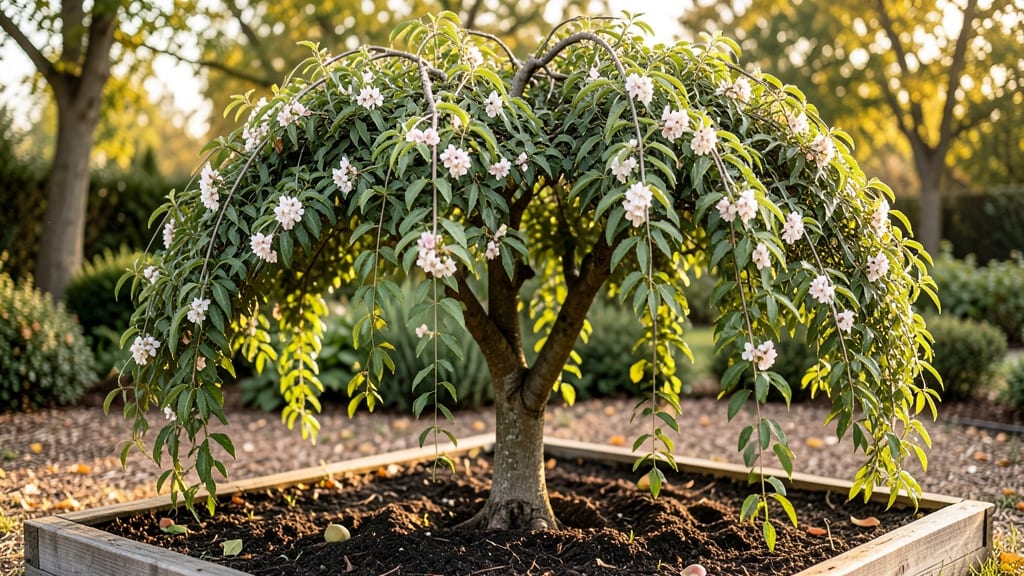
A full-grown weeping peach tree 🍑—with its dramatic cascading branches and lush fruit—demands the right care to stay healthy and productive.
Picture this: your tree’s graceful form becomes a tangled mess of dead wood and overloaded branches, all because you missed the best pruning window. That’s the difference between a stunning centerpiece and a struggling plant.
Pruning isn’t just about shaping—it’s about balancing fruit load, improving airflow, and keeping the tree’s iconic weeping form intact. Without it, your peaches suffer, and so does the tree’s lifespan.
In this guide, I’ll walk you through when and how to prune for maximum fruit, avoid common mistakes that kill production, and keep your tree thriving for years.
How to prune a full-grown weeping peach tree for optimal shape & health
A weeping peach tree full grown is a breathtaking centerpiece, but its delicate, cascading branches demand careful pruning to maintain both beauty and productivity. Without regular maintenance, your tree risks overcrowded limbs, reduced airflow, and disease susceptibility.
The key is balancing structural integrity with fruit-bearing potential while preserving that iconic weeping silhouette.
Pruning at the right time—whether in late winter/early spring (dormant season) or post-harvest—makes all the difference. I’ll walk you through the exact steps, tools, and techniques to keep your weeping peach tree thriving for decades.
Let’s get started with the essential prep work before you even reach for your pruners.
Step-by-Step Pruning Guide for Weeping Peach Trees
- 1 Choose the Right Time: Prune during late winter/early spring (before buds swell) or immediately after harvest to avoid stressing the tree. Never prune in fall—it invites disease.
- 2 Gather Your Tools: Use sharp bypass pruners for small branches, a pruning saw for thicker limbs, and disinfectant (1 part bleach to 9 parts water) to sterilize tools between cuts.
- 3 Remove Dead or Diseased Wood: Start by cutting out dead branches, crossing limbs, and any with fungal spots or cankers. Make cuts 1/4 inch above a bud or branch collar.
- 4 Thin Out Overcrowded Branches: Aim for 6-8 main scaffold branches radiating from the trunk. Remove water sprouts (vertical shoots) and suckers (shoots from the base) to redirect energy to fruit production.
- 5 Shape the Weeping Form: Gently guide downward-growing branches to maintain the cascading effect. Avoid cutting more than 25% of the canopy in one season to prevent shock.
- 6 Clean Up the Area: Rake and dispose of pruned debris immediately to reduce pest/disease spread. Apply a 2-inch mulch layer around the base (keep mulch 6 inches from the trunk).
When pruning a weeping peach tree, focus on opening the canopy to improve sunlight penetration and airflow—critical for preventing peach leaf curl and brown rot. I always prioritize removing branches that rub against others or grow inward, as these create friction wounds and disease entry points.
For fruit-bearing branches, avoid heavy pruning in the year before harvest. Instead, lightly thin out crowded fruit spurs to ensure larger, higher-quality peaches. Remember, weeping peach trees produce fruit on both old and new wood, so balance is key.
If your tree has heavy fruit loads, consider a two-stage pruning approach: light pruning in late winter to shape the tree, followed by post-harvest thinning to remove damaged or weak branches. This method reduces stress and extends the tree’s lifespan.
After pruning, monitor your tree closely for signs of stress, like wilting leaves or excessive sap oozing. If you notice these, apply a balanced fertilizer (10-10-10) and ensure consistent deep watering to help recovery. A full-grown weeping peach tree needs 15-20 gallons of water weekly during dry spells.
Pro tip: Mark your pruning schedule on your calendar to avoid missing the optimal 2-3 week window in late winter. Consistency is everything—skipping a year can lead to overgrown branches that are harder to manage later.
With patience and precision, your weeping peach tree will reward you with dramatic blooms and bountiful harvests for years to come.
🍑
Common pruning mistakes that kill fruit production in weeping peach trees
Pruning a weeping peach tree full grown is an art—one small misstep can turn your tree's elegant cascading branches into a tangled mess while slashing fruit production. Many gardeners unintentionally sabotage their trees by making costly pruning errors, often without realizing it until it's too late.
The key to preserving that iconic weeping form and maximizing peach yield lies in avoiding these five critical mistakes.
First, let's address the most destructive error: over-pruning. I've seen gardeners eager to "shape" their trees cut back more than 25% of the canopy in a single session. This brutal approach shocks the tree, triggering excessive stress and diverting energy away from fruit production.
Remember, weeping peach trees produce fruit on current season's growth, so aggressive cuts mean fewer blooms next spring.
⚠️ callout warning
🚨 Warning: Deadly Pruning Mistakes
- ✂️ Over-pruning: Never remove >25% of canopy at once—weeping peach trees need their foliage to photosynthesize for fruit.
- 🔪 Improper cuts: Ragged edges invite disease and pests—always use sharp tools for clean cuts.
- 🌬️ Ignoring dead wood: Dead branches steal nutrients—remove them immediately to redirect energy to fruit production.
💡 Pro Tip: Prune during dormant season (late winter) to minimize stress and maximize recovery.
Another silent killer is improper cutting techniques. I've observed gardeners using hedge trimmers or making cuts too close to the trunk, leaving stubs that rot or tear the bark.
Always prune just outside the branch collar—the swollen area where the branch meets the trunk—using clean, sharp bypass pruners or a pruning saw for thicker branches. Ragged cuts create entry points for bacterial infections like peach leaf curl.
Many gardeners also neglect to remove water sprouts—those fast-growing, vertical shoots that pop up along branches. While they might seem harmless, these energy vampires divert nutrients from fruit production.
Snip them off at their base during your spring pruning session to encourage the tree to focus on developing horizontal fruiting branches instead.
Here's another common oversight: pruning at the wrong time. While many trees tolerate summer pruning, weeping peach trees are particularly sensitive. Pruning during active growth (spring to early summer) can stimulate excessive leaf growth at the expense of fruit development.
Always prioritize dormant season pruning (late winter/early spring) and post-harvest cleanup to maintain that graceful weeping silhouette.
Finally, don't ignore signs of stress in your tree. Yellowing leaves, sparse blooms, or fruit drop are all red flags that your pruning (or lack thereof) is causing problems. If you've made mistakes in the past, don't panic—your tree can recover!
Focus on light pruning in subsequent years, proper watering, and balanced fertilization to help it rebound. With patience, your weeping peach tree will bounce back stronger than ever.