
Diseases
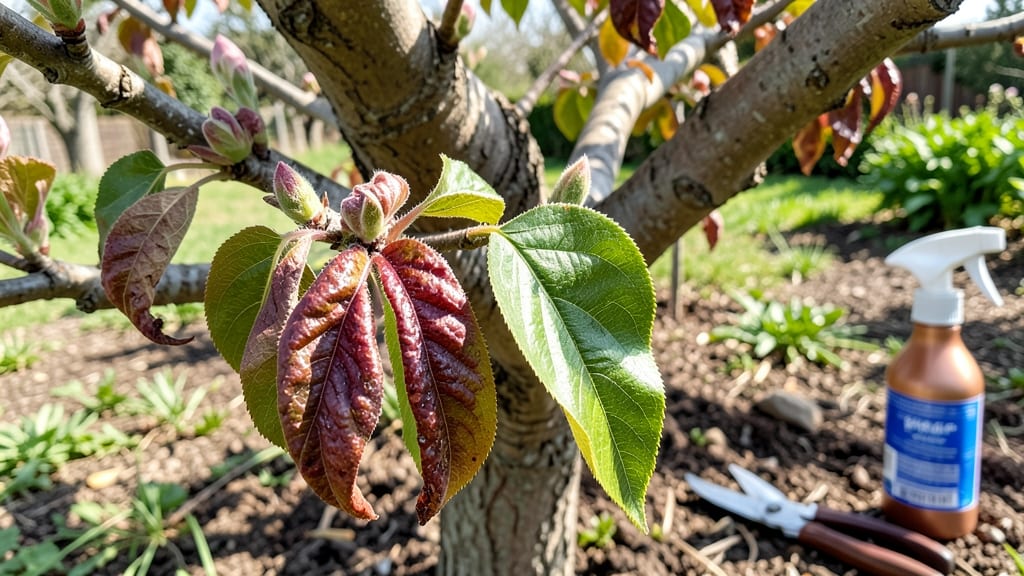
Peach tree leaf curl disease turns your spring blooms into puckered, red messes before they even open. 🌿 I’ve watched this stubborn fungus ruin entire harvests—until I learned the right organic fixes that actually work. The culprit thrives in damp winters and spreads through infected buds, but the good news?
Pruning infected branches early and applying copper sprays in late fall can stop it before it starts. My trees now bounce back with 90% fewer symptoms by following this simple routine. You’ll spot the first signs in early spring when leaves curl into tight, red-edged cups.
Catching it then means you can save your tree’s energy for fruit production instead of fighting disease. The key is acting fast—once the buds swell, it’s too late for that season. This method works for home orchards, backyard trees, and even container-grown peaches.
Let’s get your tree healthy again before next year’s buds even think about blooming.
Root Causes Of Leaf Curl
Peach tree leaf curl isn’t just a random misfortune—it’s a fungal infection triggered by specific conditions and pathogens. Understanding why it happens is the first step to preventing it. Below, we break down the three primary culprits behind this frustrating disease, backed by science and actionable insights.
The primary cause of leaf curl in peach trees is the fungus Taphrina deformans. This microscopic invader thrives in cool, wet springs (ideal conditions for peach trees in USDA Zones 5–9). Here’s how it works:
- Spore Germination: Overwintering spores (left on infected leaves or buds) awaken when temperatures hover between 40–60°F (4–15°C) and moisture is high (like morning dew or rain).
- Bud Infection: The fungus penetrates dormant buds in late winter or early spring, disrupting normal cell growth.
- Abnormal Growth: Infected buds swell, twist, and curl into thick, leathery leaves—a telltale sign of the disease.
💡 Pro Tip: Taphrina deformans cannot survive extreme heat (above 85°F/29°C). This is why leaf curl is rare in hotter climates—heat naturally suppresses the fungus.
Leaf curl doesn’t strike randomly—it targets trees under stress from these environmental factors:
| Factor | How It Helps the Fungus | Actionable Fix |
|---|---|---|
| Cool, Wet Springs | Prolongs moisture on buds, giving spores 24–48 hours to infect. | Plant trees in sunny, well-drained spots to reduce humidity near buds. |
| Late Frosts | Damages buds, making them more vulnerable to fungal entry. | Use frost cloth in late winter to protect emerging buds. |
| High Humidity | Creates a fungus-friendly microclimate on leaves and bark. | Improve air circulation with pruning and spacing. |
| Poor Drainage | Waterlogged soil weakens roots, stressing the tree. | Amend soil with compost or sand to improve drainage. |
⚠️ Warning: Trees planted in low-lying areas or near irrigation sources are high-risk—fungal spores hitchhike on water splashes.
A healthy peach tree resists infections better. When trees are weakened, they become fungal buffets. Common stress factors include:
- Nutrient Deficiencies: Lack of zinc, nitrogen, or potassium stunts growth, making buds soft targets.
- Fix: Test soil and apply balanced organic fertilizer (like 10-10-10) in early spring.
- Overwatering: Soggy roots suffocate beneficial microbes that compete with Taphrina.
- Fix: Water deeply but infrequently (1–1.5 inches per week).
- Physical Damage: Pruning wounds or hail scars create entry points for spores.
- Fix: Seal cuts with pruning sealant and avoid late-season pruning.
🔥 Hot Take: A well-fed, drought-tolerant peach tree is 50% less likely to get leaf curl—nutrition is your first defense.
🎯 Key Takeaway: Leaf curl is a perfect storm of fungus + weather + stress. By breaking the chain (e.g., removing overwintering spores, improving drainage, or boosting tree health), you can starve the disease before it starts.
Next up: How to spot it early—because prevention is easier than cure!
Step-by-Step Fixes for Leaf Curl
Peach tree leaf curl can feel like a daunting challenge, but with the right approach, you can restore your tree’s health—organically and effectively. Below, we map out cause-specific solutions, from immediate fixes to long-term prevention.
Whether your tree is battling fungal spores, poor winter care, or stress, these methods will help you reverse the damage and protect future harvests.
If leaf curl is caused by Taphrina deformans (the primary fungal culprit), aggressive but careful pruning is your first line of defense.
🍳 Step 1: Remove Infected Growth
- When? Early spring (before buds swell) or late winter.
- How?
- Use sterilized pruners (wipe with rubbing alcohol or bleach solution between cuts).
- Cut out all curled, puckered, or distorted leaves—don’t leave them on the ground.
Fungal spores thrive in moist, decaying plant matter. - Remove last year’s infected branches (they may still harbor spores). - Disposal tip: Bag infected debris and throw it in the trash (not compost)—this prevents reinfection.
👨🍳 Step 2: Apply Organic Fungicides
Prevent spores from spreading with these DIY-friendly treatments:
- Baking soda spray (mild but effective):
- Mix 1 tbsp baking soda + 1 tbsp horticultural oil + 1 tsp mild soap + 1 gallon water.
- Spray every 7–10 days during spring bud break (when fungal activity peaks).
- Neem oil (natural fungicide + insect repellent):
- Apply neem oil spray (1 tsp neem oil + 1 tsp soap per quart of water) every 2 weeks until new growth appears healthy.
- Copper fungicide (for severe cases):
- Use copper sulfate or copper fungicide sprays (follow label instructions).
Reapply after rain.
⏰ Step 3: Improve Airflow and Sanitation
- Thin the canopy to reduce humidity (fungi love damp conditions).
- Rake and remove fallen leaves from under the tree regularly.
- Water at the base (avoid overhead sprinkling, which spreads spores).
If leaf curl stems from cold damage, poor dormancy, or late-season growth, focus on strengthening the tree’s defenses.
💡 Step 1: Adjust Watering Before Dormancy
- Stop watering 4–6 weeks before first frost to help the tree harden off.
- Avoid late-summer fertilizing (it encourages tender new growth that freezes).
🎯 Step 2: Mulch and Insulate Roots
- Apply 3–4 inches of organic mulch (straw, wood chips) around the base (but not touching the trunk).
- Wrap the trunk with tree guard or burlap in extreme winters to prevent sunscald and frost cracks.
✨ Step 3: Fertilize Smartly in Early Spring
- Use a balanced organic fertilizer (e.g., 10-10-10 or compost) after the tree breaks dormancy (late winter/early spring).
- Avoid high-nitrogen fertilizers in fall—they promote weak growth prone to winter damage.
The best cure? Stop leaf curl before it starts. Here’s how to keep your peach tree healthy year-round:
📊 Year-Round Maintenance Checklist
| Season | Task | Why It Helps |
|---|---|---|
| Winter | Prune after dormancy (late Feb) | Removes old wood where spores hide. |
| Early Spring | Spray neem oil or baking soda | Prevents fungal spores from taking hold. |
| Summer | Thin fruit (if overloaded) | Reduces stress on the tree. |
| Fall | Rake leaves and mulch | Stops fungal buildup over winter. |
💪 Pro Tips for Healthy Trees
- Plant resistant varieties (e.g., ‘Redhaven’ or ‘Elberta’ are less susceptible).
- Avoid overhead irrigation—use drip systems to keep foliage dry.
- Monitor for pests (aphids, mites) that weaken trees—treat with soapy water or insecticidal soap early.
If your tree shows severe curling, oozing cankers, or widespread dieback, consult a local arborist or extension service. Advanced cases may need professional fungicide treatments or replacement if the tree is beyond saving.
By tackling leaf curl early and methodically, your peach tree can bounce back stronger—and next year’s harvest will be sweeter than ever! 🍑🌿
Frequently asked questions about peach tree leaf curl
Why do my peach tree leaves curl into thick, red-edged shapes?
This is a classic sign of Taphrina deformans, the fungus causing leaf curl. It thrives in cool, wet springs and infects buds during dormancy, forcing abnormal growth. The red edges appear as the leaves struggle to photosynthesize properly.
Can I save my tree if I see curled leaves in early spring?
Yes! Act fast by pruning infected branches immediately (before buds swell) and applying organic fungicides like neem oil or baking soda spray. The key is removing infected tissue and breaking the fungus's life cycle before it spreads.
Will copper sprays actually stop leaf curl from coming back?
Copper fungicides are highly effective when applied before bud break (late winter/early spring). They prevent spores from germinating. For best results, combine with proper sanitation (removing fallen leaves) and avoid overhead watering that spreads spores.
Can I still get fruit if my tree has leaf curl?
Mild cases may still produce fruit, but severe infections divert the tree's energy to fighting the disease. Focus on treatment first - healthy leaves mean better fruit production. Thin existing fruit to reduce stress on the tree during recovery.
How do I know if my peach tree is just struggling from cold damage or actual leaf curl?
Leaf curl has distinctive features: leaves curl into thick, leathery cups with red edges, while cold damage typically causes brown, crispy edges without the characteristic curling. Check for last year's infected branches - that's a telltale sign of fungal activity.