
Pruning
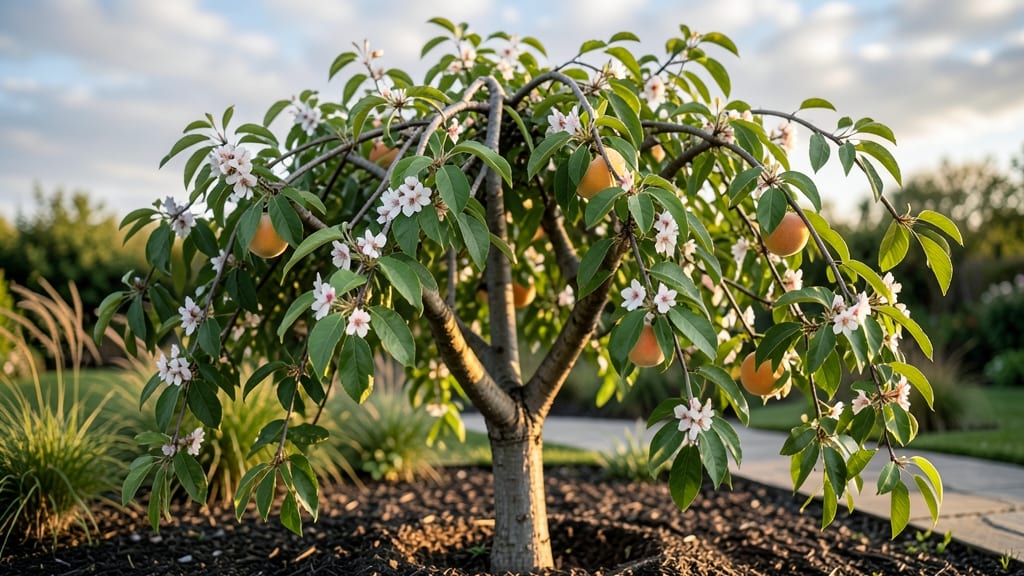
Weeping peach trees thrive in USDA zones 6-9, where they cascade with delicate blossoms and sweet fruit—but getting them established right makes all the difference. 🌸 I’ve watched these trees struggle in marginal zones, then explode with growth when planted in the right microclimate with proper winter prep.
The secret isn’t just the zone number; it’s how you prep the tree and site for cold snaps. Cold-hardy varieties like ‘Bonanza’ or ‘Redhaven’ need well-draining soil and a spot sheltered from harsh winds, which can dry out bark or freeze buds.
Plant in full sun, amend the soil with compost, and mulch heavily in late fall—this combo helps roots survive 20°F dips without damage. Most failures happen when gardeners ignore these basics, assuming the zone rating alone is enough.
By late winter, you’ll see the payoff: sturdy branches heavy with blossoms that resist late frosts. Prune dormant branches now to shape the weeping habit while removing dead wood—just avoid heavy cuts, as peach trees bleed sap when pruned too early. The result?
A tree that looks like a living waterfall by spring, with fruit that ripens just in time for summer. For zones 5 and below, consider container growing with winter protection or stick to peach varieties bred for colder climates.
Either way, the key is patience—these trees reward careful prep with decades of ornamental value and occasional harvests.
📚 In This Guide
- What you need
- Instructions
- Tips and common mistakes
- Wrapping up and next steps
What you need
- ● Pruning shears: Bypass pruners (sharp, clean, and sterilized with rubbing alcohol). 2 pairs recommended—one for small branches, one for thicker limbs.
- ● Loppers: 8–12" bypass loppers for branches ½"–2" thick.
- ● Pruning saw: Curved-tooth saw for branches 2"+ in diameter.
- ● Garden gloves: Heavy-duty, cut-resistant (e.g., Mechanix or Felco brand).
- ● Disinfectant: 70% isopropyl alcohol or 10% bleach solution (1 part bleach to 9 parts water).
- ● Sealing wax: Pruning sealant (e.g., Tanglefoot Tree Wound Pruning Sealer) for cuts > ½".
- ● Ladder or step stool: Sturdy, extension ladder (16–24 ft) if tree exceeds 10 ft tall.
- ● Heavy-duty trash bags: 2–3 bags (13-gallon size) for debris.
- ○ Sharpie or paint: For marking cuts (optional, but helpful for tracking).
- ● Timing: Prune dormant trees in late winter (before buds swell) or early spring. Avoid pruning in fall to prevent disease.
- ● Weather: Choose a dry, calm day (no rain for 24–48 hours before/after pruning).
- ● Safety gear: Safety glasses and long sleeves/pants (peach trees have thorns!).
- ● Tree health check: Inspect for dead, diseased, or crossing branches before starting.
- ● Hose with nozzle for cleaning tools mid-prune.
- ● Tree growth regulator (e.g., Bonide Fruit Tree Spray) for post-pruning care.
- ● Camera or sketchbook to document the tree’s structure before/after.
- ● Budding knife for advanced grafting (if propagating scions).
Step-by-Step guide to dormant pruning for weeping peach trees
Cold-hardy weeping peach varieties need careful pruning to thrive. Here’s how to shape them properly while they’re dormant.
✂️ Step 1: Gather the Right Tools
Start with a clean, sharp pair of bypass pruning shears for small branches and a pruning saw for thicker limbs. I always disinfect my tools with rubbing alcohol before and after pruning to prevent spreading disease—especially important with fruit trees. Wear gloves to protect your hands from thorns and sap.
You’ll also want a ladder if your tree is over 8 feet tall (weeping varieties often grow wide and low). Test the ladder’s stability before climbing—no wobbly platforms when you’re 10 feet up! Bring a bucket of water to clean tools between cuts and a sharpie marker to label branches you’re unsure about.
🌿 Step 2: Assess the Tree’s Structure
Examine your weeping peach tree while it’s dormant, looking for dead, diseased, or crossing branches. Dead wood is easy to spot—it’s brittle, dark, and doesn’t snap when bent. Diseased branches may have blackened cankers or oozing sap. Remove these first; they won’t produce fruit and can spread problems.
Next, identify water sprouts—those fast-growing, vertical shoots that steal energy from fruit production. These should be cut back to a bud or side branch. For weeping varieties, prioritize maintaining the natural drooping shape by thinning branches that grow upward or inward. Your goal is an open center that lets sunlight reach all parts of the tree.
⏰ Step 3: Prune for Shape and Health
Begin pruning in late winter (just before buds swell) when the tree is fully dormant. Start with thinning cuts—remove entire branches back to their origin point. This improves airflow and reduces disease risk. For weeping peaches, I aim to keep the outer branches longer to maintain their graceful arc.
Next, make heading cuts (shortening branches) to encourage bushier growth. Cut just above an outward-facing bud at a 45-degree angle. Avoid leaving stubs—always cut cleanly just outside the branch collar. If a branch is too thick for shears, use the pruning saw, but make the cut smooth and precise to avoid tearing the bark.
☀️ Step 4: Clean Up and Monitor
After pruning, rake up and dispose of all clippings—don’t compost them, as diseases can linger. I like to spread a 2-inch layer of mulch around the base (but not touching the trunk) to retain moisture and suppress weeds. Water the tree deeply if winter was dry, but avoid overwatering now—dormant trees need less.
Keep an eye on the tree in early spring as buds swell. If you see sap oozing excessively from cuts, it’s a sign of stress—this is normal for a few days but should slow down as the tree heals. Avoid pruning again until after harvest; heavy spring pruning can reduce fruit production in weeping peaches.
✂️ Step 5: Maintain Year-Round
Lightly prune weeping peaches after harvest to shape for next year’s growth. Remove any suckers (shoots growing from the base) and deadheading spent blossoms to encourage new blooms. In summer, watch for pests like aphids—a strong blast of water usually knocks them off without chemicals.
I mark my calendar to prune again in late winter for the next cycle. Over time, you’ll develop a rhythm: dormant pruning for structure, post-harvest for shape, and summer checks for pests. Your weeping peach will reward you with abundant blooms and sweet fruit—just keep those branches happy and healthy!
Tips & tricks for perfect weeping peach tree pruning
These practical tips will help you avoid common mistakes and keep your weeping peach tree thriving for years to come.
Tool Prep Matters: I can’t stress enough how important it is to disinfect your tools before and after pruning. Use rubbing alcohol on pruning shears and saws—this prevents disease spread between cuts. I keep a small bottle of alcohol in my tool bag for quick cleaning between branches. Also, sharpen your tools before starting; dull blades tear bark instead of making clean cuts, which invites pests and disease.
Late Winter Timing is Critical: The instructions mention pruning in late winter, just before buds swell, and this is non-negotiable for cold-hardy varieties. If you prune too early, you risk exposing fresh cuts to late winter freezes. If you wait too late, the tree starts putting energy into new growth instead of storing it for spring. I check my local frost dates and schedule pruning for the week before the last expected frost in my zone.
Branch Selection Strategy: When thinning branches in Step 2, prioritize removing those growing inward or upward—they block sunlight and air circulation. For weeping varieties, I look for branches that create a natural "weeping" arc when removed. A good test is to visualize the tree from above: you should see an open vase shape, not a dense canopy. This open structure is key to preventing fungal issues and ensuring fruit production.
Cleanup Prevents Problems: Never compost pruned branches from fruit trees—diseases like brown rot can survive in the compost pile. I dispose of all clippings in sealed bags or burn them (if local regulations allow). The 2-inch layer of mulch mentioned in Step 4 is perfect—just keep it 2-3 inches away from the trunk to prevent rot. I also mark my calendar to remove any new suckers by late spring, which helps maintain the tree’s natural shape.
Pro Tips for Weeping Peach Tree Zone
- These practical tips will help you avoid common mistakes and keep your weeping peach tree thriving for years to come.
- Tool Prep Matters: I can’t stress enough how important it is to disinfect your tools before and after pruning. Use ru...
- Late Winter Timing is Critical: The instructions mention pruning in late winter, just before buds swell, and this is ...
Frequently asked questions
When is the best time to prune a weeping peach tree in cold climates?
Prune your weeping peach tree during its dormant season—typically late winter (just before buds swell) or early spring. Avoid pruning in fall, as new growth won’t harden off before winter. In Zone 5-7, aim for February to early March for optimal results.
Can I prune a weeping peach tree in freezing temperatures?
Yes, but with caution! Prune on dry, above-freezing days (ideally 40°F+). Avoid pruning during hard freezes or after snowfall, as cold stress can weaken the tree. If temps drop unexpectedly, cover fresh cuts with pruning sealant to prevent split bark.
What if I accidentally prune too much? Can I fix an over-pruned weeping peach tree?
Don’t panic! If you’ve removed more than 25% of the canopy, focus on light pruning in the following dormant season to encourage regrowth. Avoid heavy fertilizing immediately—let the tree recover naturally. Water deeply but avoid overwatering, which can stress roots.
Are there alternatives to dormant pruning for weeping peach trees?
While dormant pruning is ideal, you can do light structural pruning in late winter or corrective pruning in early summer (after harvest) to remove deadwood or shape the tree. Avoid heavy summer pruning, as it can invite pests and reduce winter hardiness in cold zones.
How do I prevent pests or disease after pruning?
Keep tools sterilized (rubbing alcohol or bleach solution) to avoid spreading pathogens. Remove all pruned debris from the area, and apply a copper fungicide if your zone has a history of peach leaf curl. Thinning branches improves airflow, reducing humidity-related issues like brown rot.
Still unsure?
Snap a photo of your tree’s condition and compare it to healthy vs. stressed examples online. When in doubt, prune conservatively—your weeping peach tree will thank you with abundant blooms next season!
Wrapping up and next steps
Pruning your weeping peach tree in the dormant season isn’t just about shaping—it’s about setting the stage for a bountiful, healthy harvest next year. 🌱 By following the right techniques and timing, you’ll boost airflow, reduce disease risks, and encourage vibrant growth.
Now that you’re armed with the know-how, grab those pruners and get ready to transform your tree into a thriving masterpiece!
Ready to take action? Mark your calendar for late winter or early spring and start pruning—your future peach harvest will thank you! 🍑✨