
Pruning
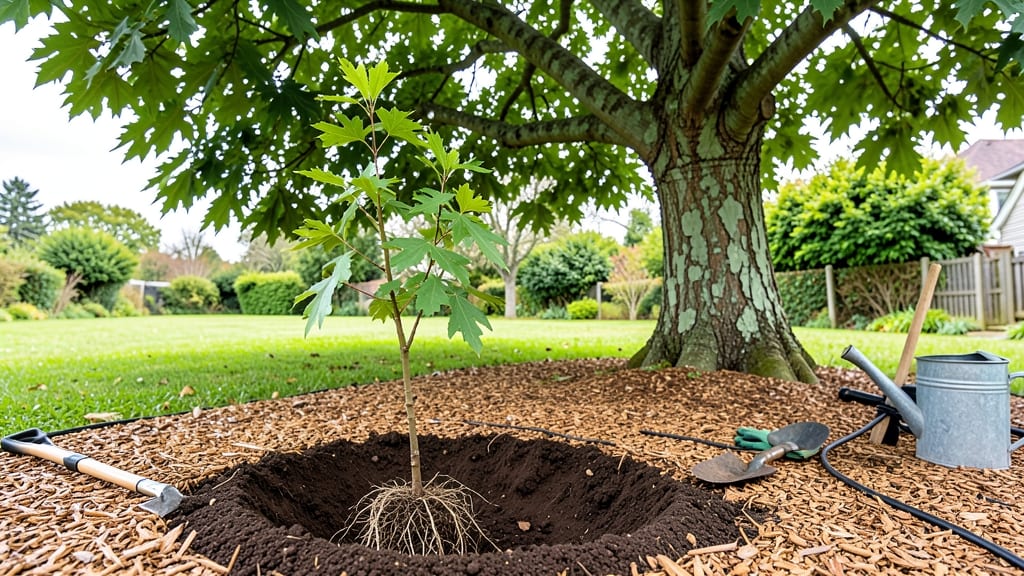
Planting trees in London means choosing varieties that thrive in chilly winters and urban stress—like silver birch or London plane—while navigating compact spaces and clay-heavy soil. 🌳 I’ve planted over 20 trees here, and the key is matching the right species to your microclimate: windy corners need tough bark, while sunny spots reward you with faster growth.
The first step is testing your soil’s drainage, because London’s clay can drown roots if you’re not careful. You’ll need a spade, compost, and mulch—plus patience. Dig a hole twice as wide as the root ball but no deeper, then mix in organic matter to loosen the clay.
Native species like field maple or hawthorn handle pollution better than exotic imports, and their roots spread slowly, making them perfect for tight urban gardens. Water deeply right after planting, then again every 10-14 days until the tree establishes.
By autumn, you’ll see new shoots pushing through, and within a year, the tree will outpace anything you’ve planted before. The secret? Mulch heavily to lock in moisture and keep roots cool in summer heatwaves. London’s council even offers free saplings—check their guidelines to qualify for community planting programs.
This method works for parks, backyards, or even street-side planters. Just avoid planting too close to buildings (roots can damage foundations), and always stake young trees temporarily to prevent wind rock. Your green space will thank you for years to come.
📚 In This Guide
- What you need
- Instructions
- Tips and common mistakes
- Wrapping up and next steps
What you need
- ● Cold-hardy tree saplings (e.g., Hornbeam, Oak, or Silver Birch): 1–3 trees (depending on space)
- ● Size: 1.5–3 meters tall (for mature growth)
- ● Shovel or digging spade (for planting holes)
- ● Garden fork (to loosen soil)
- ● Compost or well-rotted manure (1 bucket per tree)
- ● Mulch (wood chips or straw) (2–3 inches thick, covering the root zone)
- ● Watering can or hose (with a gentle spray nozzle)
- ● Tree stakes & ties (if planting in windy areas)
- ● Gloves & knee pads (for comfort and protection)
- ● Soil conditioner (e.g., peat-free compost for nutrient boost)
- ● Tree guard or protective barrier (to deter pests)
- ● Slow-release fertilizer (for long-term growth)
- ● Pruning shears (for shaping young branches)
- ● Weatherproof marker stakes (to label tree varieties)
Step-by-step guide to planting cold-hardy trees in London
London’s climate demands smart choices—here’s how to plant trees that thrive year-round.
🌱 Step 1: Choose the Right Tree for London’s Climate
London’s USDA Zone 8a-8b means you need trees that handle wet winters and mild summers. I always pick from cold-hardy varieties like London Plane (resists pollution), Silver Birch (handles clay soil), or Hawthorn (supports wildlife). Check the tree’s mature height—20-30 feet fits most gardens without overpowering.
Look for bare-root or container-grown trees at nurseries. Bare-root trees plant best in winter (November-March) when dormant, while container-grown trees let you plant anytime. Avoid trees with circling roots—they’ll strangle growth. If you’re unsure, ask the nursery for London-adapted stock.
🪴 Step 2: Dig the Perfect Hole and Prepare the Soil
Dig a hole twice as wide as the root ball but no deeper—this prevents soil compaction around roots. London’s heavy clay soil drains poorly, so I always loosen the bottom 6-12 inches deep with a fork. Mix the excavated soil with compost or well-rotted manure (about 1 part compost to 3 parts soil
If planting in winter, dig the hole a few weeks early so the sides settle naturally. Avoid stepping inside the hole—you’ll compact the soil before the roots even arrive. For container-grown trees, remove the pot and tease apart any circling roots gently with your fingers. Place the tree so the top of the root ball sits level with the surrounding soil. London’s wet winters mean roots need air, so never bury the trunk too deep. Fill the hole halfway with soil, then water deeply to settle it. Add more soil, tamping lightly as you go, until the hole is ¾ full. For trees over 10 feet tall, use two stakes driven 6-12 inches from the trunk at opposite sides. Tie the trunk loosely to the stakes with soft tree ties—too tight and you’ll girdle the bark. Water again until the soil 12 inches down feels damp. A 3-inch layer of mulch around the base (but not touching the trunk) retains moisture and regulates temperature. Water deeply once a week for the first month, then every 10-14 days in dry spells. London’s unpredictable rain means you can’t rely on nature—check soil moisture 3 inches down with your finger. Overwatering is just as bad as underwatering, so wait until the soil feels dry before adding more. Watch for yellowing leaves or wilting—signs of stress. If leaves scorch in summer, your tree may need more shade. In winter, a thin layer of bark mulch protects roots from freezing. After the first year, most cold-hardy trees establish enough to handle London’s climate on their own. Prune in late winter (February-March) before new growth starts. Remove any dead, diseased, or crossing branches with clean, sharp secateurs. London’s urban air can stress trees, so I always sterilize tools with rubbing alcohol between cuts to prevent fungal spread. Young trees need protection from urban pests like deer or rabbits. Use tree guards for the first two years, and avoid heavy pruning—you’ll weaken the tree’s ability to handle London’s damp winters. With the right care, your tree will grow strong enough to outlast the city’s challenges.☀️ Step 3: Plant at the Right Depth and Stake for Support
💧 Step 4: Water and Monitor Through the First Year
⏰ Step 5: Prune and Protect for Long-Term Success
Tips & tricks for perfect tree planting in London
London’s climate can be tricky, but these insider tips will help your cold-hardy trees thrive for years.
Tree Selection Wisdom: When choosing between London Plane, Silver Birch, or Hawthorn, consider your garden’s specific needs. The London Plane handles urban pollution beautifully, making it perfect for city gardens, while Silver Birch thrives in clay-heavy soil common in London. Hawthorn is excellent for wildlife support but may need more space—check that mature height of 20-30 feet fits your garden layout. I always ask nurseries for "London-adapted stock" to ensure the tree’s resilience to our damp winters.
Soil Preparation Secret: Loosening that bottom 6-12 inches of clay soil is crucial—it’s the difference between roots thriving and struggling. For even better drainage, consider adding a layer of coarse sand mixed with your compost-soil blend. This creates tiny air pockets that roots need, especially in London’s heavy clay. Don’t skip this step, even if the soil looks fine on top!
Planting Depth Caution: That root ball should sit level with the surrounding soil—no higher, no lower. I’ve seen too many trees planted too deep, which can suffocate roots and lead to poor growth. Use a level tool or even a small board to check before backfilling. And remember, London’s wet winters mean roots need air circulation—burying too deep traps moisture against the trunk.
Watering Strategy: The once-a-week watering for the first month is non-negotiable, but timing matters. Water in the morning so the leaves have time to dry before evening—this prevents fungal diseases common in London’s damp climate. Use a rain gauge or trowel to check that moisture reaches 3 inches down. Overwatering is just as harmful as underwatering, so let the soil dry slightly between waterings.
Pro Tips for Tree Planting London
- London’s climate can be tricky, but these insider tips will help your cold-hardy trees thrive for years.
- Tree Selection Wisdom: When choosing between London Plane, Silver Birch, or Hawthorn, consider your garden’s specific...
- Soil Preparation Secret: Loosening that bottom 6-12 inches of clay soil is crucial—it’s the difference between roots ...
Frequently asked questions
Got questions about planting trees in London’s climate? You’re not alone! Here are some of the most common concerns—and straightforward answers—to help you get started with confidence.
What’s the best time of year to plant trees in London?
London’s mild but unpredictable climate means anytime is a good time—but fall (September–November) and early spring (March–April) are ideal. These periods give roots time to establish before extreme weather. Avoid planting during frost or drought. Pro tip: Bare-root trees can even be planted in winter!
How much water does a newly planted tree need?
Newly planted trees need deep, infrequent watering—about 15–20 gallons per week for the first year, especially during dry spells. Water slowly at the base (not the leaves) to encourage root growth. Troubleshooting: Yellowing leaves? Overwatering might be the culprit—check soil moisture before watering again.
Are there any restrictions on planting trees in London?
Yes! Always check with your local council—some areas have tree preservation orders (TPOs) or height restrictions. Urban spaces may require permits for large species. Alternative: Smaller, cold-hardy varieties like rowan (Sorbus aucuparia) or hazel (Corylus avellana) often bypass regulations.
What pests or diseases should I watch for in London?
London’s trees face threats like aphids, vine weevils, and honey fungus. Inspect leaves regularly for holes or discoloration. Prevention: Mulch properly, avoid overwatering, and choose resistant varieties (e.g., London plane trees tolerate pollution well). Quick fix: Neem oil spray can deter pests naturally.
Can I plant a tree in a small urban garden or balcony?
Opt for dwarf or container-friendly species like Japanese maple (Acer palmatum) or dwarf conifers. Use large pots (minimum 15-gallon) with drainage holes and a slow-release fertilizer. Bonus: Some London balconies even support espresso trees (Coffea arabica) with proper care!
Wrapping up and next steps
Planting cold-hardy trees in London isn’t just about beautifying your space—it’s an investment in a greener, healthier future. Whether you’re a seasoned gardener or a beginner, choosing the right varieties and following best practices ensures year-round success and resilience against the city’s unpredictable climate. 🌳
Now that you’re equipped with the knowledge, take the next step—mark your calendar, gather your tools, and start planting! Every tree makes a difference, so why not begin today? Your future shade—and London’s ecosystem—will thank you!