
Landscaping
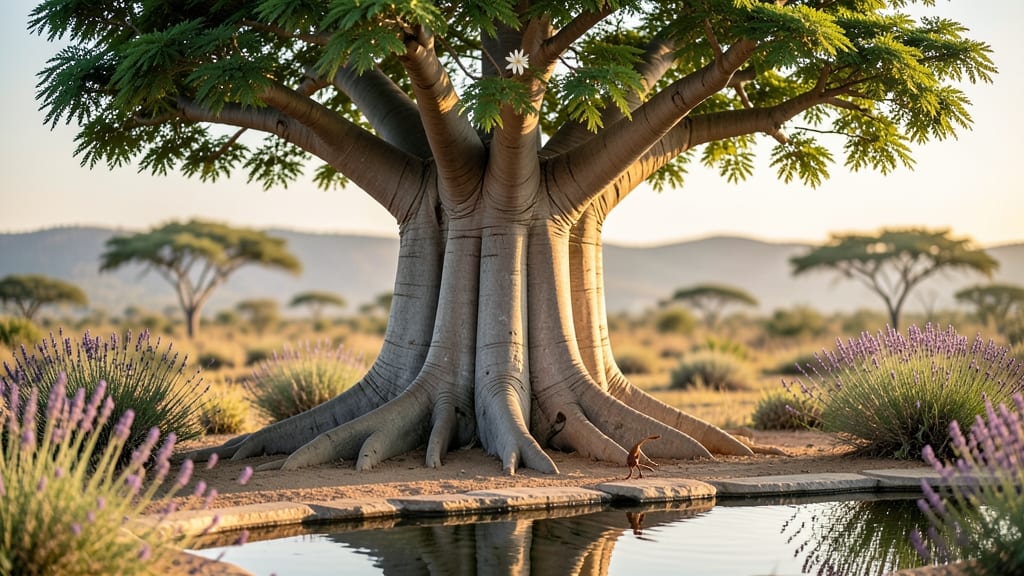
A tree of life landscape transforms your yard into a living symbol of resilience and beauty—no fancy pruning skills required. 🌿 I designed mine around a dwarf olive tree as the centerpiece, surrounded by drought-tolerant succulents and fragrant lavender, creating a low-maintenance oasis that thrives year-round with almost no upkeep.
The magic lies in choosing plants that complement each other naturally—think Mediterranean shrubs, ornamental grasses, and a few carefully placed stones to mimic a desert garden’s simplicity. My design uses three key zones: the central tree for structure, mid-height plants for texture, and ground covers to fill gaps effortlessly.
The result? A garden that looks intentional but feels like it grew wild.
By summer, you’ll have a canopy of silvery-green foliage and tiny white flowers, while winter brings the rustic charm of olive branches against frost-kissed lavender. The best part? This layout requires less than 30 minutes of maintenance per month—just occasional watering and the occasional deadheading to keep things tidy.
Perfect for small yards, urban courtyards, or even large backyards where you want drama without the work. The symbolic meaning adds depth, while the practical design ensures it stays stunning with minimal effort. Let’s bring this vision to life!
📚 In This Guide
- What you need
- Instructions
- Tips and common mistakes
- Wrapping up and next steps
What you need
- ● Dwarf Olive Trees (Olea europaea 'Gigantea') – 3-5 plants (3-5 ft tall, slow-growing for structure)
- ● Dwarf Bay Laurel (Laurus nobilis 'Angustifolia') – 3-4 plants (3-4 ft tall, glossy foliage for texture)
- ● Dwarf Myrtle (Myrtus communis 'Variegata') – 2-3 plants (2-3 ft tall, fragrant white flowers)
- ● Dwarf Boxwood (Buxus sempervirens 'Suffruticosa') – 4-6 plants (2-3 ft tall, dense green backdrop)
- ● Evergreen Ferns (e.g., Dryopteris erythrosora) – 5-7 plants (1-2 ft tall, soft filler)
- ● Ornamental Grasses (e.g., Carex oshimensis) – 3-5 clumps (1-2 ft tall, airy movement)
- ● Mulch (shredded bark or gravel) – 2-3 bags (for moisture retention and weed control)
- ● Slow-Release Fertilizer (10-10-10 or organic option) – 1 bag (for nutrient boost)
- ● Garden Shovel & Trowel – For planting and soil prep
- ● Measuring Tape & String – To mark out your design layout
- ● Pruning Shears – For light shaping (minimal effort!)
- ● Garden Gloves – To protect your hands
- ● Watering Can or Hose with Soaker Nozzle – For gentle hydration
- ○ Optional: Landscape Fabric – To suppress weeds (if desired)
- ○ Optional: Decorative Stones or Pathway Edging – For a polished look
Step-by-Step instructions for designing a tree of life landscape
Here’s how to create a vibrant, low-maintenance landscape that stays lush year-round with minimal effort.
🌱 Step 1: Select and Layer Plants for Year-Round Interest
Start by choosing a mix of evergreens, deciduous shrubs, and seasonal bloomers to ensure visual appeal in every season. I like pairing boxwoods for structure with camellias for winter blooms and ornamental grasses for texture. Focus on plants with varying heights—tall evergreens like arborvitae at the back, mid-height shrubs like hydrangeas in the middle, and low-growing ground covers like ajuga or creeping thyme up front.
Real talk: Avoid planting everything at once. Group plants by their water needs—drought-tolerant succulents near the edges and moisture-loving ferns closer to irrigation sources. This prevents overwatering or drying out certain areas. I sketch a rough layout first, marking sun exposure zones (full sun, partial shade, full shade) to ensure each plant gets the right conditions.
☀️ Step 2: Plan for Sunlight and Seasonal Shifts
Observe your landscape’s sunlight patterns throughout the day—especially in winter when the sun sits lower. I use a sunlight mapping tool (or just observe for a week) to identify areas that get 4+ hours of direct sun, 2-4 hours, or less than 2 hours. Place sun-loving plants like roses or lavender where they’ll get their full 6+ hours, while shade-tolerant plants like hostas or ferns thrive in dappled light.
Here’s the thing—seasonal shifts matter. What’s full sun in summer might be partial shade in winter. I err on the side of shade-tolerant plants if I’m unsure, as they’re more adaptable. Mulch heavily (3-4 inches) around plants to regulate soil temperature and retain moisture, which helps them handle seasonal changes without stress.
💧 Step 3: Establish a Low-Maintenance Watering System
Drip irrigation or soaker hoses are your best friends for a tree of life landscape. I install a slow-release system buried just below the soil surface, watering at the base of plants to avoid wetting foliage (which reduces disease risk). Set timers to water early morning (before 10 AM) to minimize evaporation and fungal growth. For new plants, water every 2-3 days until established, then taper to once a week once roots spread.
Don’t overwater now. You’ll know it’s right when the top inch of soil feels damp but not soggy. A moisture meter helps, but even a finger test works. Group plants with similar water needs together to simplify maintenance—this is key for minimal effort.
✂️ Step 4: Prune Strategically for Structure and Health
Prune only when necessary—this landscape thrives on neglect. I focus on three key times: late winter (to shape deciduous shrubs), early spring (to clean up dead growth), and after flowering (to encourage new blooms). Use clean, sharp pruners to make cuts at a 45-degree angle just above a leaf node. Avoid "topping" (cutting back to stubs)—it weakens plants and encourages ugly regrowth.
For evergreens, a light trim in early spring keeps them dense without overstressing the plant. I remove no more than 25% of the foliage in any one session. Deadheading spent blooms on perennials like coneflowers or black-eyed Susans encourages more flowers and tidies up the look without heavy pruning.
🪴 Step 5: Add Mulch and Monitor for Long-Term Success
Spread 3-4 inches of organic mulch (like shredded bark or wood chips) around plants, keeping it 2-3 inches away from stems to prevent rot. Mulch suppresses weeds, retains moisture, and feeds the soil as it breaks down. Replenish it annually in early spring to maintain its benefits. I use dark brown mulch for contrast and light gray gravel in sunny areas to reflect heat and reduce water loss.
Check plants monthly for signs of stress—yellowing leaves, wilting, or pests. Most issues are fixable early: overwatering (let soil dry out), underwatering (water deeply), or pests (spray with neem oil or introduce beneficial insects). A healthy tree of life landscape should require no more than 10 minutes of active care per week once established.
Tips & tricks for perfect tree of life landscaping
Common pitfalls—and how to sidestep every one when creating a thriving, low-maintenance landscape.
Plant Placement Precision: In Step 1, when layering your boxwoods, camellias, and ornamental grasses, pay special attention to their mature heights. I’ve seen too many landscapes where plants outgrow their space, creating a cluttered look. Measure each plant’s mature height and width (usually listed on nursery tags) and maintain at least 12-18 inches of spacing between them. For example, that arborvitae might only be 3 feet tall now, but it’ll reach 10 feet—place it where it has room to grow without crowding your hydrangeas.
Sunlight Mapping Shortcut: In Step 2, you don’t need fancy tools to map sunlight. Simply observe your yard for a week during key times: 10 AM, 2 PM, and 4 PM. Place a white sheet or chalk outline where shadows fall at each time. This visual map will show you exactly where those 4+ hours of direct sun zones are. I’ve used this method for years—it’s free, accurate, and saves you from buying unnecessary equipment. The 2-4 hour zones are perfect for roses and lavender, while less than 2 hours works for hostas and ferns.
Watering System Maintenance: In Step 3, your drip irrigation system will last years if you maintain it properly. After the first growing season, flush the system annually by running it for 10 minutes with vinegar and water (1:4 ratio) to clear mineral buildup. Also, inspect emitters monthly for clogs—simply remove them and soak in warm water for 10 minutes. I’ve had systems last over a decade with this simple care. And remember, that top inch of soil test is your best friend—if it’s soggy, you’re overwatering; if it’s bone dry, increase frequency slightly.
Pruning with Purpose: In Step 4, when you’re deadheading those coneflowers and black-eyed Susans, don’t just snip off the spent blooms. Cut back to the first set of healthy leaves below the flower head. This encourages stronger regrowth and more blooms next season. For evergreens, I’ve found that a 25% rule works best—never remove more than a quarter of the foliage in one session. And always sterilize your pruners with rubbing alcohol between cuts to prevent spreading disease. That 45-degree angle cut isn’t just aesthetic—it helps water run off properly and promotes faster healing.
Pro Tips for Tree Of Life Landscape
- Common pitfalls—and how to sidestep every one when creating a thriving, low-maintenance landscape.
- Plant Placement Precision: In Step 1, when layering your boxwoods, camellias, and ornamental grasses, pay special attention to their mature heights.
- Sunlight Mapping Shortcut: In Step 2, you don’t need fancy tools to map sunlight.
Frequently asked questions
What are the easiest Tree of Life varieties for beginners?
Start with Portulacaria afra (Elephant Bush) or Delosperma (Ice Plant)—both thrive in hot, dry climates, require almost no pruning, and bounce back after drought. For cooler zones, Sedum morganianum (Donkey Tail) is a low-maintenance, drought-tolerant pick!
How long does it take for a Tree of Life landscape to look full and vibrant?
With proper care, you’ll see noticeable growth in 3–6 months, but full lushness (especially for succulents) can take 1–2 years. Fast-growing varieties like Senecio serpens (String of Bananas) fill in quicker, while slower growers need patience. Pro tip: Mulch with gravel or bark to speed up root establishment!
Can I still create this landscape if I live in a rainy or humid climate?
Opt for humidity-loving succulents like Haworthia or Gasteria, or pair Tree of Life plants with shade-tolerant perennials (e.g., ferns or hostas) in moist areas. Drainage is key: Use raised beds or containers with fast-draining soil mixes to prevent rot. Bonus: Add a drip irrigation system on a timer for consistency!
How often should I prune, and what’s the best way to do it?
Most Tree of Life plants rarely need pruning—just trim dead or leggy stems in early spring. For shaped varieties (like Euphorbia tirucalli), prune once a year after blooming. Use sterilized shears and wear gloves (some sap is irritating!). Pro move: Propagate cuttings to expand your garden for free!
What’s the most cost-effective way to start a Tree of Life landscape?
Buy small plants in bulk from local nurseries or online (check for sales in fall/winter). DIY propagation from cuttings (many succulents root in water!) slashes costs. Skip expensive soil: Mix 60% cactus/succulent mix + 40% perlite or pumice for a budget-friendly, drain-heavy blend. Thrift stores often have cheap containers too!
Wrapping up and next steps
Creating a Tree of Life landscape is all about embracing nature’s beauty with minimal effort—because lush shouldn’t mean laborious! 🌿 By blending hardy plants, strategic layering, and smart design, you’ve got a year-round oasis that thrives on its own.
The key? Start small, observe often, and let your garden grow into its full potential.
Ready to transform your outdoor space? Take the next step:
- Sketch a rough layout of your yard, marking sun/shade spots.
- Visit a local nursery to pick out 2-3 starter plants from this guide.
- Schedule a weekend to plant—then step back and enjoy the magic!