
Pruning
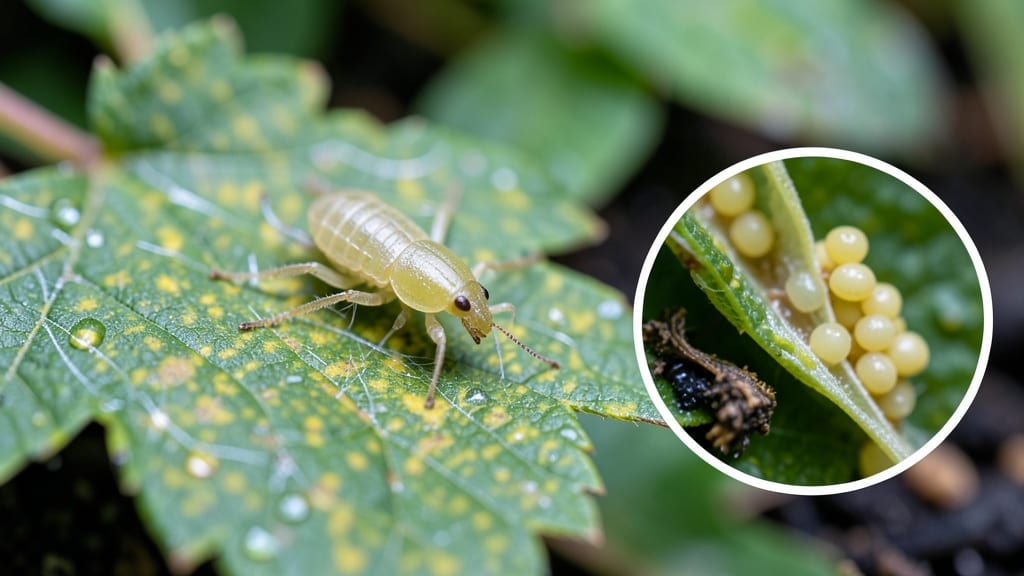
Your maple's leaves are turning yellow and crispy when they should be vibrant green—tree mites are likely the culprit. 🌿 These tiny pests suck sap, causing stippling and webbing that weakens your tree over time. The good news? You can stop them before they strip your leaves completely.
Most people don’t realize how fast tree mites multiply—starting with just a few, they can cover branches in weeks. Look for fine webbing between leaves or tiny brown specks on the undersides.
A hand lens helps spot them early, but even without one, the damage tells the story: curled, spotted leaves that fall prematurely.
Horticultural oil or insecticidal soap applied in early spring (before buds swell) smothers mites without harming your tree. For severe cases, prune affected branches in late winter to remove infested foliage before new growth starts. This two-step approach works better than chemicals alone.
Prevention is key: keep your tree healthy with regular watering and mulch to retain moisture. A strong tree resists pests naturally. With these steps, your maple’s leaves will stay lush and green all season—no more unsightly defoliation.
Root Causes of Maple Defoliation
When your maple trees start losing leaves prematurely, it’s often a sign that tree mites (like Eriophyid mites or spider mites) are to blame—but why does this happen in the first place?
The issue isn’t random; it’s tied to environmental stress, poor tree health, and even human activity. Below, we break down the key reasons your maple’s leaves are under siege.
Maple trees thrive in moderate climates, but extreme weather—whether too hot, too cold, or too dry—creates the perfect storm for mite infestations. Here’s how:
- Heatwaves and drought: Prolonged dry spells weaken a tree’s defenses, making its sap (a natural mite deterrent) less effective. Mites thrive in 75–90°F (24–32°C) conditions, and drought-stressed trees can’t support their usual leaf health, leaving them vulnerable. 💡 Pro Tip: Deep watering (1–2 inches per week) during dry spells helps trees fend off pests.
- Sudden temperature swings: Mites love stable warmth. If your maple experiences rapid shifts—like a cold snap followed by a heatwave—mites may overpopulate quickly, as the tree struggles to adapt. Spider mites, in particular, multiply faster in low humidity (<30%), which is common in summer.
- Winter damage: Freeze-thaw cycles can crack bark, creating entry points for mites to burrow in early spring. Weakened branches from ice storms also make trees easier targets for infestations.
A maple tree that’s already struggling is an open invitation for mites. Nutritional deficiencies, compacted soil, or disease make trees 3x more likely to attract pests. Here’s what’s likely going wrong:
| Deficiency/Symptom | How It Affects Mites | Fix It With |
|---|---|---|
| 🟢 Nitrogen (N) deficiency (yellowing leaves, stunted growth) | Weakens leaf structure, making it easier for mites to pierce and feed. | Slow-release organic fertilizer (e.g., compost or blood meal) in early spring. |
| 🟡 Potassium (K) deficiency (brown leaf edges, weak stems) | Reduces the tree’s ability to produce resin, a natural mite repellent. | Wood ash or greensand applied to soil in fall or early spring. |
| 🔴 Compacted or waterlogged soil (root rot, fungal growth) | Poor drainage stresses roots, forcing the tree to divert energy to survival—not pest resistance. | Aerate soil with gypsum or plant deep-rooted companions (like sunflowers) to break up clay. |
💡 Pro Tip: Test your soil’s pH (ideal for maples: 6.0–7.5). Acidic soil (<5.0) can make trees more susceptible to Eriophyid mites, which cause witches’ broom (a dense, stunted growth pattern).
Mites don’t just appear—they explode in numbers due to their rapid reproduction cycle. Here’s how infestations spiral out of control:
- Exponential growth: A single female spider mite can lay 200 eggs in her lifetime, with new generations emerging every 3–7 days in warm conditions. By midsummer, a few mites can become a visible web on your maple’s undersides.
- Natural predators disappear: Mites rely on birds, ladybugs, and predatory mites to keep populations in check. But if your yard lacks diverse plantings or uses broad-spectrum pesticides, these helpers vanish, leaving mites unchecked.
- Dormant mites wake up: Some mites, like Eriophyid mites, survive winter in bud scales or bark crevices. When spring arrives, they migrate to new leaves, often targeting stressed maples first.
✨ Actionable Insight: If you spot stippled or curled leaves in early spring, act fast—this is a sign of Eriophyid mites moving in. Prune affected branches before mites spread to healthy foliage.
Sometimes, the problem isn’t nature—it’s us. How we manage our yards can accelerate mite infestations:
- Over-pruning or wounding: Trimming too aggressively (especially in late summer) stresses trees, making them 20% more attractive to mites. Always use sterilized tools to avoid spreading mites from other plants.
- Monoculture landscaping: Planting only maples (or other host plants like oak or birch) turns your yard into a mite buffet. Mites specialize—they’ll stay put if their favorite food source is abundant.
- Pesticide overuse: Harsh chemicals kill beneficial insects first, creating a mite-free zone that forces survivors to multiply rapidly. Opt for neem oil or horticultural oil instead.
- Ignoring neighboring trees: Mites don’t respect property lines. If a wild or neglected maple nearby is infested, your tree will follow. Scout within 50 feet of your property for signs of webs or discoloration.
🎯 Prevention Tip: Introduce mite-resistant plants like serviceberry, hawthorn, or Russian olive to disrupt mite populations and attract natural predators.
How to Fix Maple Defoliation
Maple trees losing leaves due to mites can be frustrating, but the good news is that most cases are manageable with the right approach. Below, we’ll break down cause-specific solutions—from quick fixes to long-term prevention—so you can restore your tree’s health without stress.
---
Before treating, confirm the culprit. Maple mites (like spider mites or maple leaf mites) leave tiny webs, stippled leaves, or premature yellowing. Use a hand lens to spot: - Webbing (spider mites) - Speckled or discolored leaves (maple leaf mites) - Sticky residue (aphids or scale, which attract mites)
💡 Pro Tip: Shake a branch over white paper—visible mites or eggs confirm the issue.
---
#### 👨🍳 Spray Solutions (For Light Infestations) If mites are just starting, hose them off with a strong stream of water (mites hate moisture!). For stubborn cases, try these DIY sprays (apply in the early morning or evening to avoid harming bees):
| Solution | How to Use | Best For | |----------------------------|-------------------------------------------------------------------------------|---------------------------------------| | Neem Oil Spray | Mix 1 tbsp neem oil + 1 tsp mild soap + 1 quart water. Shake well and spray undersides of leaves (where mites hide).
Reapply every 7–10 days. | All mite types; organic-friendly | | Insecticidal Soap | Use a pre-mixed formula (like Safer®). Spray until leaves are glistening wet.
Avoid on hot days (can burn foliage). | Spider mites, maple leaf mites | | Horticultural Oil | Apply dormant oil in late fall/winter or summer oil in spring. Covers mites in a suffocating film. | Heavy infestations; preventive |
⚠️ Warning: Avoid systemic pesticides (like imidacloprid) unless mites are severe—overuse can harm beneficial insects.
---
#### 🌱 Cultural Controls (Keep Mites Away) Mites thrive in dry, dusty conditions. Adjust your care routine to make your maple less inviting:
- 💧 Water Deeply & Regularly – Mites love drought. 1–2 inches of water per week (deep soak, not just surface water) keeps them at bay. - 🌿 Prune for Airflow – Remove crowded or dead branches to reduce hiding spots.
Thin the canopy so leaves dry faster after rain. - 🍂 Clean Up Debris – Rake and dispose of fallen leaves (mites overwinter in leaf litter). - 🐝 Attract Predators – Plant nearby flowers (like marigolds, dill, or yarrow) to lure ladybugs, lacewings, and predatory mites—their natural enemies.
#### 🔪 Mechanical Removal (For Stubborn Cases) - 🕷️ Blast with Water – Use a garden hose nozzle to dislodge mites from leaves (do this every 5–7 days for heavy infestations). - 🧽 Prune & Destroy Infested Branches – If a section is severely damaged, cut it out below the infestation and burn or bag it (don’t compost).
--- | Season | Action Plan | |------------------|---------------------------------------------------------------------------------| | Early Spring | Apply dormant oil spray to smother overwintering eggs. | | Late Spring | Monitor for mites; start neem oil sprays if needed. | | Summer | Weekly checks + hose-downs if dry.
Use insecticidal soap if outbreaks occur. | | Fall | Clean up leaves, prune, and apply horticultural oil before winter. |
--- If your maple is large, mature, or heavily infested, consider hiring an arborist for: - High-pressure spraying (for tall trees) - Systemic treatments (if mites are resistant) - Professional pruning to reduce future risk
--- Before mites become a problem, do this once a year: ✅ Inspect leaves (top and bottom) in May and July. ✅ Water deeply during dry spells. ✅ Prune for sunlight (mites hate shade). ✅ Avoid over-fertilizing (soft new growth attracts mites).
--- With consistent care and early action, your maple can bounce back—and keep its leaves for years to come! 🌿🍁
Frequently asked questions
How can I tell if my maple tree has mites instead of another pest?
Look for fine webbing between leaves (spider mites) or stippled, discolored patches on leaf surfaces (maple leaf mites). Use a hand lens to spot tiny brown specks moving on leaf undersides. Unlike aphids, mites don't leave sticky residue, and their damage appears as crispy brown spots rather than curled leaves.
Will neem oil really work on tree mites, or is it just a myth?
Neem oil is highly effective when applied correctly! It disrupts mites' feeding and reproduction cycles. For best results, mix 1 tablespoon neem oil + 1 teaspoon mild soap + 1 quart water and spray thoroughly on both sides of leaves every 7-10 days during active growth. Always apply in early morning or evening to protect bees.
Is it too late to treat my maple if the leaves are already falling?
Not necessarily! While prevention is ideal, you can still help your tree recover. Focus on removing heavily infested branches and applying horticultural oil (safe for dormant trees) in late fall. Next spring, start a weekly inspection and treatment schedule with neem oil or insecticidal soap to rebuild leaf health.
How do I prevent mites from coming back next year?
Create an unfavorable environment for mites by watering deeply weekly, pruning for airflow, and removing all leaf debris in fall. Plant mite-resistant companions like serviceberry nearby and introduce predator-friendly plants (marigolds, yarrow) to attract natural enemies. Apply dormant oil in late winter to smother overwintering eggs.
Can I use the same treatments on my maple that I use for indoor spider mites?
No, outdoor treatments must be stronger and more frequent. Indoor spider mite sprays (like rubbing alcohol solutions) are too harsh for trees. Instead, use horticultural oil or insecticidal soap specifically formulated for outdoor plants. Always follow label instructions for concentration and application timing to avoid damaging foliage.