
How To
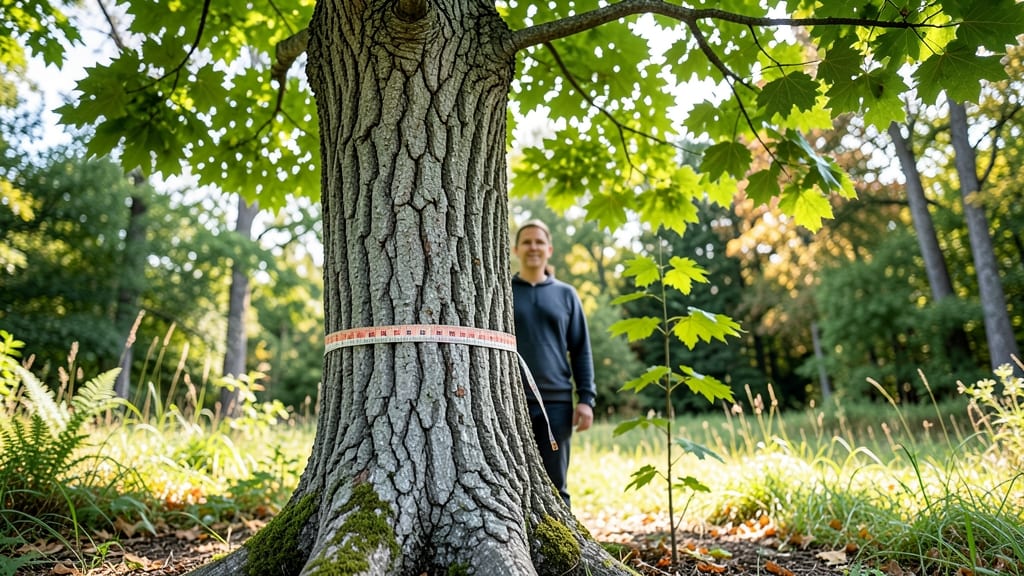
A maple tree grows to heights that how tall does a maple tree grow can range from a modest 15 feet to a towering 120 feet, depending on the species and growing conditions you provide 🌳.
Picture this: that tiny sapling you planted last spring could one day cast shade over your entire backyard—or it might stay small enough to fit neatly in an urban courtyard.
The difference comes down to the type of maple, your climate zone, and how much space you give its roots to spread.
Some varieties, like the delicate Japanese maple, max out around 25 feet, making them perfect for small gardens. Others, such as the sugar maple, can reach heights of 75 to 100 feet when given the right conditions—think full sun, well-drained soil, and plenty of room to grow.
In this guide, you’ll discover the exact height ranges for popular maple species, how to control growth for urban spaces, and the key factors that determine whether your maple becomes a skyscraper or a compact shade tree.


Average maple tree heights by species: from dwarfs to giants
Choosing a maple tree for your landscape means making a long-term commitment—some varieties grow into skyscraper-sized giants while others stay compact enough for urban yards. The sugar maple (Acer saccharum) famously reaches 75-100 feet tall, but its Japanese cousin (Acer palmatum) often stays under 25 feet.
Your climate zone, soil quality, and pruning habits can adjust these heights by 20-30%, so let’s break down the exact mature sizes you can expect.
Before planting, measure your space carefully. A 30-foot maple needs at least 20 feet of clearance from structures, while a 100-foot giant requires acres of open land. Below, I’ve organized maples by height category—from dwarf varieties perfect for patios to monster maples that dominate forests.
Each species also includes its typical lifespan and growth rate to help you plan.
| Species | Mature Height (ft) | Spread (ft) | Growth Rate | Lifespan (years) | Best For |
|---|---|---|---|---|---|
| Japanese Maple (Acer palmatum) | 15-25 ft | 15-25 ft | Slow | 50-100 | Urban gardens, bonsai |
| Dwarf Norway Maple (Acer platanoides 'Globosum') | 15-20 ft | 10-15 ft | Moderate | 60-80 | Small yards, containers |
| Red Maple (Acer rubrum) | 40-60 ft | 30-50 ft | Fast | 150-200 | Wildlife habitats, shade trees |
| Sugar Maple (Acer saccharum) | 75-100 ft | 40-60 ft | Moderate | 200-300 | Large estates, forests |
| Silver Maple (Acer saccharinum) | 50-80 ft | 40-60 ft | Fast | 100-150 | Urban landscapes, erosion control |
| Boxelder Maple (Acer negundo) | 30-50 ft | 25-40 ft | Fast | 50-80 | Fast-growing shade, urban areas |
| Amur Maple (Acer ginnala) | 20-30 ft | 15-25 ft | Moderate | 40-60 |