
Trees
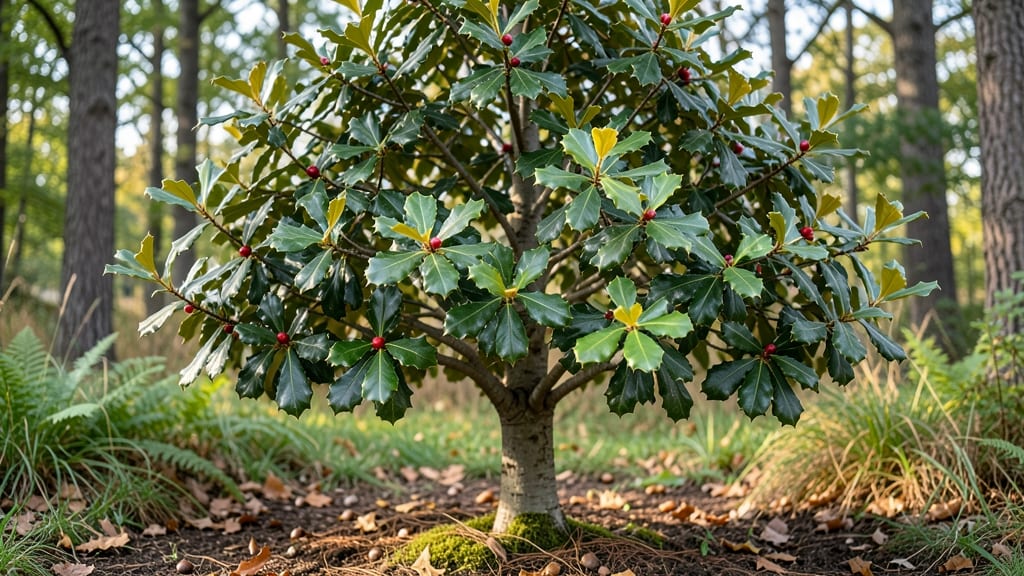
Your holly tree’s leaves are turning yellow—and it’s a sign your tree is crying out for help.
Usually, it’s a nutrient deficiency, and the fix is simpler than you think. 🌿 I’ve seen this happen after years of planting holly trees, and the good news is that once you identify the root cause, you can turn those sad, yellow leaves back to vibrant green in just a few weeks.
The most common culprits are nitrogen, iron, or magnesium deficiencies—each shows up differently. Nitrogen deficiency makes older leaves yellow first, while iron or magnesium issues start with younger leaves. Pests like spider mites or environmental stress (like compacted soil) can mimic these symptoms too, so don’t jump to conclusions.
Here’s the game-changer: a 3-step approach—test your soil, amend with the right nutrients, and adjust watering. Within 4-6 weeks, you’ll see new growth with rich, healthy green leaves. The key is acting fast before the problem spreads to the whole tree.
This works for both English and American holly varieties, and the same principles apply whether your tree is in full sun or partial shade. Let’s get those leaves back to their glossy best without guessing games.
Root Causes Behind Yellowing Holly Leaves
When your holly tree’s leaves start turning yellow, it’s often a cry for help—whether from hidden pests, poor soil health, or environmental stress. Understanding the why behind the discoloration is the first step to restoring your tree’s vibrant green.
Below, we break down the most common culprits, backed by science, so you can diagnose and act with confidence.
Holly trees thrive when their soil is rich in essential nutrients, but deficiencies—especially in iron, nitrogen, or magnesium—can turn leaves yellow faster than you’d expect. Here’s how to spot them and what’s really going on:
- Iron Chlorosis (Yellowing Between Veins):
If new leaves emerge pale yellow with green veins, your holly is likely suffering from iron deficiency. This isn’t just about low iron in the soil—it’s often a pH problem. Holly trees prefer slightly acidic soil (pH 5.0–6.5).
When soil pH rises above 7.0, iron becomes locked and unavailable, even if it’s present. Test your soil—a simple DIY kit or lab test can confirm.
- Nitrogen Shortage (Overall Pale Yellow):
A uniform yellowing (not just between veins) suggests nitrogen deficiency, the building block of chlorophyll. Holly trees are heavy feeders, especially in spring and fall.
If your tree isn’t getting enough organic matter (like compost or aged manure), its leaves will yellow as a survival tactic to conserve energy.
- Magnesium Deficiency (Yellow Edges or Spots):
Magnesium is the backbone of chlorophyll, and a lack of it causes interveinal yellowing that starts on older leaves and moves upward. This often happens in compacted or clay-heavy soils, where roots struggle to access nutrients.
Holly trees also leach magnesium quickly in acidic soils—so if you’ve amended soil before, this could be the culprit.
💡 Pro Tip: Before blaming nutrients, check for chlorosis patterns. Iron deficiency yellows between veins, while nitrogen deficiency yellows entirely. Magnesium issues often show as yellow patches with green veins.
Not all yellowing is about soil—some of the worst damage comes from sap-sucking pests that drain your holly’s vitality. These critters don’t just discolor leaves; they weaken the tree’s immune system, making it more susceptible to disease.
- Spider Mites (Stippled, Yellowing Leaves):
Tiny (but mighty!) spider mites thrive in dry, hot conditions and leave behind a fine webbing on undersides of leaves. Their saliva disrupts chlorophyll production, causing speckled yellowing that progresses to browning. Check for mites with a magnifying glass—look for tiny red or yellow dots moving rapidly.
- Scale Insects (Sticky, Wilting Leaves):
Scale insects attach themselves to stems and leaves, sucking out sap and excreting honeydew (a sticky residue that attracts sooty mold). Infested holly trees develop yellow patches where scales cluster, often near leaf veins. Unlike mites, scales are stationary—they look like small bumps or shells.
- Holly Leaf Miner (Tunnels & Distorted Growth):
These larvae burrow into leaves, creating blister-like tunnels that turn yellow and eventually brown. Infected leaves may curl or drop prematurely. Leaf miners are most active in summer heat, so yellowing in mid-to-late summer could signal an infestation.
🔥 Quick Fix: Blast pests off with a strong stream of water (for mites) or apply neem oil (for scales/miners). Repeat every 5–7 days until the problem clears.
Holly trees are resilient, but they’re not immune to environmental shocks. Sudden changes in water, light, or temperature can trigger yellowing as the tree’s way of saying, “Something’s off here!”
- Overwatering or Poor Drainage (Yellow Leaves + Mushy Soil):
Holly trees hate soggy roots. Overwatering or compacted, clay-heavy soil cuts off oxygen, causing root rot. Signs include yellowing leaves paired with mushy stems or a foul smell at the base.
If your tree sits in a low-lying area or you’ve noticed puddles after rain, drainage is likely the issue.
- Underwatering (Crispy Edges + Wilting):
While holly trees are drought-tolerant, prolonged dry spells stress them into shedding nutrients. Leaves turn yellow at the edges first (a condition called scorch) before browning entirely. Check soil moisture 2 inches deep—if it’s bone-dry, your tree is thirsty.
- Sunburn or Transplant Shock (Sudden Yellowing After Move):
Holly trees prefer partial shade. If you’ve recently transplanted it to a full-sun spot or it’s exposed to late-afternoon sun, leaves can scorch and yellow within weeks. Transplant shock also causes yellowing as roots adjust—expect this for 4–6 weeks post-move.
✨ Key Takeaway: Environmental stress often starts with one side of the tree (e.g., only south-facing leaves yellow). Observe patterns—this can pinpoint whether it’s light, water, or wind at fault.
Fungi like anthracnose or leaf spot thrive in humid, rainy conditions and can turn holly leaves yellow, brown, or even develop black spots. Unlike nutrient issues, fungal damage often comes with:
- Yellow halos around spots (anthracnose)
- Premature leaf drop
- Black or purple speckles (leaf spot)
🍄 Prevention Tip: Improve airflow around your holly by pruning dense branches and avoid overhead watering. If infected, treat with copper fungicide in early spring before spores spread.
Quick Fixes for Yellowing Holly Leaves
Yellowing holly leaves can be frustrating, but the good news is that most issues are fixable with targeted care. Below, we’ve mapped common causes to practical solutions—plus prevention tips to keep your holly thriving. Let’s restore that vibrant green!
---
Signs: Yellowing leaves with soggy soil, wilting despite water, or roots exposed above the ground.
How to Fix It: 🔥 Step 1: Check the Soil - Stick your finger 2–3 inches into the soil. If it’s damp or muddy, your holly is overwatered. Holly trees prefer well-draining soil—if yours is heavy clay, amend it with compost or sand (50/50 mix) to improve aeration.
🍳 Step 2: Adjust Watering Habits - Water deeply once a week (or every 10 days in dry spells), ensuring the top 6 inches of soil are moist but not waterlogged. Avoid shallow watering—it encourages weak roots. - Pro Tip: 💡 Use a moisture meter or the "squeeze test" (grab a handful of soil—if water drips out, it’s too wet).
👨🍳 Step 3: Improve Drainage - If your holly is in a pot, drill drainage holes in the bottom if missing. For in-ground plants, consider raising the soil level slightly with mulch or gravel to prevent water pooling.
⏰ Step 4: Monitor for 2–3 Weeks - Yellowing should slow as the soil dries out. If new leaves stay yellow, your holly may need root aeration (a gardening fork can help loosen compacted soil).
Prevention: ✨ Mulch properly—apply 2–3 inches of organic mulch (like pine straw or shredded bark) around the base (but not touching the trunk) to regulate moisture. ✨ Plant in raised beds if your yard has poor drainage.
---
Signs: Crispy, yellowing edges on leaves, dry soil pulling away from the pot, or leaves drooping in heat.
How to Fix It: 🔥 Step 1: Deep Water Immediately - Water slowly and thoroughly until it runs out the drainage holes (for potted hollies) or seeps 6–8 inches into the ground. Repeat every 3–4 days in extreme heat.
🍳 Step 2: Boost Humidity (For Potted Hollies) - Place the pot on a tray of pebbles with water (evaporation increases humidity) or mist leaves early in the morning to prevent fungal issues.
👨🍳 Step 3: Mulch to Retain Moisture - Spread 3 inches of mulch around the base (avoid volcano mulching—keep it 6 inches from the trunk). Dark mulches (like black plastic or bark) absorb heat, so opt for light-colored mulch in hot climates.
🌡️ Step 4: Adjust Watering Schedule - Water early in the morning (before 10 AM) to reduce evaporation. In winter, reduce watering—hollies are drought-tolerant when dormant.
Prevention: ✨ Group potted hollies together to create a microclimate with shared humidity. ✨ Use drought-resistant varieties like Ilex × ‘Nellie R. Stevens’ if your area has long dry spells.
---
Signs: Yellowing between leaf veins (iron/chlorosis), yellowing at leaf tips (nitrogen), or purple stems (phosphorus deficiency).
How to Fix It: 🔥 Step 1: Test Your Soil - Grab a DIY soil test kit (or send a sample to a local extension office) to confirm deficiencies. Holly trees thrive in slightly acidic soil (pH 5.0–6.0).
🍳 Step 2: Apply Targeted Fertilizers - For Iron Deficiency (Yellow Between Veins): - Sprinkle iron sulfate or chelated iron around the root zone, then water deeply.
Repeat every 2–3 months in spring/fall. - For Nitrogen (Pale Yellow Leaves): - Use a balanced fertilizer (10-10-10) in early spring or a slow-release organic option like blood meal. - For Magnesium (Yellow Edges): - Apply Epsom salt (magnesium sulfate)—dissolve 1 tbsp per gallon of water and spray on leaves weekly for 3 weeks.
👨🍳 Step 3: Improve Soil Health - Mix compost or well-rotted manure into the top 6 inches of soil to replenish organic matter. Avoid fresh manure—it can burn roots.
✨ Pro Tip: 🌡️ Avoid over-fertilizing—hollies are light feeders. Too much fertilizer causes leaf burn or salt buildup in soil.
Prevention: ✨ Mulch annually with compost to slowly release nutrients. ✨ Plant in slightly acidic soil—amend with pine needles or sulfur if your soil is alkaline.
---
Signs: Yellowing with sticky residue (aphids), white webbing (spider mites), or black sooty mold on leaves.
How to Fix It: 🔥 Step 1: Identify the Culprit - Pests: Check the undersides of leaves for tiny bugs, webs, or eggs. Scale insects look like brown bumps on stems. - Fungus: Yellow spots with black dots (fungal spores) or powdery white coating (powdery mildew).
🍳 Step 2: Treat Pests Naturally - For Spider Mites/Scale: - Spray with neem oil (1 tsp per quart of water + a drop of dish soap) every 5–7 days for 2 weeks. - For Aphids: - Blast off with a strong stream of water, then apply insecticidal soap.
👨🍳 Step 3: Fight Fungal Issues - Prune infected leaves and dispose of them in the trash (not compost). - Spray with copper fungicide or a baking soda solution (1 tbsp baking soda + 1 quart water + a drop of soap).
🌡️ Step 4: Prevent Future Outbreaks - Space plants properly (3–5 feet apart) for airflow. - Water at the base (avoid wetting leaves) to reduce fungal spores.
Prevention: ✨ Encourage beneficial insects like ladybugs by planting marigolds or dill nearby. ✨ Inspect new plants before bringing them home—quarantine for a week if possible.
--- Signs: Yellowing new growth only, wilting despite water, or roots circling the pot.
How to Fix It: 🔥 Step 1: Repot (If Potted) - Gently remove the holly and loosen roots with your hands. Trim any circling or mushy roots with sterilized scissors. - Repot in fresh, well-draining soil with a slightly larger container (only 1–2 inches wider).
🍳 Step 2: Stabilize After Moving - Water lightly for the first week, then resume normal care. - Avoid fertilizing for 4–6 weeks—roots need time to recover.
👨🍳 Step 3: Protect from Stress - Shade cloth (30–50%) for 2–3 weeks if transplanted in hot weather. - Mulch heavily (3 inches) to reduce temperature fluctuations.
Prevention: ✨ Transplant in early spring or fall (avoid summer heat or winter frost). ✨ Use root stimulator (like my
Frequently asked questions
Why are my holly tree leaves turning yellow between the veins?
This is a classic sign of iron chlorosis, where your holly can't access iron due to alkaline soil (pH 7.0+). Holly trees need slightly acidic soil (pH 5.0-6.5). Test your soil and amend with sulfur or compost to lower pH. For quick results, apply chelated iron fertilizer every 2-3 months during growing seasons.
Can I save my holly tree if all the leaves are yellow?
Not necessarily—if 90%+ of leaves are yellow and crispy, the tree may be too stressed to recover. However, if only new growth is affected, it's likely a nutrient issue (like nitrogen deficiency) that can be fixed with balanced fertilizer. For partial yellowing, prune affected branches and focus on soil health.
What's the fastest way to fix yellow holly leaves from pests?
For spider mites, blast leaves with water to dislodge them, then spray with neem oil solution (1 tsp per quart of water) every 5-7 days for 2 weeks. For scale insects, use a cotton swab dipped in rubbing alcohol to manually remove them. Repeat treatments until new growth appears healthy.
Is yellowing holly leaf normal in winter?
Some yellowing is normal as holly trees shed old leaves in late fall/winter, but excessive yellowing suggests stress. Check for overwatering (common in winter) or compacted soil. Reduce watering in winter and mulch heavily (3 inches) to protect roots. If yellowing persists, test for nutrient deficiencies.
Can I use Epsom salt on my holly tree for yellow leaves?
Yes! Epsom salt (magnesium sulfate) helps with yellowing at leaf edges (magnesium deficiency). Mix 1 tablespoon per gallon of water and spray on leaves weekly for 3 weeks. For soil application, work 1 pound per 10 square feet into the top 6 inches of soil. Test soil first—too much magnesium can cause other deficiencies.