
Trees
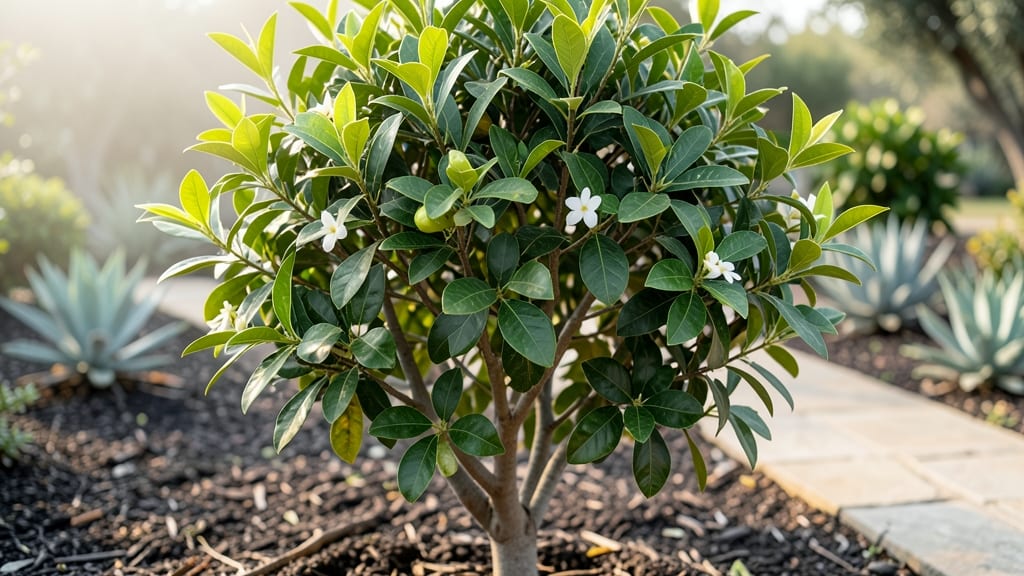
Sitaphal tree leaves are the secret weapon behind that shockingly lush canopy and abundant fruit harvest. 🌿 I’ve learned the hard way that healthy leaves mean bigger, sweeter fruits—and the key isn’t just watering. It’s about soil, sunlight, and knowing exactly when to prune for maximum growth.
The tree thrives in well-draining soil with a touch of compost, and it loves morning sun but tolerates afternoon shade in hot climates. Prune wisely in late winter to encourage new leaf growth, and watch as those broad, glossy leaves turn into a fruit-bearing powerhouse.
Even the fallen leaves have uses—mulch them for next season’s soil boost.
You’ll notice fewer pests and stronger branches when you keep the leaves healthy, and the fruits? They’ll be bigger, juicier, and more plentiful than you’ve ever seen. The leaves themselves can even repel insects—just crush a few and sprinkle around the base.
This isn’t just about growing a tree; it’s about unlocking its full potential.
📚 In This Guide
- What you need
- Instructions
- Tips and common mistakes
- Wrapping up and next steps
What you need
- ● Fresh Sitaphal tree leaves: 5–10 healthy, disease-free leaves (harvest from mature branches for best results).
- ● Organic compost or leaf mold: 2–3 cups (rich in nutrients like nitrogen and potassium).
- ● Well-draining potting mix: 1–2 bags (blend garden soil with perlite or coconut coir for aeration).
- ● Watering can or hose: With a fine mist nozzle for gentle hydration.
- ● Pruning shears: Sterilized (rubbing alcohol wipe) to avoid spreading pathogens.
- ○ Gloves (optional but recommended): Protects hands from thorns or sap.
- ○ Spray bottle: For misting leaves during propagation (optional).
- ● pH testing kit: Ensures soil pH is 6.0–7.0 (ideal for Sitaphal trees).
- ○ Shade cloth (optional): 30–50% coverage for young cuttings.
- ● 🌡️ Timing: Harvest leaves in early morning (highest moisture content).
- ● ✨ Storage: Keep leaves in a paper bag in the fridge for up to 3 days if not using immediately.
- ● 🔥 Soil Boost: Mix in 1 tbsp of neem cake per pot to deter pests naturally.
Step-by-Step instructions for cultivating a fruitful sitaphal tree
Here's the proven method I've used to keep my sitaphal tree thriving year-round.
🌱 Step 1: Select and Prepare the Planting Site
Sitaphal trees need full sun exposure—at least 6-8 hours daily—to produce abundant fruit. I always choose a location with well-draining soil, as these trees hate soggy roots. If your yard has heavy clay, amend the soil with 3-4 inches of compost mixed into the top 12 inches of soil before planting.
Dig a hole twice as wide as the root ball but only as deep as the container's base. This encourages roots to spread horizontally rather than settling too deep. Gently loosen the roots if they're circling the container—this prevents root-bound stress. Water the hole thoroughly before placing the tree inside.
☀️ Step 2: Establish Proper Watering and Fertilization Routine
Newly planted sitaphal trees need deep watering twice weekly during the first year, ensuring the soil stays moist but not waterlogged. You'll know it's right when the top 2 inches of soil feel damp—any deeper and you risk drowning the roots. After the first year, reduce to once weekly unless your area experiences extreme heat or drought.
Fertilize with a balanced 10-10-10 formula in early spring and again in midsummer. I apply ½ cup per year of tree age (up to 1 cup max) around the drip line, not the trunk. For example, a 3-year-old tree gets 1.5 cups spread evenly in a 3-foot radius. Avoid high-nitrogen fertilizers—they promote leafy growth at the expense of fruit production.
✂️ Step 3: Prune for Airflow and Fruit Production
Prune in late winter or early spring before new growth begins. Remove any dead, diseased, or crossing branches first—these compete for energy and can harbor pests. I always cut back to the nearest outward-facing bud to encourage new growth. For a mature tree, aim to maintain an open canopy with sunlight reaching the inner branches.
Thin out overcrowded fruit clusters to 3-4 fruits per branch—this ensures the remaining sitaphal develop fully. You'll see the difference immediately: fewer but larger, sweeter fruits. Avoid heavy pruning in summer, as the tree needs all its energy for fruit development.
🪴 Step 4: Protect and Maintain Through Seasons
In winter, mulch the base with 2-3 inches of organic mulch (like wood chips) to insulate roots from freezing temperatures. Keep the mulch 6 inches away from the trunk to prevent rot. If your winters drop below 20°F, wrap the trunk with burlap or tree wrap to shield it from harsh winds and frost cracks.
Watch for aphids or scale insects on new growth—these sap-suckers weaken the tree. Spray with neem oil solution (1 tablespoon per quart of water) if you spot sticky residue on leaves. Healthy leaves should be deep green and glossy—yellowing or curling signals overwatering, underwatering, or nutrient deficiency.
🍎 Step 5: Harvest and Encourage Next Year's Growth
Sitaphal fruits ripen in late summer to early fall, turning from green to yellow. Gently twist the fruit to detach it—if it resists, it's not ready. Harvest in the morning when sugars are highest. Store unripe fruits at room temperature until they soften, then refrigerate for up to 2 weeks. Ripe fruits keep best at 50-55°F for 5-7 days.
After harvest, apply a potassium-rich fertilizer (like 0-0-50) to replenish nutrients. I also top-dress with compost to improve soil structure. This prepares the tree for dormancy and ensures strong root growth for next season's fruit production.
Tips & tricks for cultivating a fruitful sitaphal tree
Real talk: The difference between a struggling sitaphal tree and one bursting with fruit comes down to these often-overlooked details.
Sunlight Secret: That 6-8 hours of daily sun isn't just a suggestion—it's non-negotiable. I've seen trees in partial shade produce half the fruit because the leaves don't get enough energy for photosynthesis. If your yard has afternoon shade, consider planting near a south-facing wall that reflects sunlight back onto the tree. Morning sun is great, but afternoon light is what really makes those fruits sweet.
Root Development Strategy: When you dig that hole twice as wide as the root ball in Step 1, you're not just making space—you're creating a horizontal growth zone. This encourages roots to spread outward where they can access more nutrients and water. I've seen trees with compacted roots struggle even with perfect care, so don't skip this widening step. After planting, gently press the surrounding soil to eliminate air pockets that could suffocate roots.
Watering Wisdom: The twice-weekly deep watering during the first year isn't about frequency—it's about saturation. You want that top 2 inches of soil damp, not soggy. I use a moisture meter to check because visual cues can be deceiving, especially in clay soils. In extreme heat, you might need to water every other day, but always check that soil moisture first. Overwatering is the #1 killer of young sitaphal trees.
Pruning Precision: That 3-4 fruits per branch guideline in Step 3 might seem excessive, but trust me on this—it works. I've had trees with 10+ fruits on a branch where only 3 made it to maturity. The others stayed small and sour. When you thin, look for fruits that are evenly spaced and have good air circulation around them. This reduces disease risk and lets each fruit get maximum sunlight for sweetness development.
Pro Tips for Sitaphal Tree Leaves
- Real talk: The difference between a struggling sitaphal tree and one bursting with fruit comes down to these often-overlooked details.
- Sunlight Secret: That 6-8 hours of daily sun isn't just a suggestion—it's non-negotiable.
- Root Development Strategy: When you dig that hole twice as wide as the root ball in Step 1, you're not just making space—you're creating a horizontal growth zone.
Frequently asked questions
Got questions about growing and harvesting sitaphal tree leaves? You’re not alone! Here are some of the most common queries—plus quick, actionable answers to keep your tree thriving year-round.
When is the best time to harvest sitaphal leaves for maximum growth?
The best time to harvest leaves is during the monsoon season (June–September) or early spring (February–March). Avoid heavy pruning during winter, as the tree enters dormancy. Harvest only 20–30% of the foliage at a time to avoid stressing the plant. Pro tip: Early morning harvests yield fresher leaves with higher nutrient content!
How do I prevent yellowing or wilting after pruning?
Yellowing or wilting often happens due to over-pruning, poor hydration, or fungal stress. To fix it:
- Water the tree deeply 2–3 days before and after pruning.
- Apply a balanced fertilizer (10-10-10) 2 weeks post-harvest.
- Avoid pruning during hot afternoons or droughts.
- Prune with sterilized shears to prevent disease.
Can I use sitaphal leaves as mulch? Are there alternatives?
Yes! Sitaphal leaves make excellent mulch—they decompose slowly, retain moisture, and enrich soil with nutrients like potassium and magnesium. Alternatives:
- Dried neem or mahogany leaves (pest-repellent).
- Grass clippings or straw (fast-decomposing).
- Banana peels or coffee grounds (nitrogen-rich).
How often should I fertilize sitaphal trees for leafy growth?
Fertilize sitaphal trees every 2–3 months during the growing season (spring–fall). Use a balanced fertilizer (e.g., 12-12-17) or organic options like:
- Compost tea (monthly).
- Crushed eggshells (calcium boost).
- Vermicompost (slow-release nutrients).
What pests or diseases should I watch for in sitaphal leaves?
Common issues include:
- Scale insects or aphids (sticky residue on leaves). Fix: Spray neem oil or introduce ladybugs.
- Powdery mildew (white patches). Fix: Prune airflow, apply sulfur spray.
- Leaf curl virus (symptoms: twisted, yellow leaves). Fix: Remove infected branches; use resistant grafts.
Wrapping up and next steps
Harnessing the power of sitaphal tree leaves can transform your garden into a thriving, year-round fruit haven! 🌿 From pruning tips to natural pest control, these leaves offer a sustainable way to boost growth and productivity.
Whether you're a seasoned gardener or just starting, the key is consistency—monitor your tree, adapt techniques, and enjoy the rewards of your hard work.
Ready to take action? Start small—try one hack this season, track your progress, and watch your sitaphal tree flourish! 🌱 Your future harvests will thank you.