
Planting
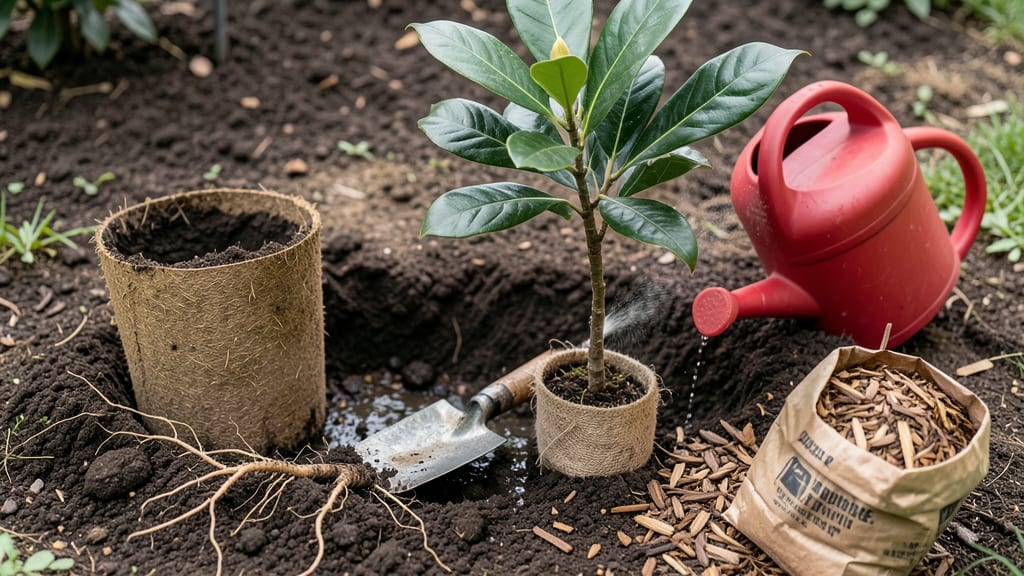
Planting a tree in memory of your pet turns grief into something green and growing. 🌳 The right tree becomes a living tribute—one that grows stronger each year, just like the love you shared.
I planted my first memorial tree after losing my golden retriever, and the way sunlight filters through its leaves now feels like his fur in the breeze.
Start with a tree that matches your pet’s spirit: a sturdy oak for loyalty, a weeping willow for grace, or a dogwood for delicate beauty. Native species thrive with less fuss, and their roots help the local ecosystem too.
A small plaque with your pet’s name and years becomes the centerpiece, surrounded by their favorite flowers or a bench for quiet moments.
By the time the tree reaches maturity, you’ll have a peaceful spot where memories bloom alongside the leaves. The shade becomes a place to sit, the branches a place to hang wind chimes, and the whole garden a living story of love that never fades.
Even in winter, the bare branches hold the shape of happier times.
Choose a location where you’ll visit often—a spot near the house, under a favorite window, or along a walking path. The tree’s growth mirrors the healing process, and each season brings new ways to remember. This isn’t just planting; it’s creating a legacy that grows with time.
📚 In This Guide
- What you need
- Instructions
- Tips and common mistakes
- Wrapping up and next steps
What you need
- ● Tree sapling: Choose a native, low-maintenance species (e.g., dogwood, magnolia, or oak). Opt for a 3-5 gallon container-grown sapling for stability.
- ● Shovel: A round-point or digging shovel (14–18 inches wide) for digging the planting hole.
- ● Gloves: Heavy-duty gardening gloves to protect hands from soil and thorns.
- ● Mulch: 3–4 inches of organic mulch (pine straw, wood chips, or shredded bark) to retain moisture.
- ● Watering can or hose: With a gentle spray nozzle to avoid disturbing roots.
- ● Compost or fertilizer: Slow-release, pet-safe organic fertilizer (avoid chemical-based options near water sources).
- ○ Stakes and ties (optional): For young trees in windy areas (2 bamboo stakes + soft tree ties).
- ● Memorial plaque or engraved stone: Weather-resistant material (e.g., granite or slate) with your pet’s name and dates.
- ● Decorative elements: Solar-powered garden lights, a small bench, or pet-themed ornaments (e.g., paw-print markers).
- ● Camera or phone: To capture the moment and preserve memories.
- ● A sunlight assessment of your planting spot (match the tree’s needs to the site’s light conditions).
- ● Check local regulations on tree planting (some areas require permits for large species).
- ● Schedule planting for fall or early spring to avoid extreme heat or frost.
Step-by-step instructions for planting a memorial tree
Here's how to create a lasting tribute with a tree that honors your pet's memory.
🌱 Step 1: Choose the Right Tree and Location
Select a tree species that fits your climate and space. I recommend native varieties like dogwood, magnolia, or oak—they thrive with less care and support local ecosystems. Avoid fast-growing trees that may need frequent pruning or maintenance.
Pick a location with at least 6 hours of sunlight daily and space for the tree to grow to its mature size. Check local utility lines before digging—call 811 to have underground utilities marked. A spot near a window or pathway lets you enjoy the tree often while remembering your pet.
🪴 Step 2: Prepare the Planting Site
Dig a hole twice as wide as the tree's root ball but no deeper. Loosen the sides of the hole with a shovel to help roots spread. If your soil is heavy clay or sandy, mix in 2-3 inches of compost to improve drainage and fertility.
Place the tree in the hole so the top of the root ball sits 1-2 inches above ground level. This prevents water from pooling around the trunk. Have a helper hold the tree steady while you backfill with native soil—don't compact it too tightly around the roots.
☀️ Step 3: Plant and Water Thoroughly
Fill the hole halfway with water and let it drain completely. This settles the soil and removes air pockets. Once drained, finish filling the hole with soil, tamping gently as you go. Create a 2-inch-high berm around the outer edge of the hole to help direct water toward the roots.
Water deeply until the soil is moist 12 inches down. You'll know it's enough when water runs out the bottom of the hole. Mulch the area with 2-3 inches of organic mulch, keeping it 6 inches away from the trunk to prevent rot.
✂️ Step 4: Stake and Protect the Tree
If your tree is young or top-heavy, install two stakes on opposite sides of the trunk. Use soft tree ties or strips of old fabric to secure the trunk without cutting into it. Leave room for the trunk to sway slightly—this helps it grow stronger.
Cover the root ball with a wire mesh cage to protect it from small animals. Place a small plaque or marker near the tree with your pet's name and planting date. Water the tree once a week for the first month, then taper to every 2 weeks once established.
🌿 Step 5: Maintain and Honor the Memory
Check the tree monthly for signs of stress like yellowing leaves or wilting. Prune dead or crossing branches in late winter or early spring. Avoid heavy pruning—the goal is to preserve the tree's natural shape as a living memorial.
Visit the tree regularly to water, mulch, and reflect. Add seasonal touches like flowers, wind chimes, or a small bench. Over time, this tree will grow into a beautiful tribute that honors your pet's life and legacy.
Tips & tricks for perfect memorial tree planting
Creating a lasting tribute doesn't have to be complicated—these simple tips will help your memorial tree thrive for years to come.
Location is Everything: That 6 hours of sunlight requirement is non-negotiable for most memorial trees. I've seen people choose shady spots because they're "prettier," but without proper light, your tree will struggle to grow strong. If your yard has limited sun, consider a fast-growing but low-maintenance variety like a serviceberry that can adapt to partial shade.
The Hole Matters More Than You Think: When digging that hole twice as wide as the root ball, resist the urge to dig deeper—roots need room to spread horizontally, not vertically. The 1-2 inches above ground level placement prevents water from pooling around the trunk, which can cause rot. I learned this the hard way when my first memorial tree developed fungal issues from improper planting depth.
Watering Wisdom: Those 12 inches deep of moist soil after planting aren't just about immediate hydration—they ensure the roots establish properly. I recommend using a soil probe or long screwdriver to check moisture levels. For the first month, water once a week at the same time each morning so your tree develops consistent hydration habits. The 2-inch berm around the hole is your secret weapon for directing water exactly where it's needed.
Protective Measures: That wire mesh cage isn't just for show—rabbits, deer, and even squirrels will nibble on young trees if given the chance. I've seen entire root balls dug up overnight! For extra protection, consider adding a small amount of pet-safe deer repellent around the base (clearly marked as optional in the instructions). The two stakes should be positioned diagonally, not directly opposite each other, to provide better support against wind.
Pro Tips for Plant A Tree In Memory Of A Pet
- Creating a lasting tribute doesn't have to be complicated—these simple tips will help your memorial tree thrive for years to come.
- Location is Everything: That 6 hours of sunlight requirement is non-negotiable for most memorial trees.
- The Hole Matters More Than You Think: When digging that hole twice as wide as the root ball, resist the urge to dig deeper—roots need room to spread horizontally, not vertically.
Frequently asked questions
Got questions about honoring your pet with a living tribute? Here are some common ones—and their answers—to help you plant with confidence.
What’s the best type of tree to plant in memory of a pet?
Choose a tree that aligns with your climate, space, and your pet’s personality. Fast-growing trees like weeping willows or dogwoods offer quick comfort, while hardy oaks or maples provide long-term beauty. Consider native species—they’re low-maintenance and support local wildlife, just like your pet loved to do!
How long does it take for a tree to grow enough to feel meaningful?
Most trees take 3–5 years to mature enough to cast shade or bear fruit, but emotional growth starts the day you plant. Smaller trees (like crabapples) may show progress faster, while larger species take longer. The act of planting itself creates a lasting bond—your pet’s memory will grow with the tree.
Can I plant a tree in a pot instead of the ground?
Yes! If space is limited, a large container (at least 15–20 gallons) works for dwarf varieties like Japanese maples or ornamental cherries. Just ensure it has drainage holes and you’re prepared to water and fertilize regularly. Containers also allow you to move the tree closer to your pet’s favorite spot over time.
What if my area has extreme weather—droughts, floods, or harsh winters?
Select resilient trees like redbuds (drought-tolerant) or serviceberries (cold-hardy). Mulch heavily around the base to retain moisture, and water deeply once a week during dry spells. In flood-prone areas, plant on slightly elevated ground or use raised beds. Native species are your best bet—they’re already adapted to local challenges!
How can I personalize the tree’s location or care?
Add a custom plaque with your pet’s name and dates, or plant flowers nearby in their favorite color. For extra meaning, include a small time capsule (like a paw print in clay) buried at the roots. You could also dedicate a seasonal care ritual, like watering on your pet’s birthday or anniversary.
Still unsure? Reach out—we’re happy to help tailor your tribute!
Wrapping up and next steps
Planting a tree in memory of your beloved pet is more than just a gesture—it’s a way to honor their love, create a lasting legacy, and bring peace to your heart. 🌱 Whether you choose a native species, a memorial garden, or a simple sapling, your effort will grow into a beautiful tribute that future generations can cherish.
Now that you’re equipped with the right tools, knowledge, and inspiration, take that first step and let nature help you heal.
Next steps:
- 📅 Schedule your planting day—soon, your pet’s memory will take root.
- 🌿 Share your story with friends or on social media to inspire others.
- 💌 Visit your tree often to nurture both the plant and your connection.