
Pruning
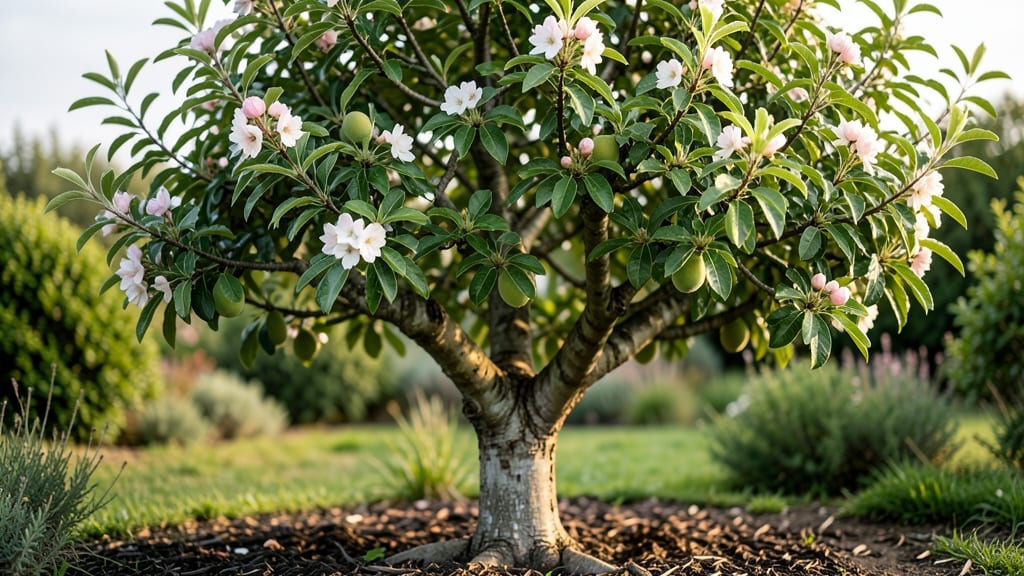
Growing peach trees in Missouri requires selecting cold-hardy varieties like Reliance, Redhaven, or Contender that withstand the state's extreme temperature swings while delivering delicious fruit. Focus on proper planting, full-sun exposure, and regular pruning for best results.
Missouri's climate—with its brutal winters and scorching summers—demands peach varieties that can handle both extremes. 🌳 The Reliance variety stands out for its ability to survive temperatures down to -20°F, making it ideal for northern Missouri gardens.
Meanwhile, Redhaven peaches offer that classic sweet-tart flavor Missourians love, while Contender trees produce consistently heavy yields even in less-than-perfect conditions. The key to success isn't just choosing the right variety—it's also mimicking their natural growing conditions by planting in well-draining soil and providing afternoon shade during peak summer heat.
What sets Missouri peach cultivation apart is the need for strategic frost protection. Young trees benefit from wrapping their trunks in burlap during winter, while mature trees often require row covers during late spring blooming to prevent frost damage to developing fruit.
I've found that pruning in late winter—before buds swell—helps direct energy toward fruit production rather than excessive leaf growth, which is especially critical in Missouri's humid summers that can promote fungal diseases.
💡 In This Article
- Best Cold-Hardy Peach Tree Varieties for Missouri Gardens
- Planting and Care Tips for Missouri Peach Trees
Best cold-hardy peach tree varieties for Missouri gardens
Missouri's climate—with winter lows dipping below -20°F in some regions and summer heat exceeding 100°F—requires peach varieties that can endure both extremes.
The Reliance peach tree leads the pack with its exceptional cold hardiness, surviving temperatures as low as -20°F without damage, making it perfect for northern Missouri's Zone 5-6 areas. Its fruit ripens in mid-July, offering an early harvest when other varieties might still be struggling with late frosts.
The skin stays firm even when fully ripe, making it ideal for fresh eating and shipping.
For those craving classic Missouri peach flavor, the Redhaven variety delivers that signature sweet-tart balance with a deep red blush that signals peak ripeness. This variety thrives in Zones 5-9 and produces fruit that's both juicy and firm enough to hold up in pies or canning.
What sets Redhaven apart is its consistent performance—it handles Missouri's humid summers better than many varieties, though it does require careful water management to prevent cracking during rapid growth spurts. The fruit typically matures in late July to early August, aligning perfectly with Missouri's peak peach season.
The Contender peach tree earns its name through sheer productivity, often yielding 20-30% more fruit than standard varieties when given proper care. Its cold tolerance reaches -15°F, making it suitable for most of Missouri except the northernmost regions.
The tree's compact growth habit (typically 12-15 feet tall) makes it ideal for smaller gardens, while its disease resistance reduces the need for chemical treatments that can harm beneficial insects. The fruit shares Redhaven's flavor profile but with a slightly earlier maturity window.
When selecting varieties, consider Missouri's microclimates—northern areas benefit from Reliance's extreme cold tolerance, while central and southern regions can handle Redhaven or Contender. All three varieties share a key advantage: their resistance to peach leaf curl, a fungal disease that thrives in Missouri's wet springs.
This resistance means less chemical intervention and more energy directed toward fruit production. The trade-off? These varieties may produce slightly smaller fruit than commercial varieties, but the flavor and reliability make up for it.
For visual identification, look for these distinguishing traits: Reliance peaches have a yellow background with red streaks, Redhaven's are deep red with a yellow blush, and Contender's resemble Redhaven but with slightly more pronounced red coloring.
The skin texture varies too—Reliance's is slightly fuzzy, while Redhaven's is smooth but firm. These visual cues help gardeners quickly identify ripeness and variety when standing in their orchard. 🌸