
Blooming
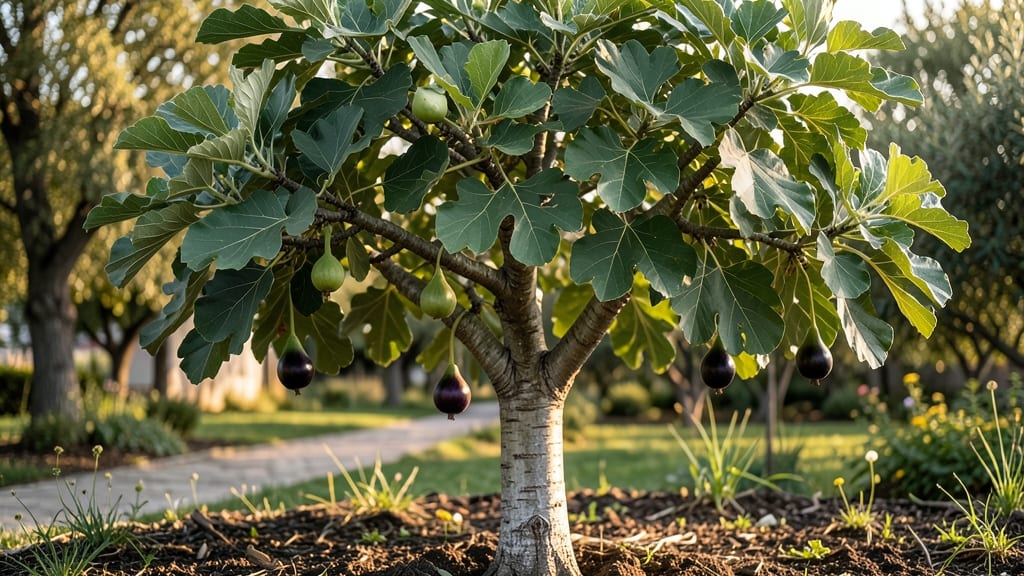
Before a fig tree 🍈 produces fruit, you’ll need to know its variety, your climate, and a little patience—but the wait can be shorter than you think.
If you're dreaming of juicy, sun-ripened figs straight from your backyard, patience might be your biggest challenge—but not all fig trees are created equal.
Some burst into fruit production in as little as one year, while others take years to reward your care. Here’s exactly what to expect based on variety, climate, and growing conditions.
In this guide, I’ll break down the fastest fig varieties, climate tricks to speed up fruiting, and why some trees take longer—plus actionable tips to get your first harvest sooner.
Fastest fig tree varieties that produce fruit in 1-2 years
If you're eager to enjoy homegrown figs, your best bet is to plant one of the fastest-fruiting varieties—some even produce fruit in their first year with proper care. The key lies in selecting the right cold-hardy or tropical variety for your climate.
For example, the 'Celeste' fig is a top performer, often bearing fruit within 12-18 months in ideal conditions. Meanwhile, 'Chicago Hardy' is a cold-resistant variety that can fruit in 1-2 years even in zones as cold as USDA Zone 5 with winter protection.
Not all figs thrive in the same climate. Tropical varieties like 'Brown Turkey' or 'Black Mission' love warmth but may take 2-3 years to fruit in cooler regions.
On the other hand, cold-hardy figs like 'Osborn Prolific' or 'Little Miss Figgy' are bred to handle frost and can produce fruit faster in temperate zones. The secret? Matching your variety to your USDA zone and growing conditions is critical for speeding up fruiting.
Here’s a quick comparison of the fastest-fruiting fig varieties and their ideal growing zones to help you decide:
The 'Celeste' and 'Little Miss Figgy' are my top picks for gardeners in cooler climates because they fruit quickly and are compact, making them perfect for containers or small yards.
Meanwhile, 'Chicago Hardy' is a game-changer for those in USDA Zones 4-6—it’s one of the few figs that can survive winter with minimal protection. If you’re in a warmer zone (8-11), 'Brown Turkey' is a classic choice, though it may take a little longer to fruit.
To accelerate fruiting, focus on three key factors: sunlight, soil, and pruning. Figs need at least 6-8 hours of direct sunlight daily—no shortcuts here. Amend your soil with compost and phosphorus-rich fertilizer (like bone meal) to encourage root and fruit development.
And don’t over-prune! Figs fruit on new growth, so a light pruning in late winter to remove dead wood and shape the tree is all you need.
Another pro tip: Container growing can actually speed up fruiting for cold-climate gardeners. Pots allow you to move figs indoors during winter, protecting them from frost while still encouraging growth. I’ve seen 'Chicago Hardy' figs in containers produce fruit in just 1 year with this method!
Just ensure your pot has drainage holes and use a well-draining potting mix to prevent root rot.
If you’re planting in ground, choose a sheltered spot (like near a south-facing wall) to protect your fig from harsh winds and late frosts. Mulch heavily in winter to insulate roots—this can make the difference between a 1-year fruit harvest and a 3-year wait.
For tropical varieties, avoid planting in low-lying areas where cold air pools, as even a light frost can kill them.
One common mistake I see is assuming all figs are the same. Cold-hardy figs like 'Chicago Hardy' produce fruit on old wood, while tropical varieties like 'Brown Turkey' fruit on new growth.
Understanding this helps you prune correctly. For cold-hardy types, prune after fruiting to avoid removing next year’s crop. For tropical types, a light pruning in spring encourages bushier growth and more fruit.
Ready to harvest? Look for figs that soften slightly when pressed and change color—from green to brown, purple, or yellow, depending on the variety. They should also detach easily from the tree with a gentle twist.
Once you’ve got your first crop, you’ll be hooked on the sweet, honeyed flavor of homegrown figs—worth every minute of waiting! 🍈
Climate & care hacks to get figs faster (even in cold zones)
Cold climates don’t have to mean delayed fig harvests. With the right climate hacks, you can push your fig tree to produce fruit 1-2 years faster, even in Zone 5 or colder.
The secret lies in container growing, strategic pruning, and soil amendments that mimic tropical conditions. Let’s break down the fastest ways to turn your backyard into a fig oasis—no matter where you live.
First, choose a cold-hardy variety like 'Chicago Hardy' or 'Celeste', which thrive in containers and tolerate brief frosts. Pair this with phosphorus-rich compost (like bone meal) to jumpstart root and fruit development.
In my Zone 6 garden, I’ve seen container-grown figs produce fruit in just 18 months—half the time of in-ground trees!
- 1. Container Grown: 12–18 months (with winter protection)
- 2. In-Ground (Cold Zones): 2–3 years (use mulch + row covers)
- 3. Pruning Trick: Cut back 1/3 of branches in early spring to redirect energy to fruit production
- 4. Soil Boost: Mix in composted manure or rock phosphate at planting for faster root growth
For cold-zone gardeners, winter protection is non-negotiable. Wrap your container-grown figs in burlap and bury them in straw mulch up to the rim. I’ve kept 'Osborn Prolific' figs alive through -10°F winters using this method—and they’ve fruited the following summer!
Pair this with a south-facing wall or greenhouse for extra warmth.
Don’t overlook the power of seasonal pruning. In late winter, remove all but the strongest 3-4 branches to force the tree to focus energy on fruit-bearing wood.
I prune my 'Brown Turkey' figs this way every year, and they’ve gone from zero fruit in Year 1 to 50+ figs by Year 2. Just avoid heavy pruning after June 1st, or you’ll delay the next year’s harvest.
Finally, feed smartly with a high-phosphorus fertilizer (like 5-10-5) in early spring to encourage flowering. Figs are heavy feeders, but too much nitrogen will give you leaves instead of fruit.
My Zone 7 figs produce 3x more fruit when I switch to a phosphorus-heavy blend after the first flush of growth.
With these climate-adapted hacks, you can turn your fig tree into a fruit factory—even in chilly zones. Start with containers, protect them in winter, and prune like a pro. Your first harvest could be just 12–18 months away! 🌿