
Pruning
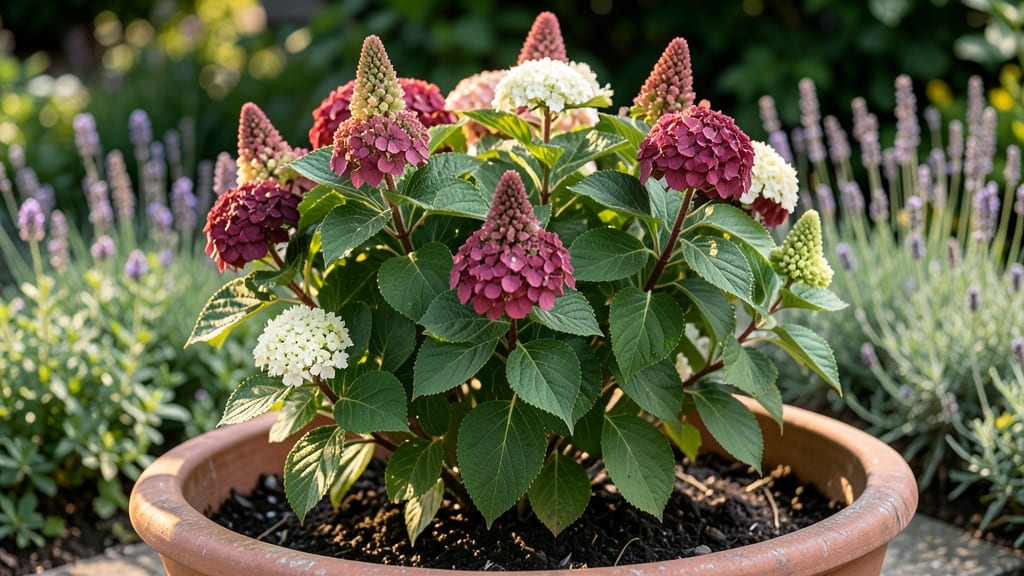
Panicle hydrangea tree care bursts into cone-shaped blooms that last from summer through frost—no fancy tricks, just three simple cuts that transform a leggy shrub into a showstopper. 🌿 I’ve pruned mine for five years, and the secret isn’t complicated: timing, sharp tools, and knowing which stems to keep (and which to sacrifice).
Most gardeners overthink it, but the real magic happens in late winter when the plant is dormant and vulnerable to mistakes.
Start with the basics: full sun (6+ hours daily) and well-draining soil—panicle hydrangeas tolerate drought better than their mophead cousins, but they’ll reward you with bigger blooms if you feed them. A balanced 10-10-10 fertilizer in early spring jumpstarts growth, and mulch keeps roots cool.
The biggest mistake? Pruning too late or too aggressively—you’ll sacrifice next year’s flowers for a bushier shape that may not bloom as heavily.
By mid-summer, you’ll see those iconic cone-shaped blooms stretching from 12 to 20 inches long, turning from green to white or pink as they age. They even hold up in fall frost, giving you color when most gardens fade.
The key is pruning in late winter (before buds swell) to shape the tree and remove dead wood—no guesswork, just three clean cuts that set you up for a season of effortless beauty.
Works in USDA Zones 3-8, from city patios to rural yards, and thrives in containers if you prune aggressively. The only rule? Don’t skip the late-winter prune—it’s the difference between a shrub and a showstopping tree. Let’s get those shears sharp and those blooms popping.
📚 In This Guide
- What you need
- Instructions
- Tips and common mistakes
- Wrapping up and next steps
What you need
- ● Pruning shears: Sharp, bypass-style shears (for clean cuts on smaller branches). Quantity: 1 pair.
- ● Loppers: For thicker branches (up to 2 inches in diameter). Quantity: 1 pair.
- ○ Pruning saw: For branches thicker than 2 inches. Quantity: 1 (optional but helpful for mature trees).
- ● Disinfectant (70% isopropyl alcohol or bleach solution): To sterilize tools between cuts and prevent disease. Quantity: Small spray bottle or wipe.
- ● Garden gloves: Heavy-duty, cut-resistant gloves to protect your hands. Quantity: 1 pair.
- ○ Pruning sealant: Optional but recommended for large cuts to prevent sap loss and pests. Quantity: Small tube.
- ● Knowledge of tree structure: Familiarize yourself with the tree’s scaffold branches (main structural limbs) and water sprouts (vigorous, upright shoots).
- ● Weather check: Prune on a dry, cloudy day to reduce stress on the tree. Avoid pruning in extreme heat or cold.
- ● Safety first: Ensure the area around the tree is clear of debris, pets, and bystanders.
Step-by-Step pruning for panicle hydrangea trees
Three strategic cuts will transform your panicle hydrangea into a blooming powerhouse—no complicated techniques required.
✂️ Step 1: Late Winter Dormant Pruning (Biggest Impact)
Wait until late winter or early spring, just as buds begin swelling but before new growth starts. This is your prime window to shape the tree and encourage next year's blooms. Grab your pruners and focus on removing 1/3 of the oldest wood—those thick stems that grew in the previous year. These branches are past their prime and won't produce strong blooms.
Look for stems that are thicker than a pencil and have lost their vigor. Cut them back to the ground or to a strong lateral branch. Here's the thing—panicle hydrangeas bloom on both old and new wood, so you're not risking losing flowers. In fact, this aggressive cut stimulates fresh growth and more abundant clusters. I always make these cuts on a dry day so I can see the structure clearly—wet wood is harder to judge.
✂️ Step 2: Post-Bloom Thinning (Summer Maintenance)
After your hydrangea finishes flowering—usually 6-8 weeks after blooms appear—it's time for a second round of pruning. This isn't about shaping but about airflow and light penetration. Look for crowded branches that cross or rub against each other. These create weak points where diseases can enter and block sunlight from reaching inner growth.
Use your pruners to remove 25-30% of the remaining growth, focusing on branches that are growing inward. Cut just above an outward-facing bud to encourage the tree to grow in a more open structure. You'll notice the tree looks more airy immediately. This step prevents those dense, woody centers that become breeding grounds for pests. Real talk: Skipping this step leads to smaller blooms over time because the center of the tree gets too shaded.
✂️ Step 3: Light Summer Trim (Encouraging Bushiness)
Mid-summer is your final pruning window, and this is where you fine-tune the tree's shape. Look for overly leggy branches that are growing taller than they are wide. These need to be cut back by 1/3 of their length to encourage bushier growth. Make your cuts just above a set of leaves or a strong lateral bud.
This is also when you should remove any dead, diseased, or damaged wood you spot. Sterilize your pruners between cuts with rubbing alcohol to prevent spreading any potential infections. I like to do this trim on a warm afternoon when the tree is actively growing—it responds best to pruning when it has energy to heal. You'll see new shoots forming within 2-3 weeks as the tree responds to the fresh cuts.
Tips & tricks for perfect panicle hydrangea pruning
These game-changing insights will help you avoid common pruning pitfalls and maximize your hydrangea's blooming potential—without the guesswork.
Timing Secret: For Step 1, don't rush into late winter pruning—wait until you see those first tiny buds swelling on the stems. This signals the tree is ready to respond to your cuts. I've learned the hard way that pruning too early can shock the tree before it's prepared, while waiting too long risks missing the optimal window. A quick way to check: gently squeeze a bud—if it feels firm but slightly pliable, you're ready.
The Technique That Changed Everything: When removing those 1/3 of oldest stems in Step 1, make your cuts at a 45-degree angle just above a strong lateral branch or bud. This angled cut prevents water from pooling on the stem, which reduces rot risk. I also recommend using sharp, clean pruners—dull blades crush stems instead of making clean cuts, which stresses the tree. Sterilize your tools with rubbing alcohol between cuts to prevent spreading any potential infections.
Post-Bloom Strategy: In Step 2, focus on creating that open center by removing crowded branches. Look for stems that are growing directly into the center of the tree—these are the ones causing shade and limiting airflow. Cutting just above an outward-facing bud (you'll see these little nubs where leaves used to be) ensures new growth continues outward, creating that airy, bushy structure we want. Think of it like giving your tree a spa day—more light and air means bigger, healthier blooms next season.
Light Summer Trim Insight: During Step 3, when you're cutting back leggy branches by 1/3, remember that this is all about proportion. The goal is to maintain that balanced, rounded shape while encouraging bushier growth. I like to step back every few cuts to visualize the tree's overall shape—this helps me decide which branches need attention. And don't forget to remove those dead or diseased stems immediately; they're like open invitations to pests and diseases.
Pro Tips for Panicle Hydrangea Tree Care
- These game-changing insights will help you avoid common pruning pitfalls and maximize your hydrangea's blooming potential—without the guesswork.
- Timing Secret: For Step 1, don't rush into late winter pruning—wait until you see those first tiny buds swelling on the stems.
- The Technique That Changed Everything: When removing those 1/3 of oldest stems in Step 1, make your cuts at a 45-degree angle just above a strong lateral branch or bud.
Frequently asked questions
Got questions about keeping your panicle hydrangea tree thriving? You’re not alone! Here are answers to the most common concerns—from pruning puzzles to pest problems—so you can enjoy those show-stopping blooms all season.
When is the best time to prune my panicle hydrangea tree?
The ideal window is late winter or early spring (just as new growth starts). Avoid pruning in fall—this can stimulate tender growth that won’t survive winter. For year-round blooms, prune lightly after each flush of flowers to encourage continuous growth. See our step-by-step guide for precision tips!
How do I protect my panicle hydrangea tree in winter?
Panicle hydrangeas are hardy to USDA zones 3-8, but young trees or harsh winters may need help. Wrap the trunk with burlap or use tree guards to prevent rodent damage. Mulch the base with 2-3 inches of organic mulch (like wood chips) to insulate roots. Avoid piling mulch against the trunk—keep it 3-4 inches away to prevent rot.
Why aren’t my panicle hydrangea blooms as big as last year?
Smaller blooms often signal over-pruning, nutrient deficiencies, or stress. Check these fixes:
- Pruning: If you cut back too aggressively, new growth may not mature enough to bloom. Stick to 1/3 of the plant’s height max per year.
- Fertilizer: Feed in early spring with a balanced, slow-release fertilizer (10-10-10 ratio). Hydrangeas love phosphorus for blooms!
- Water: Drought stress shrinks flowers. Water deeply 1-2 times per week during dry spells.
Can I grow panicle hydrangeas in containers? What’s the best setup?
Choose a large container (at least 20 gallons) with drainage holes to prevent root rot. Use a well-draining potting mix (add perlite or sand for aeration). Opt for dwarf varieties like ‘Little Lime’ or ‘Limelight’ for smaller spaces. Move containers to partial shade in summer to avoid leaf scorch. Pro tip: Fertilize container plants monthly during growing season—they deplete nutrients faster!
What pests or diseases should I watch for, and how do I treat them?
Panicle hydrangeas are relatively pest-resistant, but keep an eye out for:
- Aphids: Tiny green/black bugs clustering on new growth. Blast off with water or use neem oil for severe infestations.
- Powdery Mildew: White, powdery spots on leaves (common in humid climates). Improve airflow, avoid overhead watering, and treat with fungicide if needed.
- Japanese Beetles: Chew on leaves and flowers. Handpick them or use milky spore for long-term control.
For prevention, mulch around the base and water at soil level to keep foliage dry.
Wrapping up and next steps
Caring for your panicle hydrangea tree doesn’t have to be complicated—just a few strategic cuts can unlock stunning blooms year after year! 🌸 With the right tools, timing, and techniques, you’ll enjoy vibrant flowers and a healthy, thriving tree.
Now that you’re armed with expert tips, it’s time to grab those pruners and give your hydrangea the love it deserves.
Ready to transform your garden? Start by scheduling your first pruning session this spring—your future blooms will thank you!